
Human-Centered Building Performance Consultant
Integrated Experience. Multidisciplinary Expertise.
We help project owners, architects, designers, consultants and contractors projects perform better through integrated multi-disciplinary building physics and building technology design.
Align with ESG goals and UN SDGs by optimizing occupant wellbeing and environmental performance through the rigorous standards of LEED and WELL certification.
We go beyond compliance. Our approach optimize design of material, sound, light, thermal, ventilation and air quality to shape human experience — physically, mentally, socially, and spiritually.
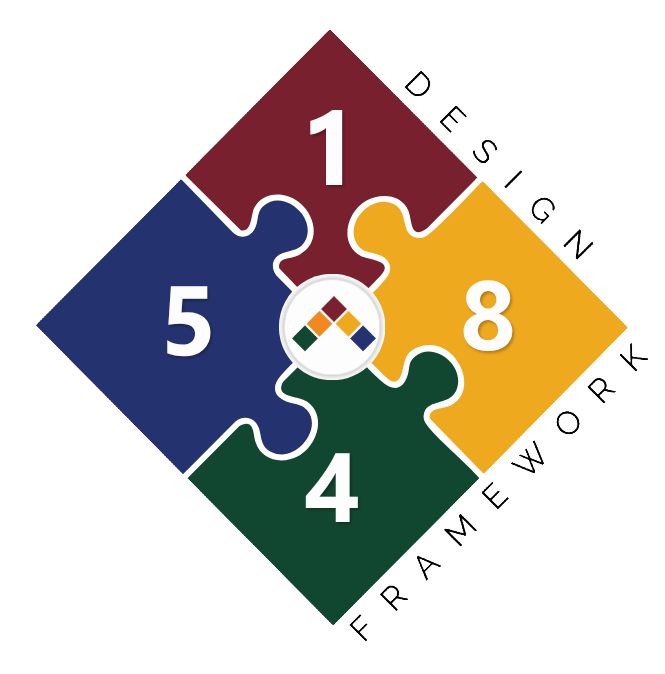
1 integrated design
Bringing building performance disciplines together rather than treating them as separate technical packages.
5 building physics elements
The physical conditions that can be analyzed, modelled, measured, and designed.
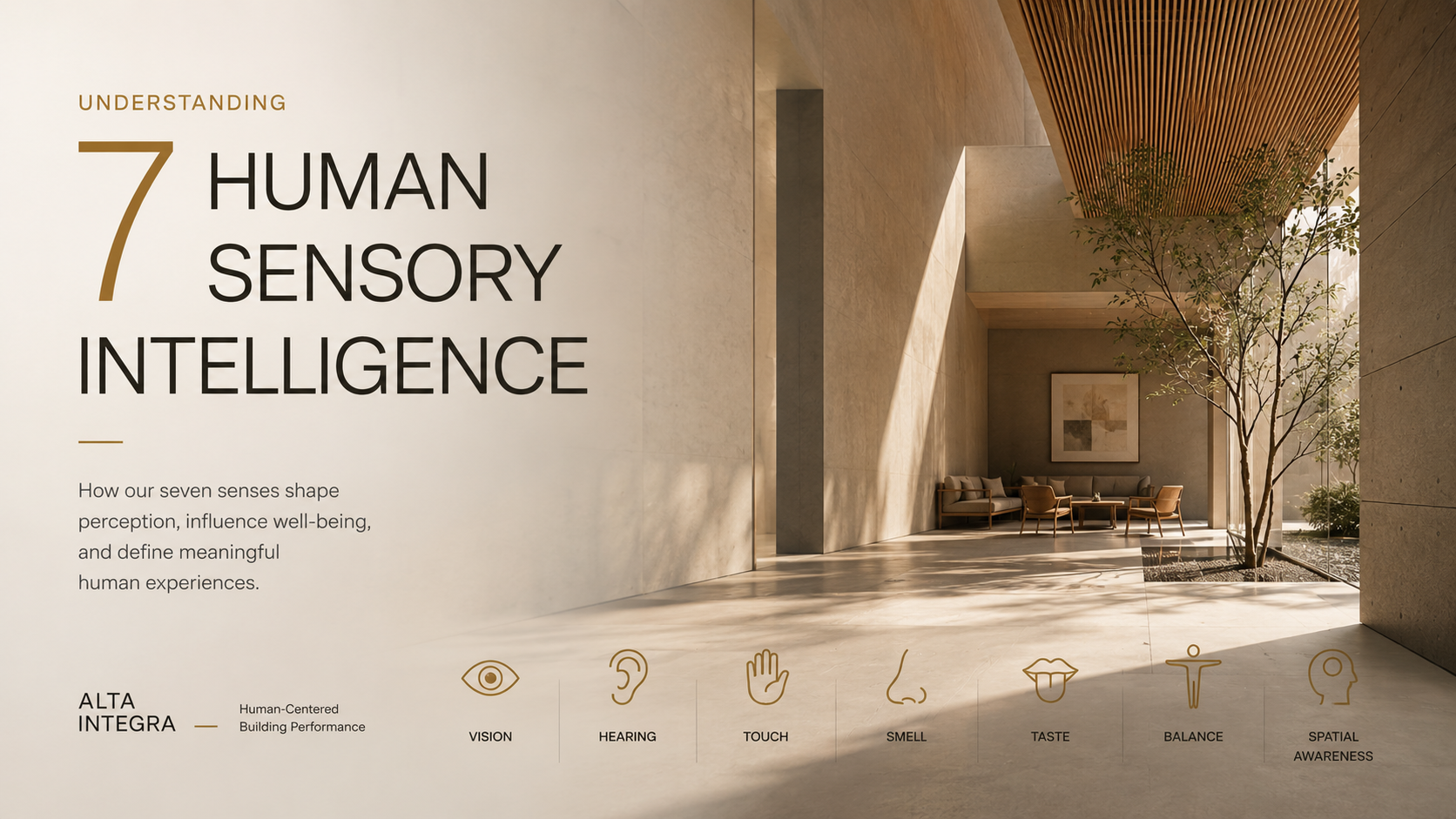
8 human senses
The ways people perceive, navigate, and interact with their environment.
4 human outcomes
The outcomes that the built environment should ultimately support.
ALTA Integra 1-5-8-4
Human-Centered Building Performance Design Framework
Integrated Expertise, Seamless Experience.






-
8 standalone or multi discipline services
-
15+ years of multidisciplinary experience
-
250+ projects completed across Asia since 2010
-
20+ experts across multiple disciplines
Signature
Portfolio
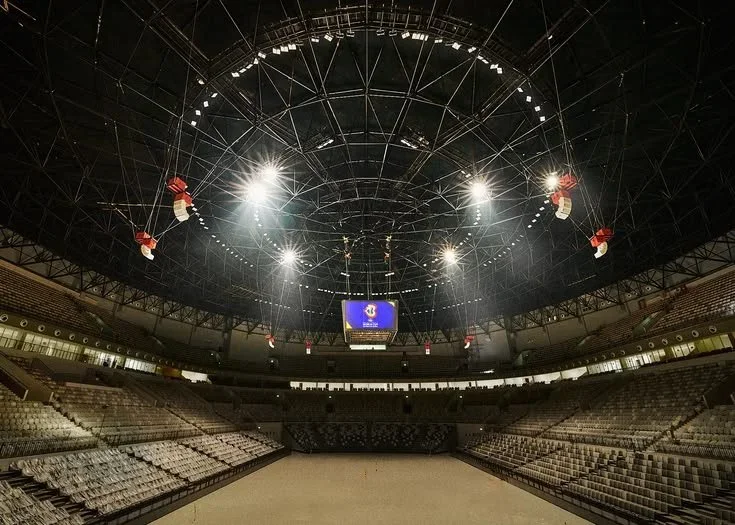
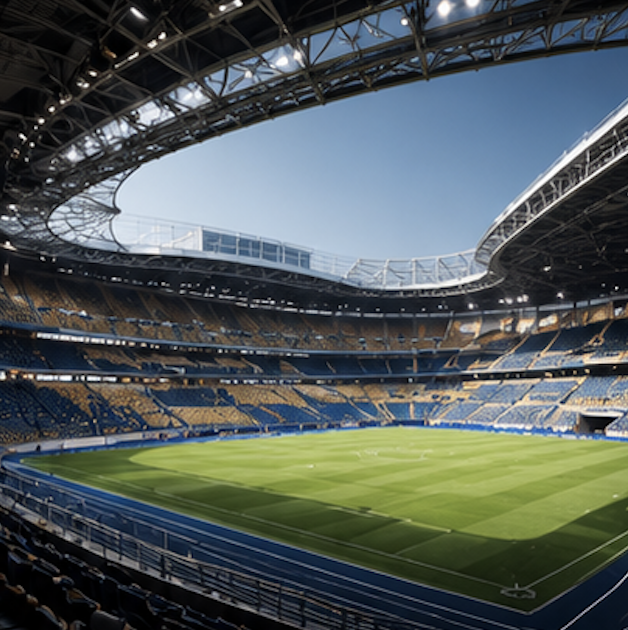
Gelora Bung Karno
Indoor Multi-Function Stadium
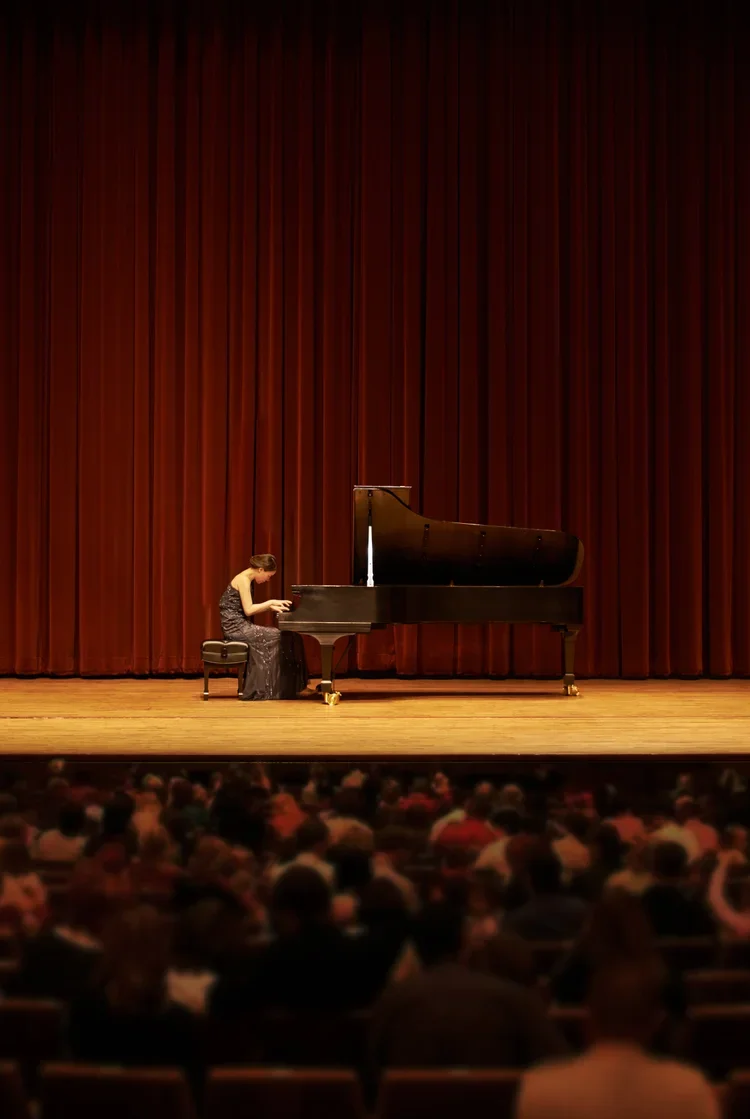
RuBIK
Theater & Concert Hall
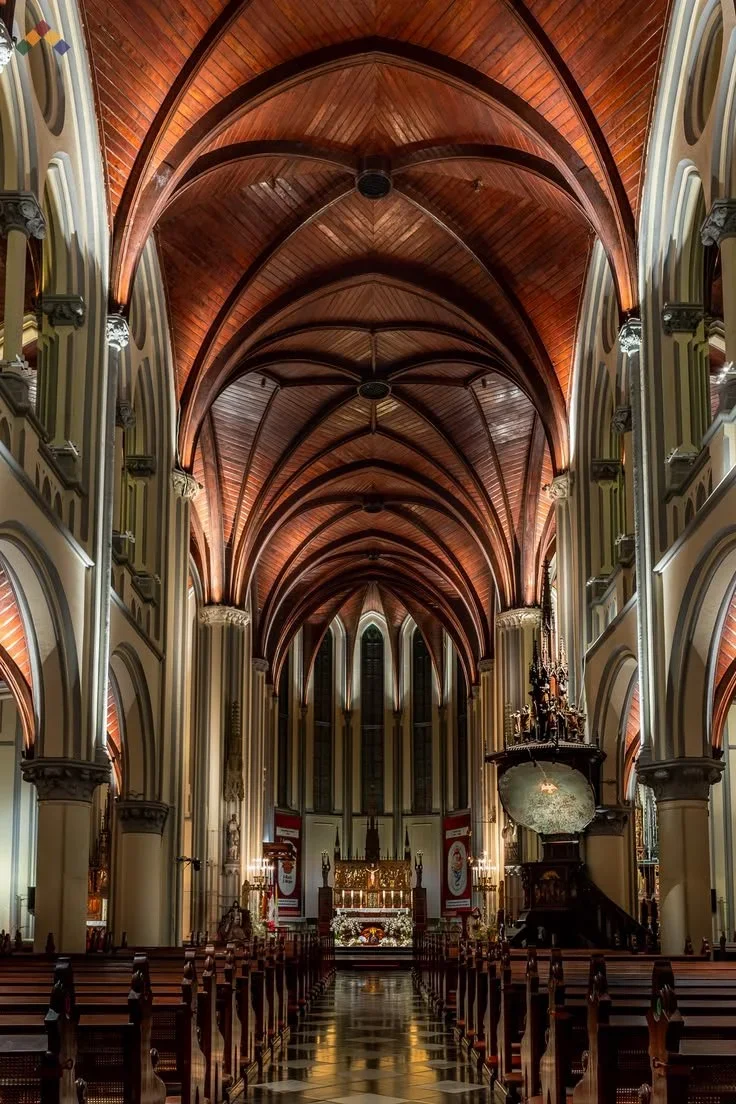
Katedral Jakarta
Sacred Building
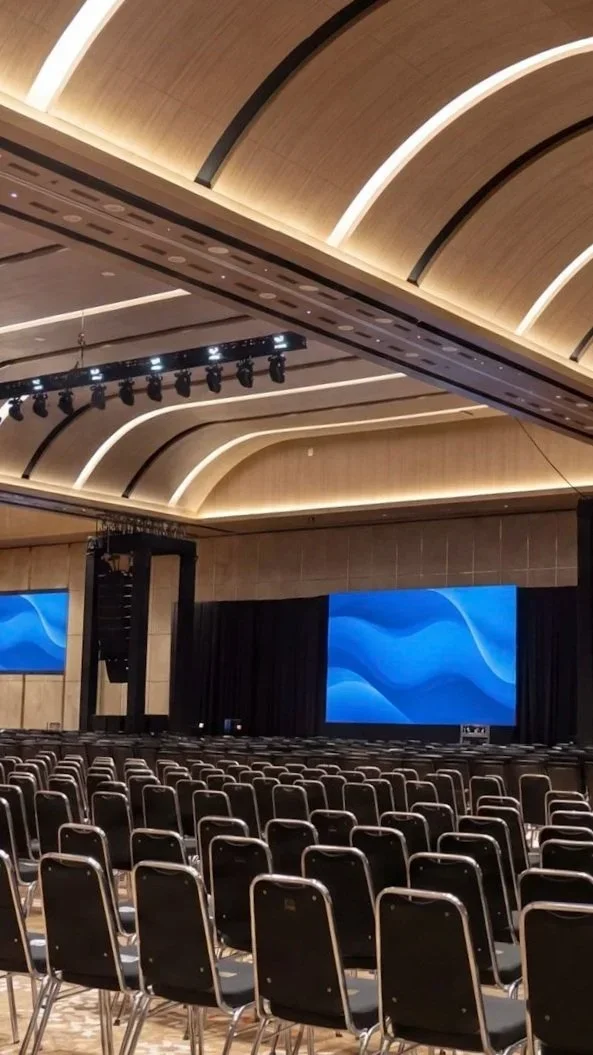
NICE PIK2
Convention Exhibition






Ideas that shape better space.
Literature Review, Research Insights & Evidence-Based Design Framework
Research & Insights across acoustics, lighting, passive design, and broader building physics — exploring how environmental performance and sensory experience interact to shape high-performing, human-centered built environments, while translating technical analysis into practical design insights that enhance comfort, wellbeing, and sustainability.
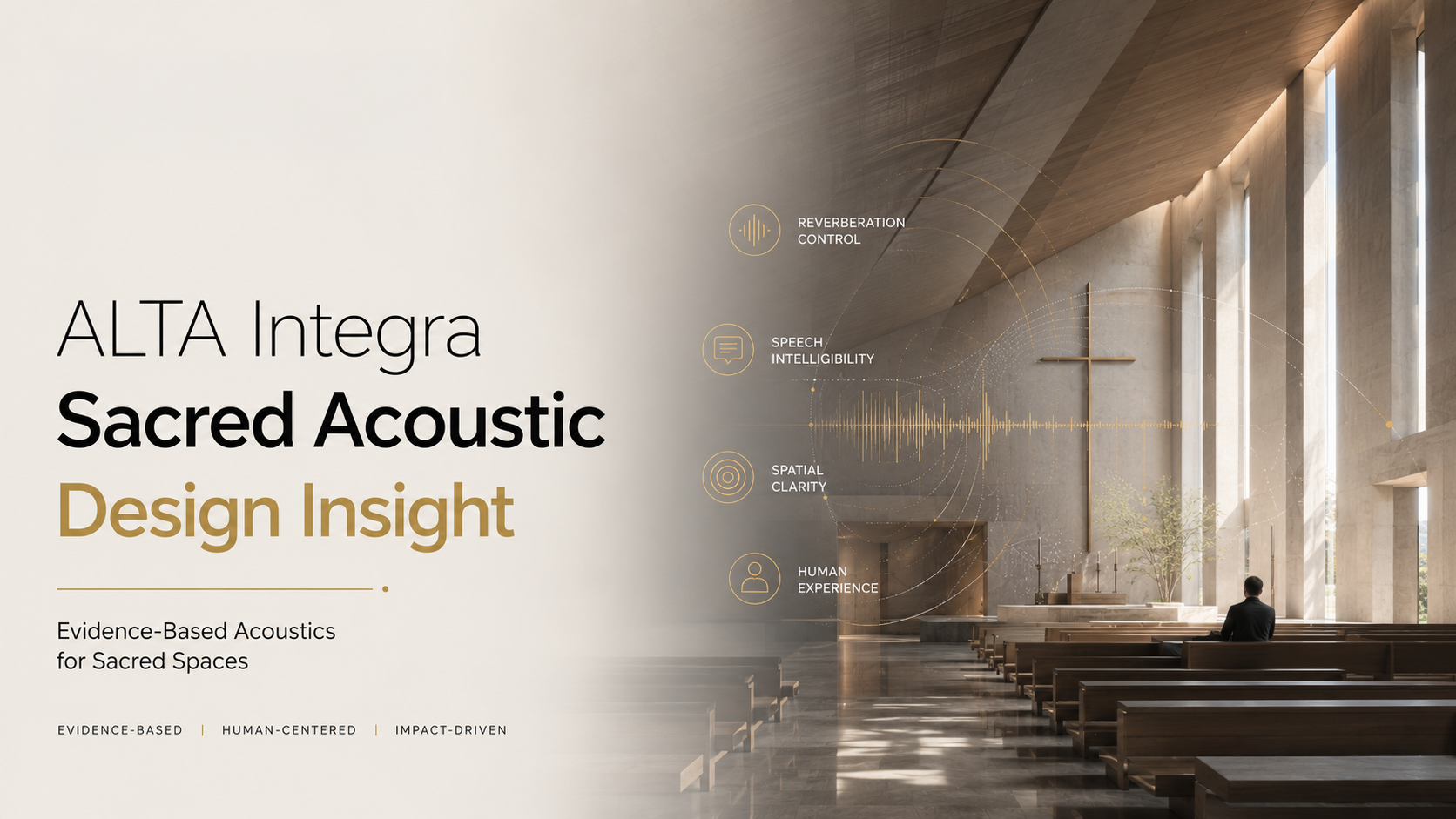
Acoustics
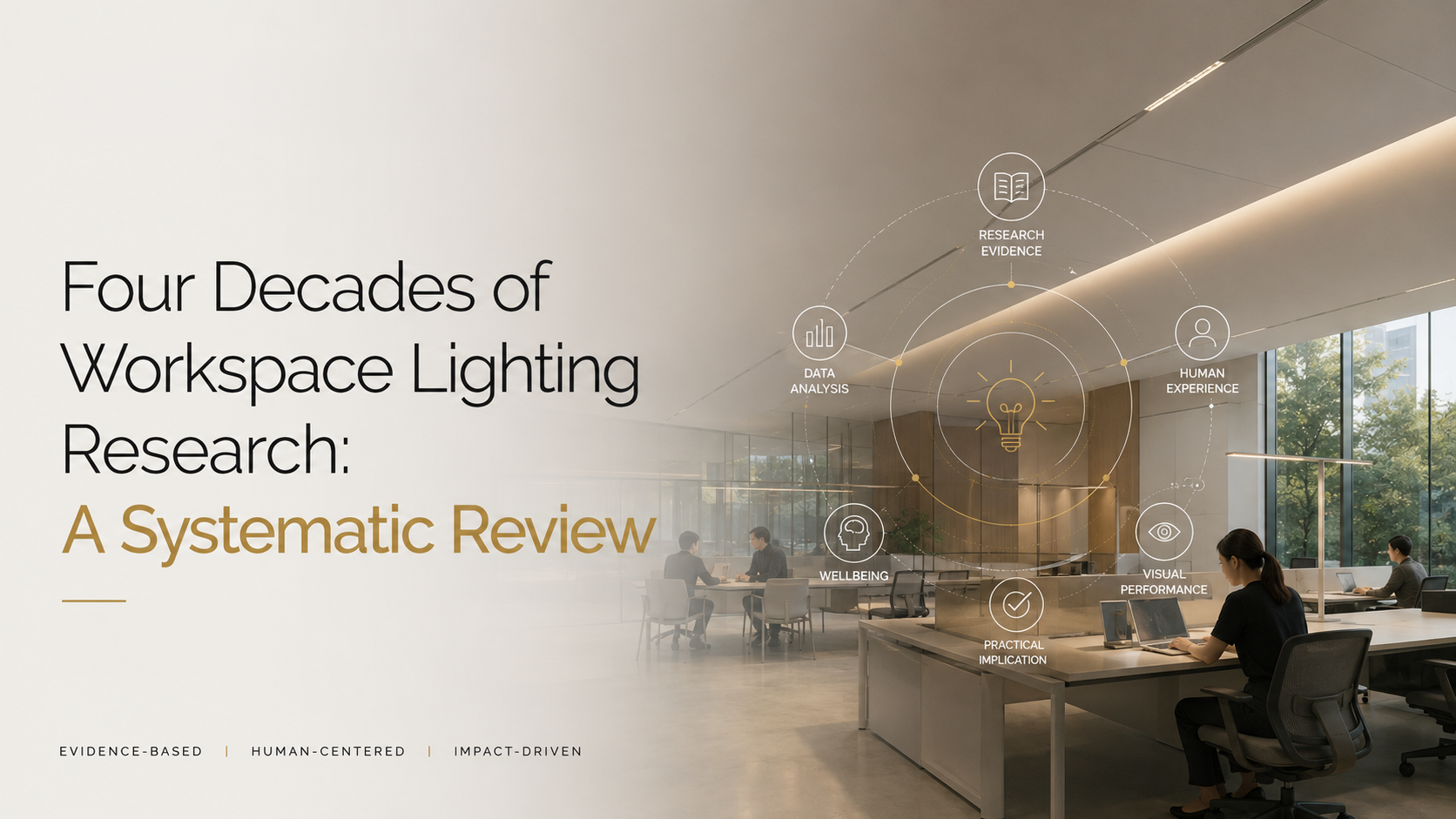
Lighting
Sustainability
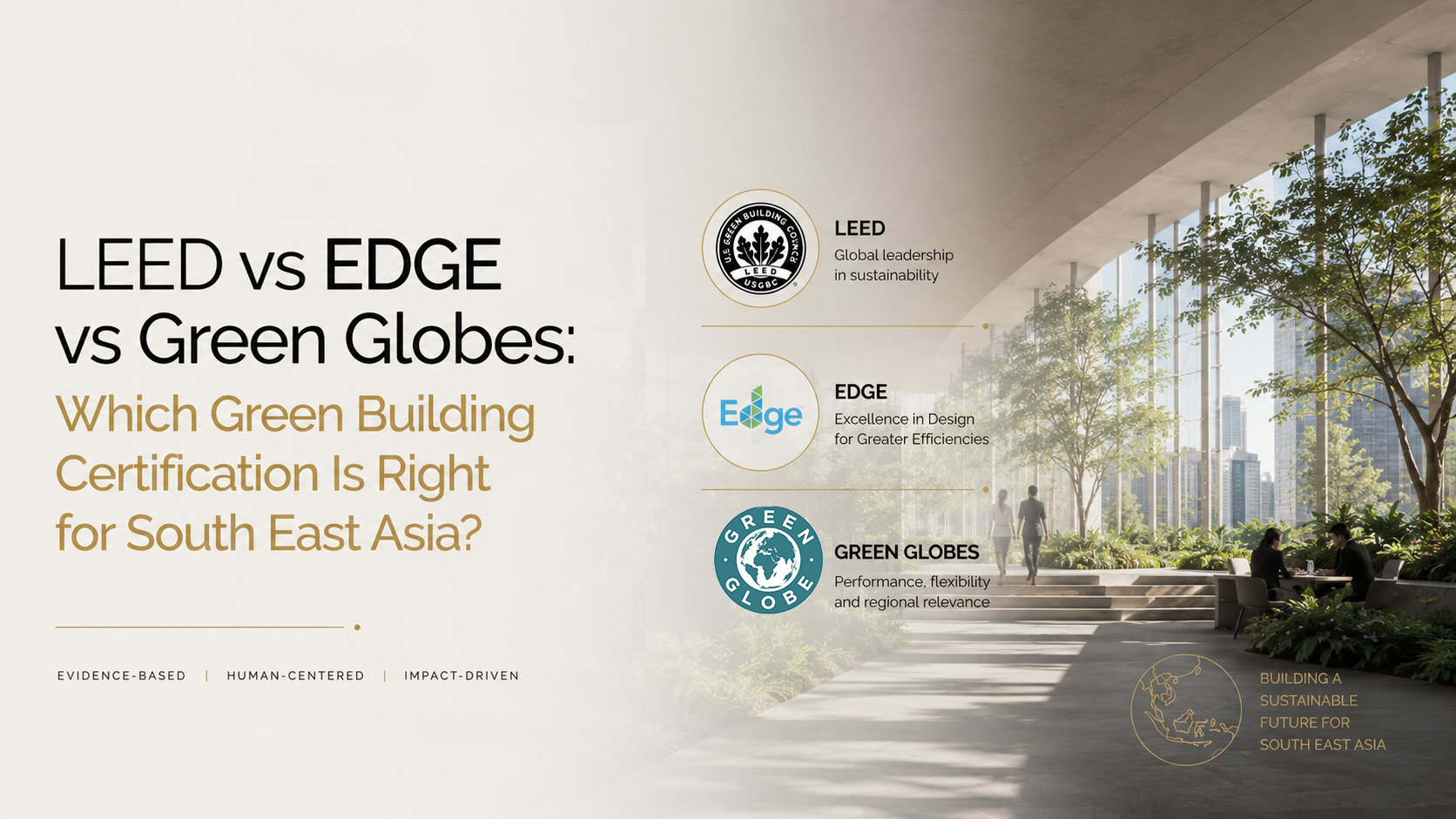
Passive Design
Audio Visual
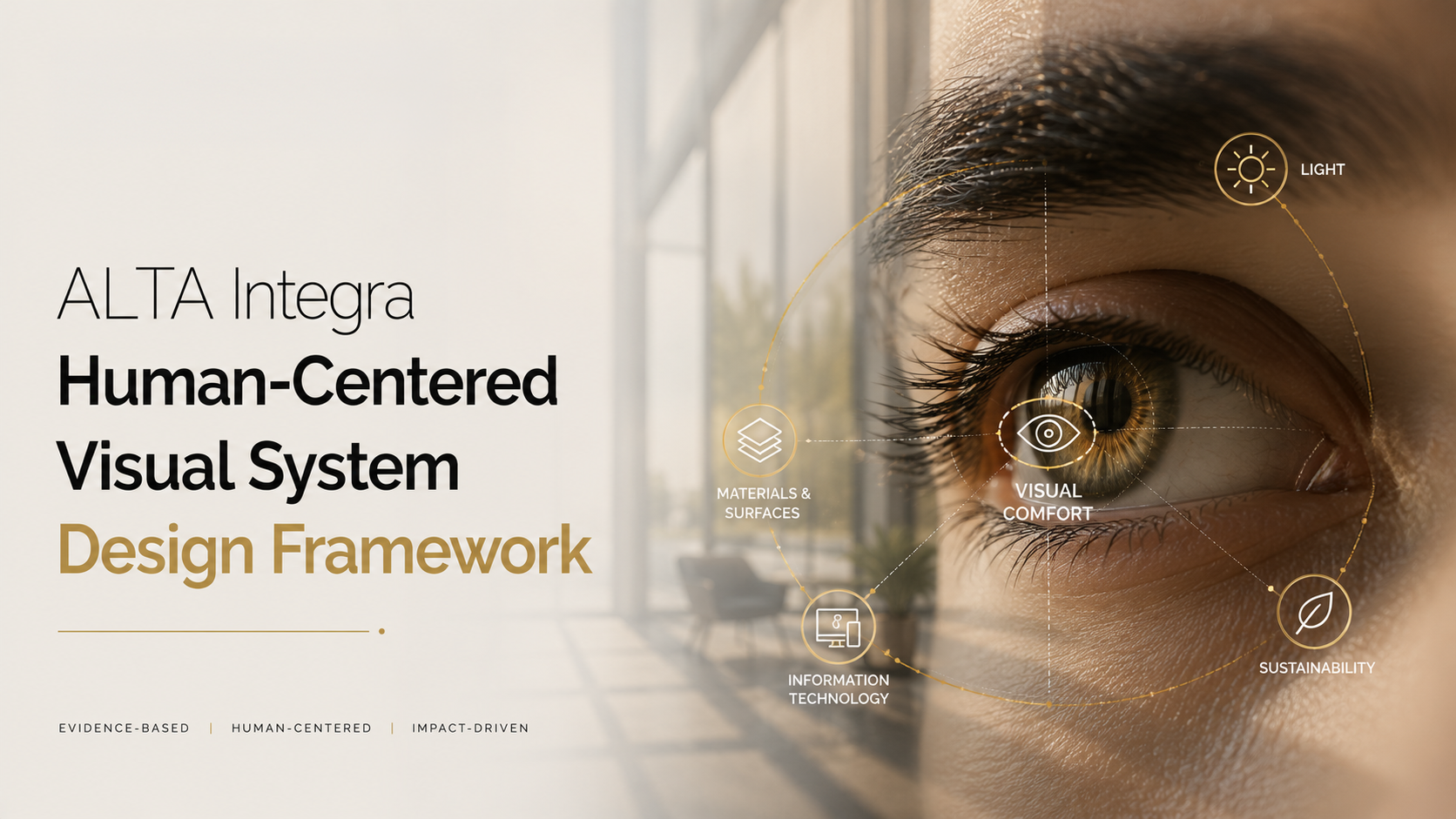
Health
Field Observation
Explore real-world observations through the lens of building physics.
From climate and nature to human behavior, culture, architecture, and cityscapes, discover how environmental conditions shape the performance, comfort, sustainability, and experience of the built environment.
Observe how culture, climate, history, technology, and human behavior interact to shape the built environment. These observations inform our approach to human-centered building performance.
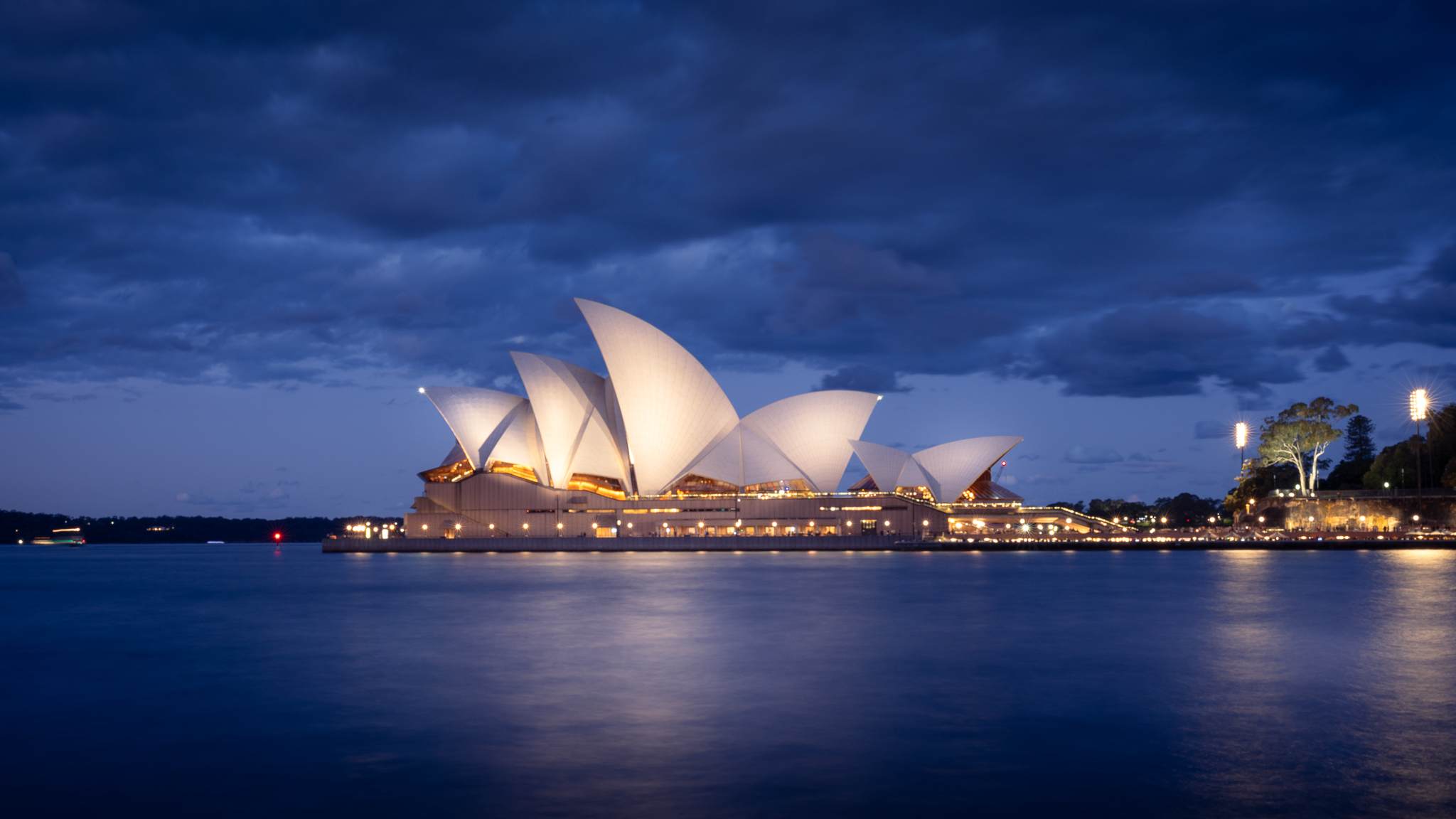
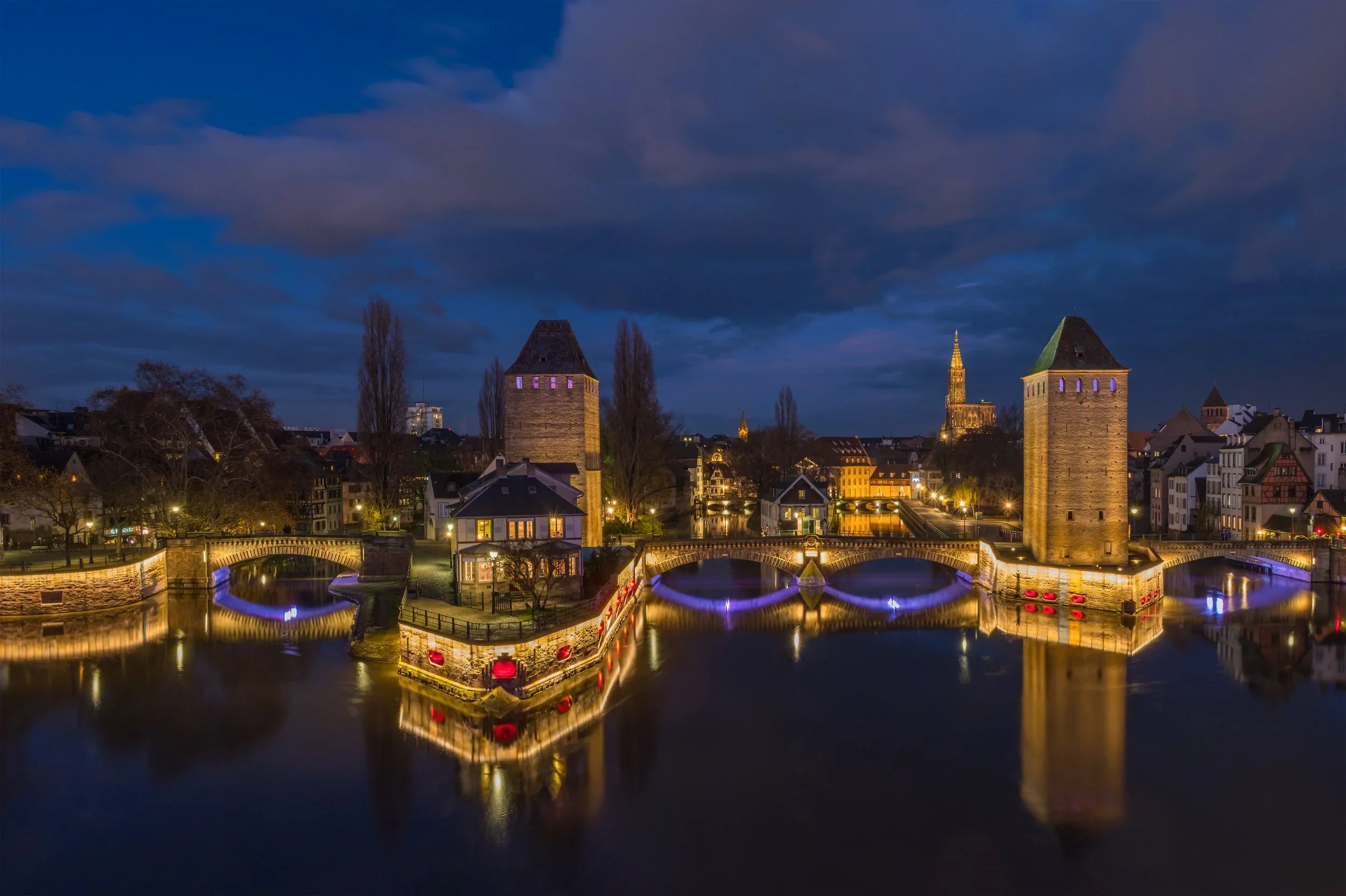
Community Center
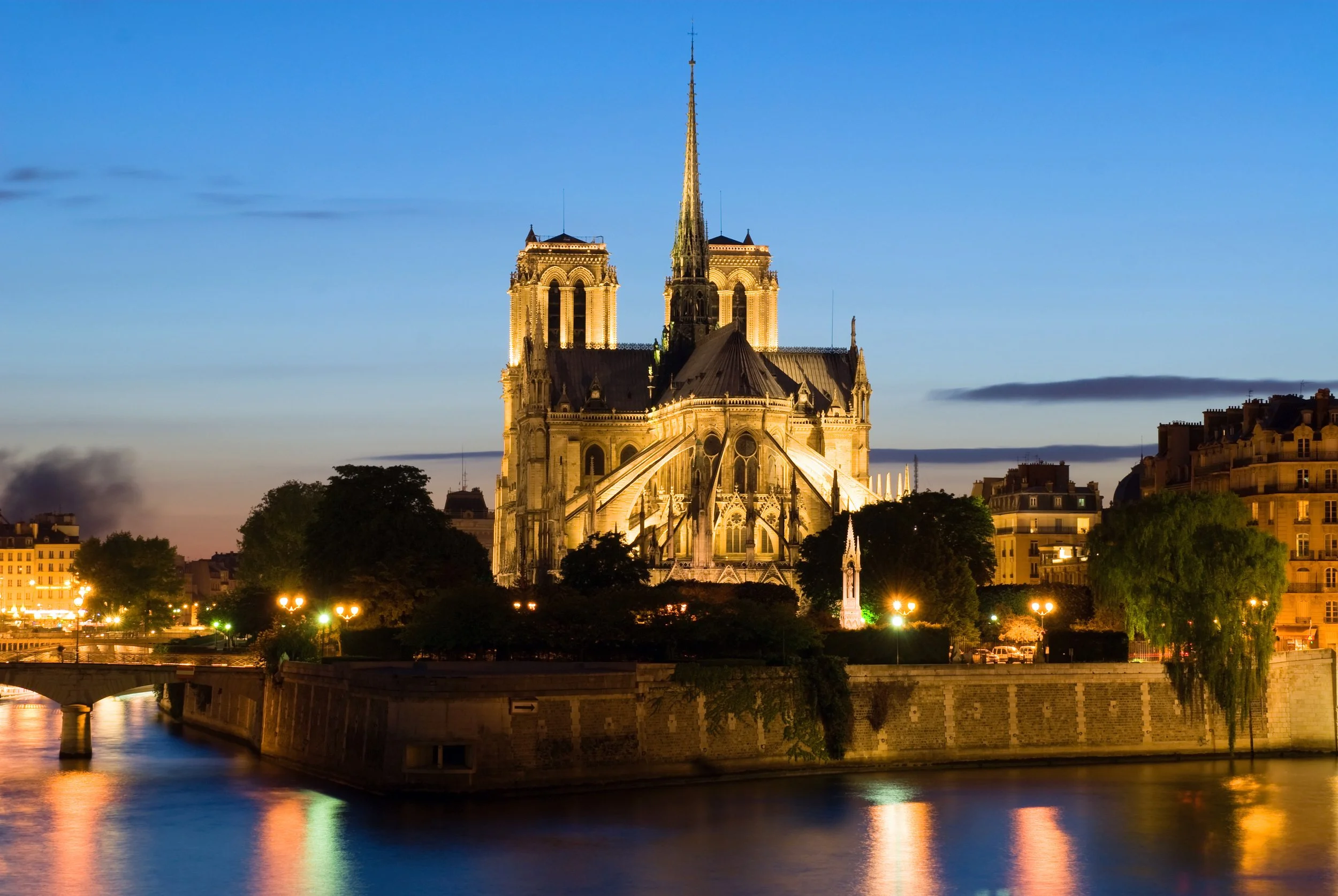
Historical Building
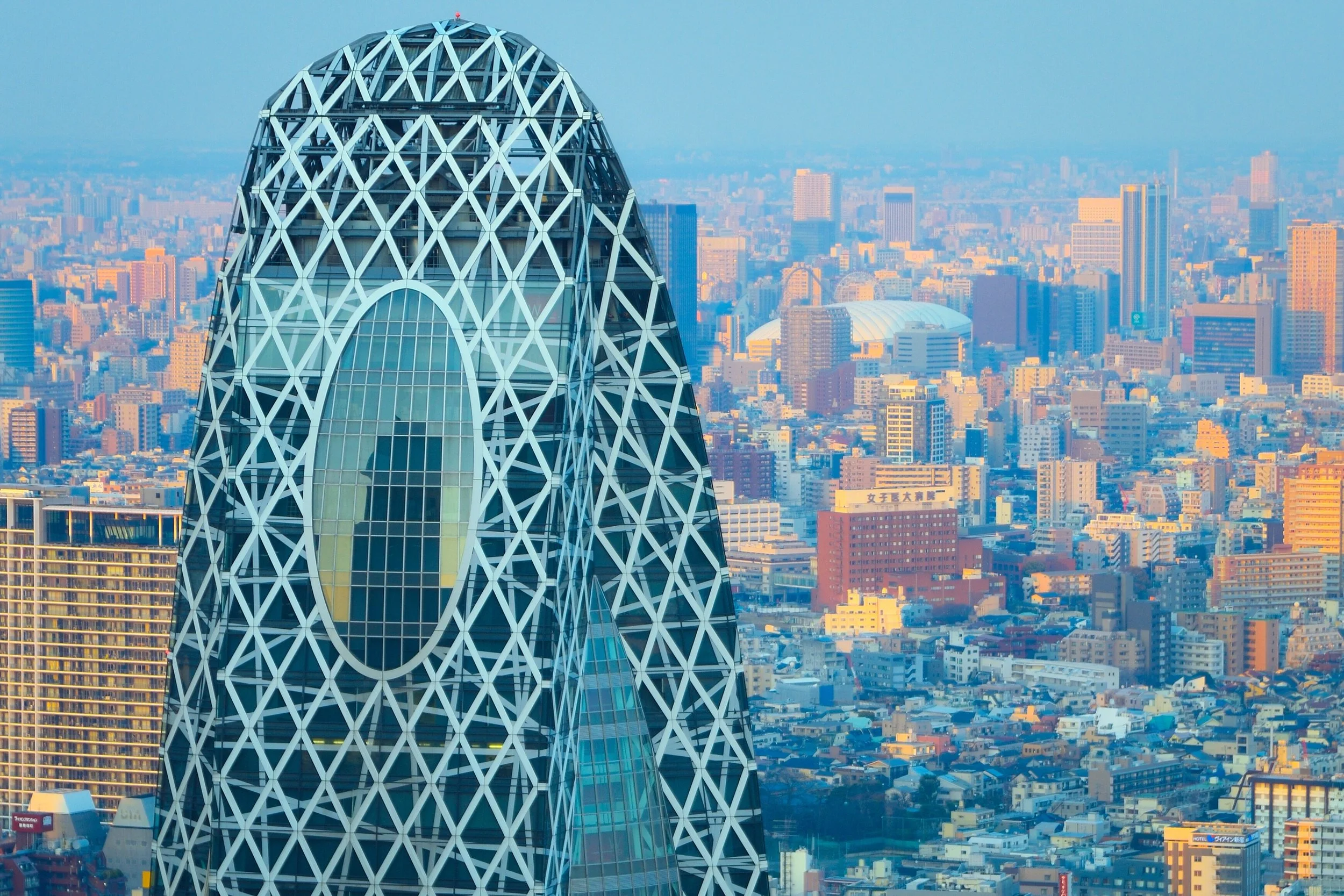
Modern Building
Nature, City and People
Designing Impactful Spaces
-
![sports]()
Sport
-
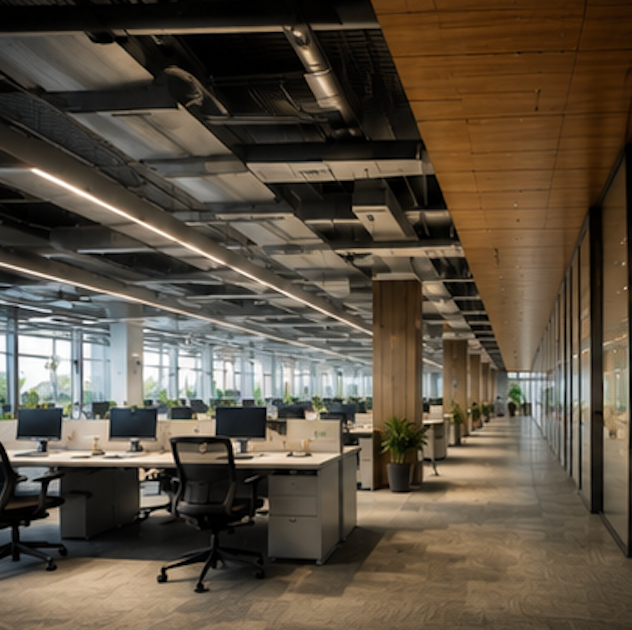
![workspace]()
Corporate
-
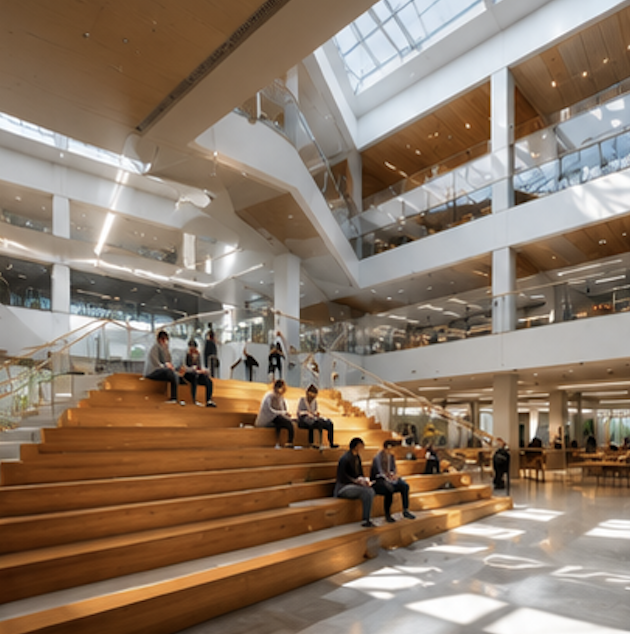
![education]()
Education
-
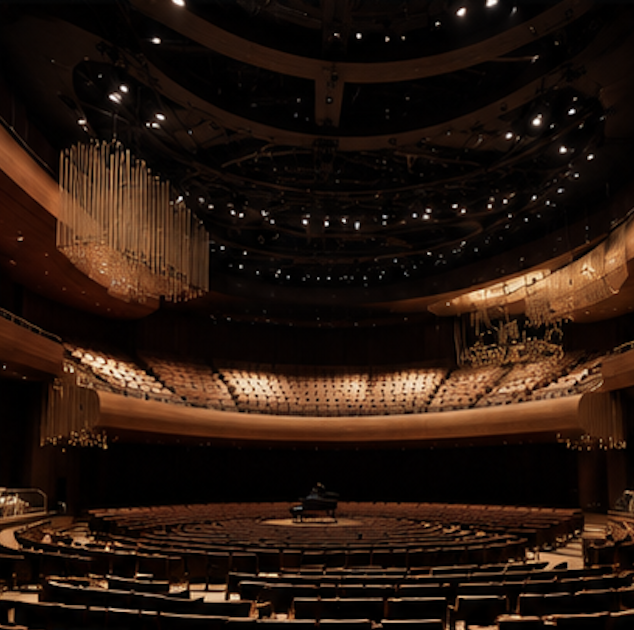
![concert hall]()
Cultural Space
-
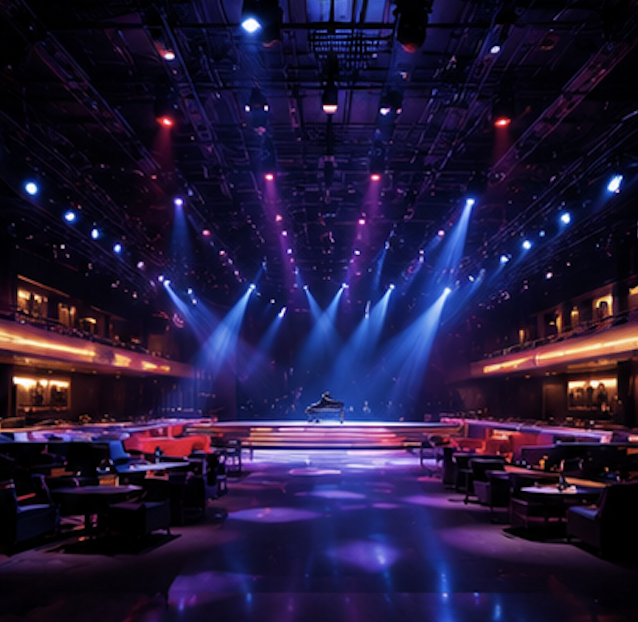
![entertainment]()
Entertainment
-
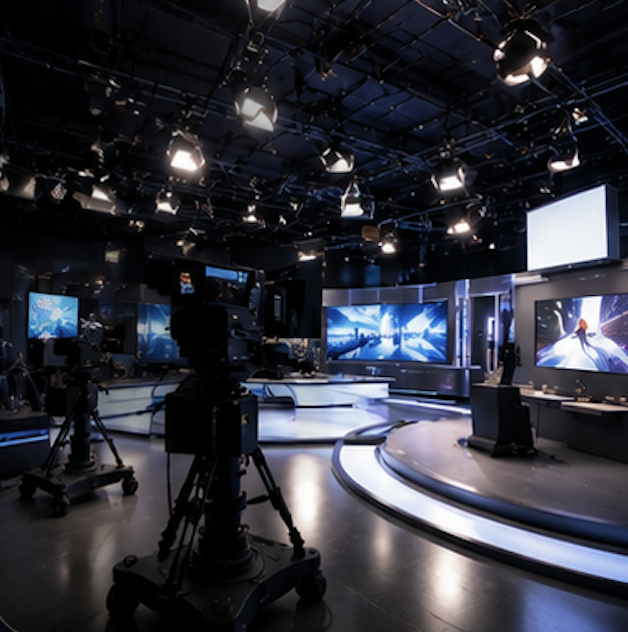
![Media and Studios]()
Studio
-
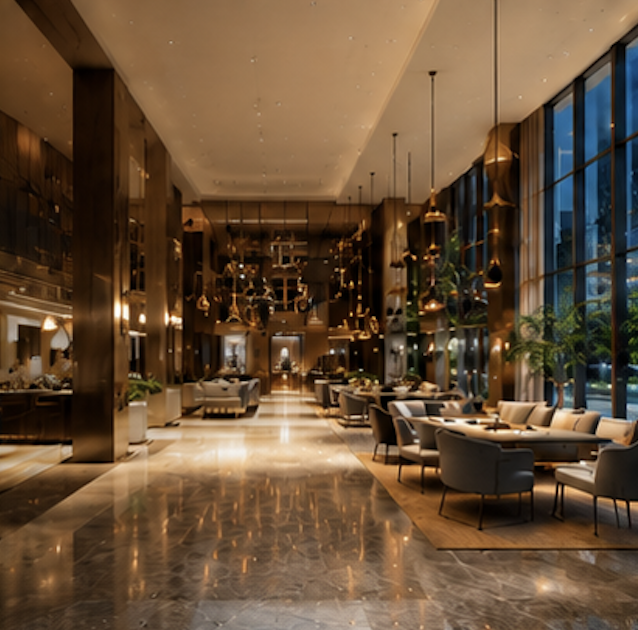
![hospitality]()
Hospitality
-
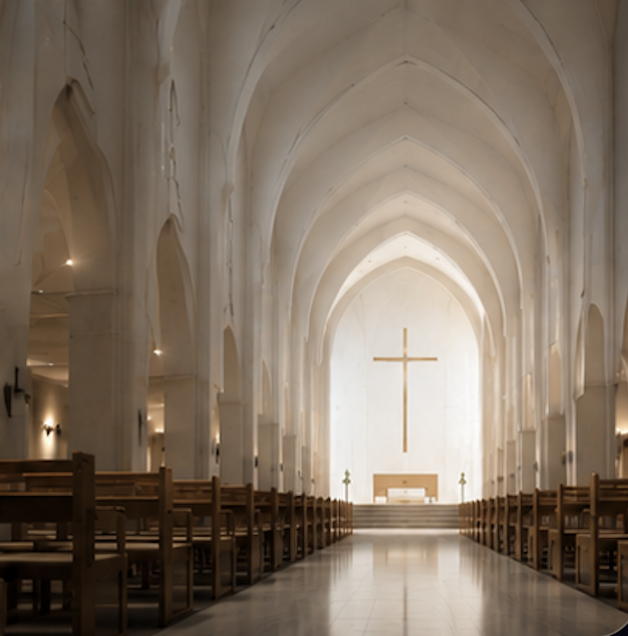
![worship]()
Worship
JP Morgan
Bank of America
DBS
Bank Indonesia
Mandiri
ByteDance
Meta
Spotify
Nokia
Astra Zeneca
GBK IMS
Jakarta International Stadium
Agung Sedayu
Agung Podomoro
Paramount
Shimizu
Takenaka
Western Sydney University
Tzu Chi School
Katedral Jakarta
Katedral Makassar
JP Morgan Bank of America DBS Bank Indonesia Mandiri ByteDance Meta Spotify Nokia Astra Zeneca GBK IMS Jakarta International Stadium Agung Sedayu Agung Podomoro Paramount Shimizu Takenaka Western Sydney University Tzu Chi School Katedral Jakarta Katedral Makassar
SHAU
Mmoser
GardeTokyo
Gensler
AndraMatin
PDW
Hanawal
GeniusLoci
ACG
Aboday
PTI
Hawawinata
dpi
Metaphor
CDA
Inspiral
Ong&Ong
DCM
Canang
JAP
BlueAntz
SHAU Mmoser GardeTokyo Gensler AndraMatin PDW Hanawal GeniusLoci ACG Aboday PTI Hawawinata dpi Metaphor CDA Inspiral Ong&Ong DCM Canang JAP BlueAntz
CONTACT
Available for consultancy, interdisciplinary collaboration, research, and speaking engagements
across Southeast Asia and International Markets.