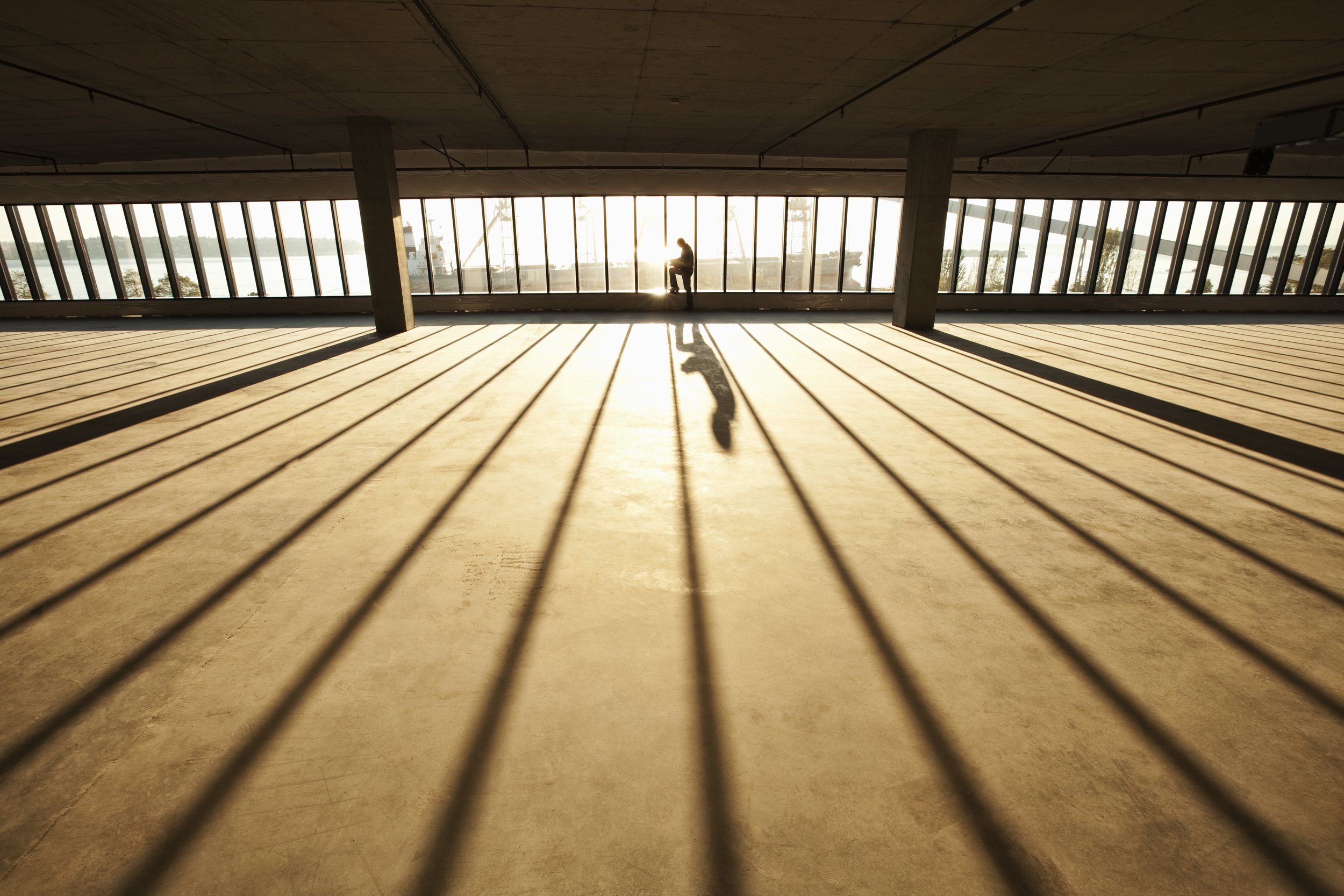
SPECIAL LIGHTING DESIGN CONSULTANT
As Principal Consultant of ALTA Integra, I lead a multidisciplinary lighting design approach that integrates architectural lighting, task lighting, general lighting, daylighting strategy, façade lighting, stage lighting, environmental psychology, circadian research, sustainability, and building physics. Through the combination of performance analysis, technical precision, and creative design, we create visually compelling, energy-efficient, and human-centered environments that enhance wellbeing, spatial experience, and emotional engagement across diverse architectural and built environments.
What Does a Human-Centered Special Lighting Design Consultant Do?
A special lighting design consultant develops integrated lighting strategies for architectural lighting, façade lighting, landscape lighting, task lighting, general lighting, and daylighting to enhance visual comfort, spatial experience, energy efficiency, and overall building performance.
At ALTA Integra, we provide human-centered lighting design consultancy for architecture, interior, hospitality, commercial, cultural, educational, entertainment, landscape, and urban development projects across Indonesia and international markets. Our multidisciplinary approach integrates lighting science, architecture, environmental psychology, sustainability, circadian research, and building physics to create visually compelling and high-performance environments.
We believe lighting extends beyond illumination. Lighting influences human perception, emotional atmosphere, wellbeing, productivity, spatial identity, and environmental performance. Through the integration of technical precision and creative design, we develop lighting environments that strengthen architectural character, improve user experience, support sustainable development goals, and create healthier, more meaningful interactions within the built environment.
Why Lighting Design Matters
Lighting is one of the most powerful tools in shaping human experience within architecture. Beyond visibility, lighting influences how people feel, behave, interact, and perceive space. Poor lighting environments can lead to visual fatigue, glare discomfort, reduced productivity, sleep and circadian disruption, excessive energy consumption, weak brand perception, and poor overall spatial experience. In many projects, lighting quality directly affects occupant wellbeing, operational performance, and the emotional atmosphere of a space.
Conversely, high-quality lighting design contributes significantly to human wellbeing, enhanced concentration, productivity, and visual comfort. Thoughtfully designed lighting strengthens architectural identity, improves hospitality and customer experience, creates greater emotional engagement, and supports healthier circadian rhythms. It also plays an important role in sustainability performance through energy efficiency and responsible environmental integration.
At a broader level, effective lighting design increases property value, reinforces brand positioning, and transforms architecture into a more immersive and meaningful human experience. By integrating aesthetics, technology, psychology, and environmental performance, lighting becomes not only a functional system, but a strategic design element that shapes how people experience the built environment.
Integrity, creativity, and empathy shape the way we work. These aren't just words—they’re the foundation of everything we build. We believe in doing great work, building real relationships, and making it easy for you to get the results you’re looking for.
What Sets Us Apart
Human-Centered Approach
Everything we do is built around understanding your needs, how people response to built-environment and helping you succeed — because when you thrive, so do we.
A Focus on Performance
We hold our work to high standards. We focus on sustainable results built on smart strategy and real insight.

Seamless Integration
We follow through every detail integration, meet deadlines, and show up when it matters. Consistency is part of our promise.
Responsive & Adaptive
We bring structure where it counts and adaptability where it matters. Our methods are clear, but always responsive.
Client & Project Types We Serve
We provide special lighting design consultancy services for a wide range of clients and project sectors, including corporate offices, hospitality and hotel developments, retail and commercial spaces, cultural and museum projects, educational facilities, houses of worship, sports and entertainment venues, luxury residential developments, public and urban spaces, mixed-use developments, as well as broadcast and studio environments.
Our multidisciplinary approach is tailored to support architects, developers, interior designers, operators, institutions, and private clients seeking high-performance and human-centered lighting environments. Each project combines engineering precision with architectural sensitivity to deliver visually impactful, emotionally engaging, and technically optimized environments. Through the integration of lighting science, spatial experience, sustainability, and design storytelling, we create lighting solutions that enhance functionality, strengthen identity, and elevate the overall quality of the built environment.
JP Morgan
Bank of America
DBS
Bank Indonesia
Mandiri
ByteDance
Meta
Spotify
Nokia
Astra Zeneca
GBK IMS
Jakarta International Stadium
Agung Sedayu
Agung Podomoro
Paramount
Shimizu
Takenaka
Western Sydney University
Tzu Chi School
Katedral Jakarta
Katedral Makassar
JP Morgan Bank of America DBS Bank Indonesia Mandiri ByteDance Meta Spotify Nokia Astra Zeneca GBK IMS Jakarta International Stadium Agung Sedayu Agung Podomoro Paramount Shimizu Takenaka Western Sydney University Tzu Chi School Katedral Jakarta Katedral Makassar
SHAU
Mmoser
GardeTokyo
Gensler
AndraMatin
PDW
Hanawal
GeniusLoci
ACG
Aboday
PTI
Hawawinata
dpi
Metaphor
CDA
Inspiral
Ong&Ong
DCM
Canang
JAP
BlueAntz
SHAU Mmoser GardeTokyo Gensler AndraMatin PDW Hanawal GeniusLoci ACG Aboday PTI Hawawinata dpi Metaphor CDA Inspiral Ong&Ong DCM Canang JAP BlueAntz
ALTA Integra: Special Lighting Design Consultant
A lighting design consultant develops strategies that optimize visual comfort, spatial atmosphere, aesthetics, energy efficiency, and human experience through natural and artificial lighting integration.
Our consultancy services include:
Architectural Lighting Design
Façade Lighting Design
Task & Workplace Lighting
Landscape Lighting Design
Daylighting Design & Analysis
Stage & Entertainment Lighting
Human-Centric Lighting Strategy
Lighting Simulation & Visualization
Sustainable Lighting Design
LEED & WELL Lighting Support
Lighting Control & Automation Coordination
We collaborate with architects, interior designers, developers, operators, engineers, and contractors from early concept development through commissioning and post-occupancy evaluation.
Architectural Lighting Design Consultant
Creating Visual Comfort, Spatial Identity, and Emotional Experience
Our architectural lighting consultancy supports a wide range of project type including corporate offices, hospitality projects, retail environments, residential developments, cultural facilities, educational buildings, houses of worship, and public spaces. Through the integration of lighting science, architecture, and human-centered environmental design, we deliver lighting strategies that enhance both spatial experience and long-term building performance.
Architectural lighting design shapes how users perceive space, materiality, scale, texture, and atmosphere within the built environment. Beyond illumination, lighting directly influences mood, concentration, productivity, cognitive performance, and emotional engagement. At ALTA Integra, we design architectural lighting systems that carefully balance visual comfort, aesthetic integration, spatial hierarchy, human wellbeing, energy efficiency, functional performance, and brand identity to create meaningful and high-performing environments.
Architectural Lighting Design Process
At ALTA Integra, our architectural lighting design process integrates lighting science, human-centric design, building physics, and architectural sensitivity to create lighting environments that are visually compelling, technically accurate, and operationally efficient. Supported by advanced digital visualization and simulation technologies, we develop integrated lighting strategies from concept development through technical validation, visualization, and commissioning.
We utilize professional lighting and visualization platforms including DIALux Evo, SketchUp, V-Ray, Lumion, Adobe Photoshop, and AI-assisted visualization tools to develop lighting models, technical simulations, and photorealistic presentations that support both design precision and stakeholder communication.
Preliminary Study & Lighting Design Criteria
Our process begins with a comprehensive design review to understand project objectives, architectural character, operational requirements, user activities, environmental conditions, and brand identity. We evaluate spatial hierarchy, façade composition, materiality, daylight conditions, occupancy patterns, and visual task requirements to establish the overall lighting strategy and align architectural intent with human-centered, sustainable, and technically integrated lighting principles.
Based on this assessment, we define project-specific lighting criteria and performance targets including illuminance levels, luminance balance, glare control, color temperature, color rendering quality, visual comfort, daylight integration, circadian lighting considerations, façade lighting performance, energy efficiency, and intelligent control integration. Establishing clear technical parameters early in the design process creates a strong foundation for high-performance and visually refined lighting environments.
Lighting Visualization, Simulation & Modeling
Our workflow typically begins with conceptual sketches, 2D technical drawings, and Photoshop-based visual studies, followed by detailed three-dimensional modeling in SketchUp. Architectural geometry, materials, façade articulation, interior finishes, furniture layouts, and environmental context are accurately developed to support integrated lighting analysis and visualization.
The model is then integrated into DIALux Evo for professional lighting simulation and engineering calculation based on international lighting standards and project-specific performance requirements. Through this process, we evaluate illuminance distribution, luminance balance, Unified Glare Rating (UGR), daylight integration, lighting uniformity, contrast ratio, color rendering quality, energy performance, and circadian lighting metrics. These simulations allow us to optimize luminaire placement, beam angles, fixture specifications, and control strategies before construction, reducing project risk while improving visual comfort and operational efficiency.
To support design communication and client decision-making, we produce photorealistic renderings and immersive visualizations using V-Ray and Lumion. These visualizations help architects, developers, operators, and end users accurately understand the spatial atmosphere, material reflections, façade illumination, hospitality ambience, and nighttime architectural identity before project implementation.
Lighting Energy Analysis & Sustainable Design
Our lighting energy analysis services support sustainable and high-performance building strategies through the integration of energy-efficient lighting systems, daylight optimization, smart controls, and environmental performance evaluation. Using advanced simulation methodologies, we analyze lighting power density (LPD), daylight contribution, dimming strategies, occupancy-based controls, façade lighting efficiency, operational energy consumption, and lifecycle performance to reduce energy demand while maintaining visual quality and occupant comfort.
Our approach aligns with recognized sustainable design frameworks including ASHRAE 90.1 Energy Standard, U.S. Green Building Council LEED, International WELL Building Institute WELL Building Standard, EDGE, local Indonesian SNI regulations, and project-specific ESG targets, ensuring lighting systems contribute to both environmental performance and human wellbeing.
Intelligent Lighting Control Integration
We integrate architectural lighting systems with intelligent control platforms such as Casambi and DALI to create adaptive lighting environments responsive to human activity, spatial function, operational requirements, and sustainability objectives.
Through programmable lighting scenes, dimming systems, circadian lighting control, occupancy sensing, daylight harvesting, and time-based automation, we develop dynamic lighting environments that enhance visual comfort, emotional atmosphere, productivity, hospitality ambience, and architectural storytelling. Intelligent control systems also improve operational flexibility while significantly reducing energy consumption through real-time environmental and occupancy optimization.
Lighting Measurement & Commissioning
To ensure installed systems perform according to design intent, ALTA Integra conducts professional lighting measurement, testing, and commissioning using advanced spectrometric and photometric instrumentation. Our commissioning process verifies compliance with visual comfort requirements, energy targets, operational objectives, and international lighting standards through quantitative on-site performance validation.
For spectral lighting analysis and human-centric lighting evaluation, we utilize the UPRtek MK350S Premium spectrometer to measure illuminance, correlated color temperature (CCT), Color Rendering Index (CRI), TM-30 color fidelity, spectral power distribution (SPD), flicker characteristics, melanopic lux, circadian lighting metrics, glare-related parameters, and blue light hazard assessment. The instrument complies with DIN B and JIS AA professional illuminance meter classifications for measurement accuracy and cosine correction performance.
For luminance and reflected light analysis, we utilize the Sekonic L-858D Speedmaster equipped with a precise 1-degree spot metering system to evaluate luminance distribution, brightness contrast, façade consistency, glare sources, display lighting, and visual hierarchy in both interior and exterior environments.
By combining advanced simulation with post-installation field measurement and commissioning, we ensure lighting systems are visually refined, technically verified, energy-efficient, and optimized for real-world operational performance.
Methodology & International Standards
Our lighting design and commissioning methodology follows recognized international standards and recommended practices from the Illuminating Engineering Society, International Commission on Illumination, International WELL Building Institute, U.S. Green Building Council, IEEE PAR 1789 flicker recommendations, ASHRAE 90.1 Energy Standard and local Indonesian SNI standards, and project-specific sustainability frameworks including WELL and LEED certification systems.
Task Lighting Design Consultant
High Performance Lighting for Productivity and Wellness
Align with our architectural lighting design process, our task lighting design services are developed to support specific visual activities that require precise illumination quality, appropriate light intensity, balanced contrast, visual clarity, and effective glare control. Based on principles and recommended practices from the Illuminating Engineering Society and international lighting standards, task lighting is not simply about increasing brightness, but about delivering the right light for the right activity while supporting human visual performance, comfort, health, and operational efficiency. Different tasks demand different lighting criteria depending on visual complexity, accuracy requirements, viewing distance, occupancy duration, screen interaction, and environmental conditions.
We design task lighting systems for a wide range of environments including sport arenas, offices and workplaces, control rooms, educational facilities, healthcare environments, laboratories, residential spaces, retail environments, and hospitality operations. Each sector requires a specialized lighting strategy tailored to user behavior and functional requirements. For example, workplace and educational environments require lighting that supports concentration, reading comfort, screen interaction, and long-duration occupancy, while healthcare and laboratory environments demand higher visual accuracy, color rendering quality, and reduced visual errors. Sports and control room environments require rapid visual adaptation, spatial awareness, contrast recognition, and glare mitigation to support safety and operational performance.
Our human-centric lighting approach integrates lighting science, ergonomics, environmental psychology, circadian lighting research, and building performance principles to create healthier and more adaptive visual environments. We carefully evaluate factors including visual fatigue reduction, circadian rhythm support, productivity enhancement, cognitive performance, user comfort, adaptability, and long-term wellbeing. Through optimized illuminance levels, luminance balance, Unified Glare Rating (UGR) control, flicker mitigation, spectral quality analysis, and circadian-responsive color temperature strategies, we create lighting systems that support both physiological and psychological human needs throughout the day.
Research in workplace wellbeing and environmental psychology consistently demonstrates that lighting quality significantly influences occupant wellbeing, focus, mood, productivity, learning performance, and overall satisfaction within built environments. Poorly designed task lighting can contribute to eye strain, headaches, visual fatigue, reduced concentration, stress, and operational inefficiency. Conversely, properly designed task lighting improves visual comfort, enhances task accuracy, supports healthier work and learning conditions, and creates environments that are more engaging, efficient, and human-centered.
Our design methodology combines advanced digital simulation, lighting calculation, and field commissioning using professional tools such as DIALux Evo and professional spectrometric measurement instruments. We evaluate illuminance distribution, luminance contrast, glare performance, color rendering quality, daylight integration, energy consumption, and human-centric lighting metrics in compliance with recognized standards and guidelines from the International Commission on Illumination, WELL Building Standard, local SNI requirements, and sustainable design frameworks including LEED and WELL certification systems.
Task Lighting Design Guideline and Standard
For professional task lighting and activity-based lighting design consultancy, ALTA Integra will reference a wide range of international standards, recommended practices, ergonomics guidelines, workplace lighting criteria, sports lighting standards, healthcare lighting recommendations, and human-centered lighting frameworks. These standards help define measurable requirements for illuminance, luminance, glare control, visual ergonomics, flicker performance, color quality, circadian support, safety, and operational functionality across different environments.
IES Task Lighting Guideline
IES RP-1 — Recommended Practice: Office Lighting
IES RP-3 — Educational Facilities Lighting
IES RP-4 — Healthcare Lighting
IES RP-6 — Sports and Recreational Area Lighting
IES RP-7 — Industrial Lighting
IES RP-8 — Roadway Lighting
IES RP-29 — Museum and Gallery Lighting
IES DG-18 — Lighting and the Visual Environment for Senior Living
IES DG-21 — Hospitality Lighting
IES DG-5 — Retail Lighting
IES DG-24 — Airport Lighting
IES DG-25 — Control Room Lighting
ISO Task Lighting Standards
ISO 8995 / EN 12464-1 - Lighting of Indoor Workplaces
ISO 9241 - Ergonomics of Human-System Interaction
ISO/CIE 8995-1 - Visual Ergonomics and Lighting
EN Task Lighting Standards
EN 12464-1
Indoor Workplace LightingEN 12464-2
Outdoor Workplace LightingEN 12193
Sports LightingEN 1838
Emergency LightingEN 17037
Daylight in Buildings
International Commission on Illumination CIE References
CIE 29 - Guide on Interior Lighting
CIE 83 - Solar Protection of Buildings
CIE 97 - Glare Evaluation System
CIE 117 - Discomfort Glare in Interior Lighting
CIE 177 - Color Rendering for White LED
CIE 190 - Calculation and Presentation of Unified Glare Rating (UGR)
CIE 205 - Daylight in Buildings
CIE S 026 - Melanopic / Circadian Lighting Metrics
CIE TN 006 - Visual Aspects of Time-Modulated Lighting Systems
CIE TN 012 - Guidance on Circadian Lighting
Chartered Institution of Building Services Engineers
CIBSE LG1 Office Lighting
CIBSE LG2 Healthcare Lighting
CIBSE LG4 Sports Lighting
CIBSE LG5 Educational Lighting
CIBSE LG7 Retail Lighting
CIBSE LG9 Electrical Lighting for Public Buildings
CIBSE LG14 Control Rooms
CIBSE LG10 Daylighting and Window Design
CIBSE TM40 Health and Wellbeing
Sports Lighting Standards
FIFA Stadium Lighting Guidelines
UEFA Stadium Lighting Guide
Healthcare & Laboratory Standards
Facility Guidelines Institute - Healthcare lighting requirements
Centers for Disease Control and Prevention - Laboratory environmental lighting recommendations
Electrical & Flicker Standards
IEEE PAR 1789 Flicker recommendations for LED lighting
Daylight Performance Design Consultant
Integrating Natural Light for Architectural, Wellbeing, and Sustainability
At ALTA Integra, our daylighting design services optimize natural light to enhance occupant wellbeing, visual comfort, architectural quality, and building energy performance. We apply climate-responsive and performance-driven strategies to balance daylight availability, solar control, glare mitigation, and thermal performance, creating environments that reduce reliance on artificial lighting while improving human experience and operational efficiency.
Natural daylight plays a critical role in circadian rhythm regulation, cognitive performance, mood, spatial perception, and occupant satisfaction across workplaces, hospitality, education, healthcare, retail, and residential environments. Poorly controlled daylight, however, can introduce glare, visual fatigue, excessive solar heat gain, uneven luminance distribution, and increased cooling demand. Our approach focuses on delivering balanced daylight environments that support productivity, comfort, and long-term environmental performance.
Our consultancy services include daylight simulation and analysis, window-to-wall ratio optimization, solar penetration studies, daylight autonomy assessment, glare mitigation, shading optimization, skylight and clerestory integration, façade daylight performance evaluation, circadian lighting support, and LEED and WELL daylight compliance assessment. Using advanced environmental modeling platforms including AGi32, Grasshopper, Ladybug Tools, Honeybee, Radiance, Daysim, DIALux Evo, and SketchUp, we evaluate daylight factor, useful daylight illuminance (UDI), spatial daylight autonomy (sDA), annual sunlight exposure (ASE), luminance balance, solar heat gain, façade orientation, and occupant visual comfort under real environmental conditions.
Our daylighting methodology follows internationally recognized standards and recommended practices from the Illuminating Engineering Society, International Commission on Illumination, International Organization for Standardization, and Chartered Institution of Building Services Engineers, including IES RP-5 Recommended Practice for Daylighting, CIE daylight and glare guidelines, ISO 8995 / EN 12464 workplace lighting standards, and CIBSE LG10 Daylighting and Window Design. This integrated methodology enables us to deliver daylight environments that are visually comfortable, energy-efficient, environmentally responsive, and aligned with global sustainability frameworks including WELL, LEED, ESG, and local SNI standards.
Façade Daylighting Design Consultant
Optimize Daylight Performance with Acoustic and Thermal Performance
At ALTA Integra, our façade daylighting design consultancy focuses on optimizing natural light performance while balancing thermal comfort, acoustic performance, energy efficiency, visual comfort, and architectural quality. As the primary environmental interface between indoor and outdoor conditions, the building façade plays a critical role in controlling daylight penetration, solar heat gain, glare, external noise transmission, and overall occupant wellbeing. Our integrated approach combines façade engineering, daylight science, building physics, environmental acoustics, and sustainable design strategies to create high-performance façade systems that support both human comfort and operational efficiency.
We provide façade daylighting consultancy for commercial buildings, hospitality developments, healthcare facilities, educational environments, mixed-use projects, residential towers, cultural buildings, and public architecture. Our services include daylight performance analysis, façade orientation optimization, glazing specification review, window-to-wall ratio studies, solar penetration analysis, shading strategy development, glare mitigation, acoustic façade integration, thermal performance evaluation, and façade sustainability assessment. Through advanced environmental simulation and performance modeling, we evaluate daylight autonomy, annual sunlight exposure (ASE), useful daylight illuminance (UDI), solar heat gain coefficient (SHGC), façade luminance balance, visual comfort, external noise intrusion, reverberation impact near glazing zones, and indoor environmental quality.
Our multidisciplinary methodology integrates daylighting performance with acoustic and thermal building physics to ensure façade systems perform holistically rather than as isolated technical components. Excessive glazing and poorly controlled daylight can increase cooling demand, glare discomfort, acoustic intrusion, and occupant dissatisfaction, while insufficient daylight can reduce visual quality, productivity, and energy performance. We therefore develop balanced façade strategies that optimize daylight access while controlling heat gain, minimizing glare, improving acoustic insulation, and supporting long-term environmental performance.
Using advanced simulation platforms including Ladybug Tools, Honeybee, Radiance, Daysim, AGi32, and parametric workflows within Grasshopper, we simulate real environmental conditions based on solar orientation, local climate, façade geometry, material reflectance, glazing performance, occupancy schedules, and seasonal daylight behavior. This allows architects, façade consultants, and developers to make informed design decisions that improve both environmental quality and long-term operational performance.
Façade Lighting Design Consultant
Transforming Architecture into Night Time Identity
At ALTA Integra, our façade lighting design services enhance architectural identity, nighttime visibility, and urban experience through integrated lighting strategies that combine architectural aesthetics, lighting engineering, human perception, and environmental performance. Beyond exterior illumination, façade lighting shapes how buildings are perceived after sunset by emphasizing architectural form, materiality, spatial hierarchy, and brand presence while creating distinctive nighttime identities within the urban environment.
We provide façade lighting consultancy for commercial buildings, hospitality developments, mixed-use projects, cultural facilities, luxury residential towers, retail environments, entertainment venues, public buildings, and urban landmarks. Our services include architectural façade illumination, landmark lighting strategy, media façade integration, dynamic lighting concepts, heritage façade lighting, hospitality façade lighting, retail lighting identity, and energy-efficient exterior lighting systems. Each lighting strategy is carefully developed to respond to architectural geometry, façade composition, material characteristics, operational requirements, urban visibility, and environmental context.
Our façade lighting approach prioritizes both visual impact and environmental responsibility. We carefully balance architectural expression with sustainability, maintenance efficiency, operational reliability, and long-term energy performance. By minimizing unnecessary light spill, glare, skyglow, and ecological disturbance, we create responsible nighttime lighting environments that preserve architectural quality while reducing environmental impact and operational energy demand.
Our methodology follows internationally recognized lighting standards and environmental guidelines from the Illuminating Engineering Society, International Commission on Illumination, and DarkSky International. We evaluate uplight, backlight, glare control, beam direction, luminance hierarchy, façade brightness, color temperature, lighting curfew strategies, and BUG (Backlight, Uplight, and Glare) ratings to optimize nighttime visual quality while mitigating light pollution. This integrated approach enables us to deliver façade lighting environments that strengthen architectural storytelling, urban identity, sustainability performance, and long-term building value.
Landscape Lighting Design Consultant
Enhancing Outdoor Experience, Safety, and Atmosphere
At ALTA Integra, our landscape lighting design services focus on enhancing outdoor experience, safety, spatial identity, and environmental quality through integrated nighttime lighting strategies. Landscape lighting is not simply about illuminating outdoor areas, but about creating cohesive and emotionally engaging environments that connect architecture, vegetation, pathways, water features, public spaces, and urban elements into a unified nighttime experience. Through a balance of lighting design, environmental sensitivity, and human-centered spatial planning, we create outdoor environments that are visually refined, functional, and environmentally responsible.
We provide landscape lighting consultancy for parks and public spaces, hospitality landscapes, residential gardens, commercial outdoor environments, cultural and memorial spaces, waterfront developments, urban streetscapes, mixed-use developments, and civic environments. Our lighting strategies are carefully developed to respond to landscape character, architectural context, pedestrian movement, vegetation composition, nighttime visibility, operational requirements, and ecological conditions. Each project is designed to strengthen spatial atmosphere, improve safety and accessibility, support wayfinding, and enhance the emotional quality of outdoor environments after sunset.
Our design approach integrates experiential atmosphere, visual hierarchy, wayfinding, safety, accessibility, environmental sensitivity, and ecological lighting strategy to ensure outdoor spaces remain comfortable, visually balanced, and sustainable at night. We carefully evaluate luminance distribution, beam control, glare mitigation, pathway visibility, landscape focal points, façade relationship, color temperature, material reflectance, and nighttime adaptation to create lighting environments that feel inviting without excessive brightness or visual clutter.
Environmental responsibility is a core component of our landscape lighting methodology. We apply responsible exterior lighting principles and ecological lighting strategies based on recommendations from the Illuminating Engineering Society, International Commission on Illumination, and DarkSky International to reduce light pollution and preserve nighttime environmental quality. Our approach includes careful control of uplight, backlight, glare, spill light, beam direction, color temperature selection, lighting curfew strategies, and BUG (Backlight, Uplight, and Glare) evaluation to minimize ecological disturbance, skyglow, and unnecessary energy consumption while maintaining visual comfort and spatial identity.
Using advanced visualization and lighting simulation platforms including DIALux Evo, AGi32, SketchUp, Lumion, and V-Ray, we develop lighting concepts that balance aesthetics, operational efficiency, environmental stewardship, and long-term maintainability. The result is landscape lighting that enhances outdoor experience, supports safety and urban identity, and creates memorable nighttime environments with responsible environmental impact.
Stage Lighting Design Consultant
Designing Immersive Performance and Entertainment Experiences
Our stage lighting design services combine technical precision, artistic storytelling, and immersive environmental design to create dynamic audience experiences across performance and entertainment environments. Stage lighting is not only a technical system for visibility, but a critical design element that shapes emotion, focus, dramaturgy, spatial perception, and audience engagement. Through the integration of lighting engineering, theatrical composition, audiovisual coordination, and digital control technology, we develop stage lighting environments that enhance both artistic expression and operational performance.
We provide stage lighting consultancy for performing arts theaters, concert halls, houses of worship, broadcast studios, event venues, entertainment facilities, multi-function auditoriums, exhibition environments, immersive media spaces, and experiential installations. Each lighting strategy is carefully tailored to the architectural character, performance requirements, audience configuration, camera systems, stage geometry, and multimedia integration needs of the venue.
Our stage lighting services include visual scene composition, audience sightline coordination, dynamic lighting visualization and animation, performance lighting strategy, lighting fixture coordination, DMX control integration, AV and multimedia coordination, and comprehensive stage lighting design guidelines. We develop lighting systems that support flexible performance modes, programmable scene transitions, synchronized multimedia experiences, and adaptive operational control while maintaining visual clarity, audience comfort, and technical reliability.
Our design methodology carefully evaluates beam distribution, contrast ratio, color rendering quality, glare control, luminance hierarchy, stage visibility, performer modeling, camera compatibility, and spatial immersion to ensure optimal performance for both live audiences and broadcast environments. Through intelligent lighting control systems, DMX programming strategies, dynamic scene sequencing, and integrated AV coordination, we create responsive lighting environments capable of supporting theatrical productions, concerts, worship experiences, conferences, hybrid broadcast events, and immersive multimedia performances.
To support design communication and technical coordination, we utilize advanced visualization and simulation platforms including Vectorworks and WYSIWYG, an animation-based lighting pre-visualization workflows. These tools allow stakeholders, operators, designers, and production teams to preview lighting scenes, stage atmospheres, visual transitions, and audience perspectives before implementation.
Our stage lighting design methodology follows internationally recognized stage, studio, and broadcast lighting guidelines including recommendations from the International Broadcasting Convention for broadcast lighting environments and Society of Motion Picture and Television Engineers for studio and broadcast lighting practices. Where applicable, we also integrate guidance from the Illuminating Engineering Society and International Commission on Illumination to ensure lighting systems achieve high standards of visual quality, operational reliability, audience comfort, and multimedia coordination across live performance and broadcast production environments.
Through this integrated approach, ALTA Integra delivers stage lighting environments that combine artistic impact, technical performance, immersive storytelling, and long-term operational flexibility for contemporary entertainment and performance architecture.
Sustainable Lighting Design & Certification Support
we provide integrated lighting and daylighting consultancy to support sustainable building certification, healthy building performance, and ESG-driven development strategies. Our services assist project teams, architects, developers, and sustainability consultants in achieving lighting-related compliance and performance targets for international certification frameworks including U.S. Green Building Council LEED, EDGE, Building and Construction Authority Green Mark, WELL Building Standard, local green building regulations, and broader Environmental, Social, and Governance (ESG) objectives.
Our sustainable lighting consultancy includes lighting energy analysis, daylight performance evaluation, intelligent lighting control integration, and environmental lighting optimization to improve operational efficiency, occupant wellbeing, and long-term building performance. Using advanced lighting simulation and building performance modeling platforms, we evaluate illuminance levels (lux), lighting power density (LPD), daylight contribution, occupancy sensor integration, daylight harvesting strategies, dimming control systems, lighting schedules, façade lighting efficiency, and operational energy consumption to support energy reduction and lighting quality targets required by green building frameworks.
For daylighting compliance and environmental performance assessment, we conduct advanced daylight simulation and climate-based daylight modeling including Spatial Daylight Autonomy (sDA), Annual Sunlight Exposure (ASE), Useful Daylight Illuminance (UDI), daylight factor analysis, solar penetration studies, glare evaluation, and façade daylight performance optimization. Through integrated daylighting strategies, we help projects improve visual comfort, reduce artificial lighting demand, optimize façade performance, and achieve higher indoor environmental quality standards.
To support International WELL Building Institute WELL Building Standard certification and human-centered environmental design, our consultancy also includes circadian lighting analysis, melanopic lux modeling, daylight circadian evaluation, and human-centric lighting measurement. We assess spectral lighting quality, circadian stimulus, equivalent melanopic lux (EML), daylight access, glare control, color temperature strategies, and occupant visual comfort to support healthier indoor environments aligned with human biological rhythms and cognitive wellbeing.
Our workflow combines advanced simulation, field measurement, and commissioning methodologies using professional platforms including DIALux Evo, AGi32, Ladybug Tools, Honeybee, Radiance, and professional spectrometric instruments such as the UPRtek MK350S Premium for melanopic lux and spectral lighting measurement. This integrated approach ensures lighting and daylighting systems are technically validated, environmentally responsive, energy-efficient, and aligned with global sustainability and wellness certification requirements.
Why Choose ALTA Integra?
At ALTA Integra, we integrate lighting design with acoustics, audiovisual systems, passive environmental design, and building technology to create holistic high-performance environments.
Our consultancy approach combines:
Human-centered design thinking
Building physics expertise
Architectural integration
Sustainability alignment
Performance-based analysis
Multi-disciplinary collaboration
We help project teams create lighting environments that are technically rigorous, emotionally engaging, and environmentally responsible.
ALTA Integra, who we are?
ALTA Integra, how we deliver performance?
ALTA Integra, why choose us?
FAQs
What is the difference between architectural lighting and task lighting?Architectural lighting focuses on overall spatial atmosphere and visual identity, while task lighting supports specific visual activities requiring focused illumination.
Why is daylighting important in architecture?Daylighting improves occupant wellbeing, reduces energy consumption, supports circadian rhythm, and enhances spatial quality.
Can lighting design support sustainability goals?Yes. Efficient lighting systems, daylight integration, smart controls, and reduced light pollution contribute significantly to sustainable building performance.
What is human-centric lighting?Human-centered lighting designs illumination environments that support human biological rhythms, wellbeing, emotional comfort, and productivity.
Human-Centered Special Lighting Design
Our human-centered special lighting design process is thoughtful yet accountable.
-
We transform building facades with lighting that elevates visual presence, strengthens brand identity, and improves urban experience.
-
We shape light to elevate spatial experience, improve wellbeing, and deliver high-performing environments.
-
We deliver precise lighting that enhances focus, reduces fatigue, and supports high-performance tasks.
-
Our landscape lighting services enhance outdoor environments through integrated lighting design that beautify landscape at night, way finding, and safety, while respecting ecological sensitivity.
-
Our daylighting design services optimize natural light through building orientation, facade design, and shading strategies to enhance visual comfort, wellbeing, and energy performance.
-
Our stage lighting design services create dynamic and expressive lighting that enhances performances, supports visual storytelling, and ensures optimal visibility for audiences and performers.
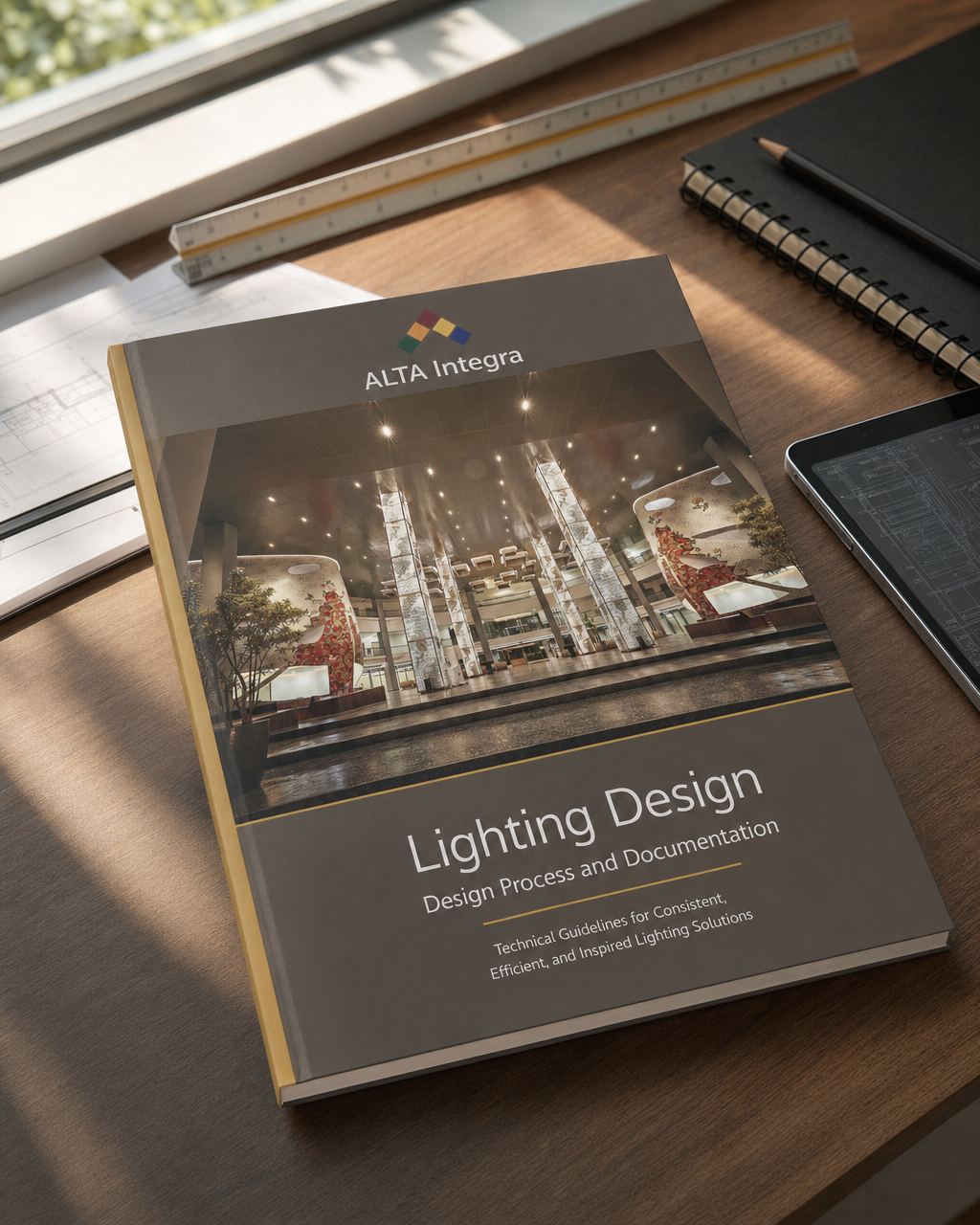
Download our lighting design process and documentation samples to help you move forward with confidence.
Big Ideas, Real Impact.
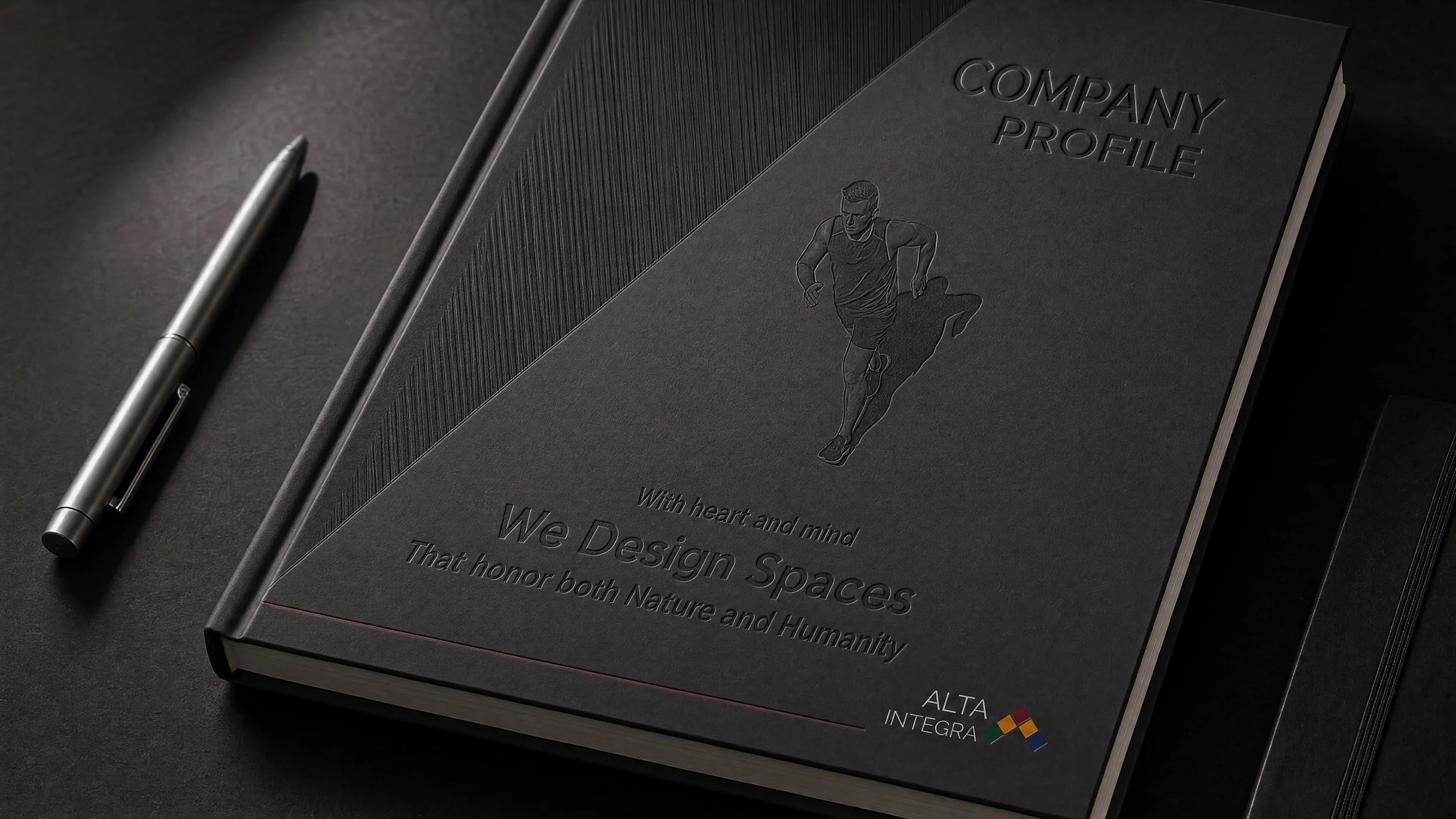
Download ALTA Integra Company Profile, Driven by curiosity and built on purpose, this is where bold thinking meets thoughtful execution.
Let’s Create Human-Centered Lighting Environments
Whether you are developing a workplace, hospitality venue, cultural space, urban environment, or entertainment facility, our special lighting design consultancy helps transform architecture into meaningful human experiences.
Explore our lighting consultancy services at:
Special Lighting Design Consultant Indonesia
Learn more about our integrated building performance consultancy at:
Herwin Gunawan Work Official Website