The Day I Realized 500 Lux Was Never the Goal
In July 2019, I had the opportunity to attend a lighting workshop at DIAL GmbH in Germany. During the workshop, Klaus Bieckmann presented DIAL's research on office lighting conducted between 2000 and 2003, explaining how the team investigated the relationship between lighting strategies, work performance, room perception, and occupant well-being. Rather than focusing solely on illuminance levels, the study examined how different combinations of direct, indirect, and accent lighting influenced people's experience of the workplace.
The research became much more tangible after the workshop presentation, when I had the opportunity to experience several lighting scenes in DIAL's own office environment, as shown later in this article.
There, I had the opportunity to see several lighting scenes demonstrated within an actual workplace. The office itself never changed. The furniture remained in the same position, the walls and ceiling were identical, and only the lighting configuration was adjusted. The transformation was remarkable.
One lighting scene made the office feel brighter, more spacious, and more welcoming. Another appeared noticeably flatter despite providing similar task illumination. Simply introducing light onto the walls added depth, visual interest, and a stronger sense of architectural character. Nothing in the room had physically changed, yet the atmosphere changed completely.
Standing in that office, one lesson became immediately clear: people respond to far more than the amount of light falling on their desks. They respond to the way light shapes the space around them.
That experience gave practical context to the research presented earlier in the workshop. The data explained how different lighting strategies influenced participants' responses, while the demonstration illustrated how those principles can be applied in a real working environment. It also reinforced a principle that has guided my approach to lighting design ever since: once basic visual requirements have been satisfied, the quality of a workplace depends not only on how much light is provided, but on how that light is composed and distributed.
Compliance Doesn't Guarantee a High-Performing Workplace
Most office lighting projects still begin with a checklist of technical requirements. Designers carefully calculate horizontal illuminance, Unified Glare Rating (UGR), Colour Rendering Index (CRI), Correlated Colour Temperature (CCT), and lighting power density to ensure the design complies with recognised standards. These metrics are fundamental, and for good reason.
Standards such as EN 12464-1, ISO 8995, and their national equivalents establish the minimum visual conditions necessary for people to perform office tasks safely, comfortably, and efficiently.
However, compliance should not be mistaken for excellence.
Lighting standards define the threshold below which visual performance may suffer, but they do not tell us how to create an office where people genuinely enjoy spending eight or more hours each day. A workplace can satisfy every technical requirement on paper while still feeling flat, uninspiring, or mentally fatiguing to its occupants.
This distinction has never been more relevant. As organisations compete to attract talent, encourage employees back into the office, and differentiate themselves through workplace quality, lighting is increasingly being recognised as a strategic component of employee experience. The question is no longer simply whether people can see well enough to work, but whether the environment supports comfort, workplace experience, and well-being throughout the working day.
Meeting a lighting standard is much like meeting a fire safety code. It establishes an essential baseline and reduces the risk of poor performance, but it does not, by itself, create an exceptional workplace. Truly high-performing offices require designers to look beyond compliance and consider how light shapes the way people perceive, experience, and ultimately value the spaces in which they work.
The Study Question DIAL Asked Was Different
The curiosity was different. Rather than asking a simple question—whether office workers could see well enough to perform their daily tasks—DIAL approached office lighting from a much broader perspective. The researchers set out to understand whether lighting influences work performance, how different lighting concepts affect occupants' perception of room quality and well-being, whether conventional office lighting solutions are genuinely preferred by users, and what happens when direct, indirect, and accent lighting are combined within the same workspace.
What makes these research questions particularly compelling is what they deliberately avoid. The study was not primarily concerned with increasing illuminance or determining whether another 100 lux would improve productivity. Instead, it explored a far more nuanced proposition: that the way light is composed and distributed throughout a space may fundamentally shape how people experience that environment.
This represents a subtle but important shift in thinking. Rather than treating lighting solely as a means of providing sufficient illumination for visual tasks, DIAL approached it as an environmental factor capable of influencing how occupants perceive and experience a workplace. This broader view aligns closely with contemporary human-centered lighting approaches, which consider not only visual performance but also the quality of the occupant experience.
A Carefully Controlled Experiment
To isolate the effect of lighting, DIAL designed a dedicated experimental office in which every variable remained constant except the lighting itself. The furniture, room layout, interior finishes, and office tasks were deliberately kept identical throughout the study, ensuring that any differences in participants' responses could be attributed to the lighting strategy rather than changes in the physical environment. This level of experimental control is significant because it allowed the researchers to evaluate the influence of lighting with far greater confidence than would be possible in a typical occupied workplace.
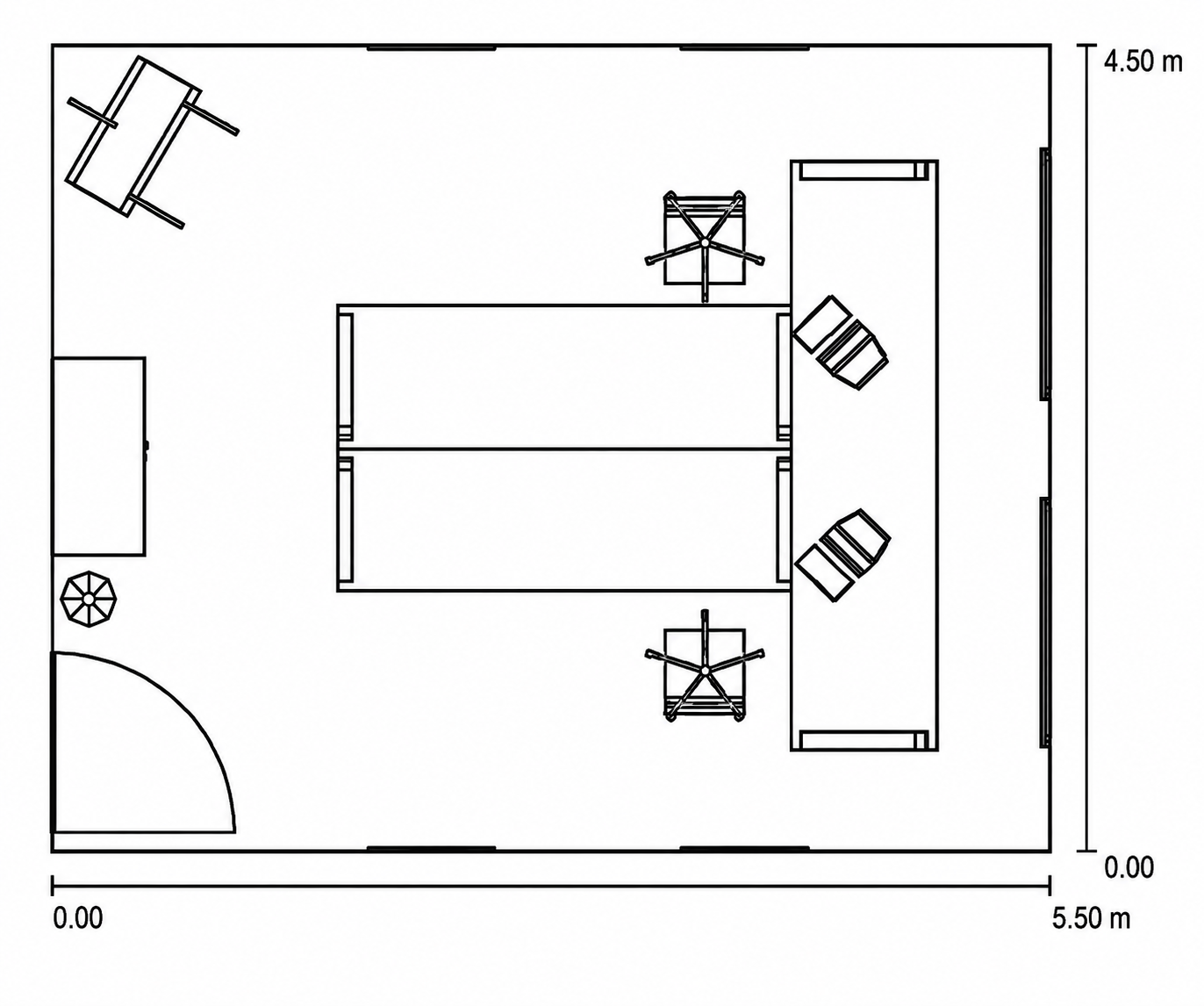
The study involved 44 participants—18 women and 26 men—with an average age of 42 years. Each participant performed familiar office activities, including reading printed documents and text displayed on a computer monitor, while simultaneously assessing their perception of the surrounding space.
What distinguishes this research is that it looked beyond visual task performance alone. The researchers evaluated both functional outcomes, such as reading performance, and psychological responses, including perceived brightness, room attractiveness, feelings of activation, and overall well-being. This broader evaluation reflects a more sophisticated understanding of workplace lighting. Rather than treating light solely as a tool for seeing, DIAL recognised it as an environmental factor capable of shaping how people perceive, feel, and experience the workplace itself.
Four Lighting Strategies—One Important Lesson
Rather than comparing different illuminance levels, DIAL focused on something far more relevant to architectural lighting design: how light is distributed throughout a space. Each experimental condition maintained the same office environment while systematically changing the composition of light. The simplest arrangement relied solely on direct lighting aimed at the workstation. A second configuration introduced indirect uplighting, transforming the ceiling into a large reflective surface that contributed to the room's overall brightness. A third retained the same direct task lighting but added accent lighting to illuminate the walls, while the final arrangement combined direct task lighting, indirect ceiling illumination, and wall accent lighting to create a fully layered lighting environment.
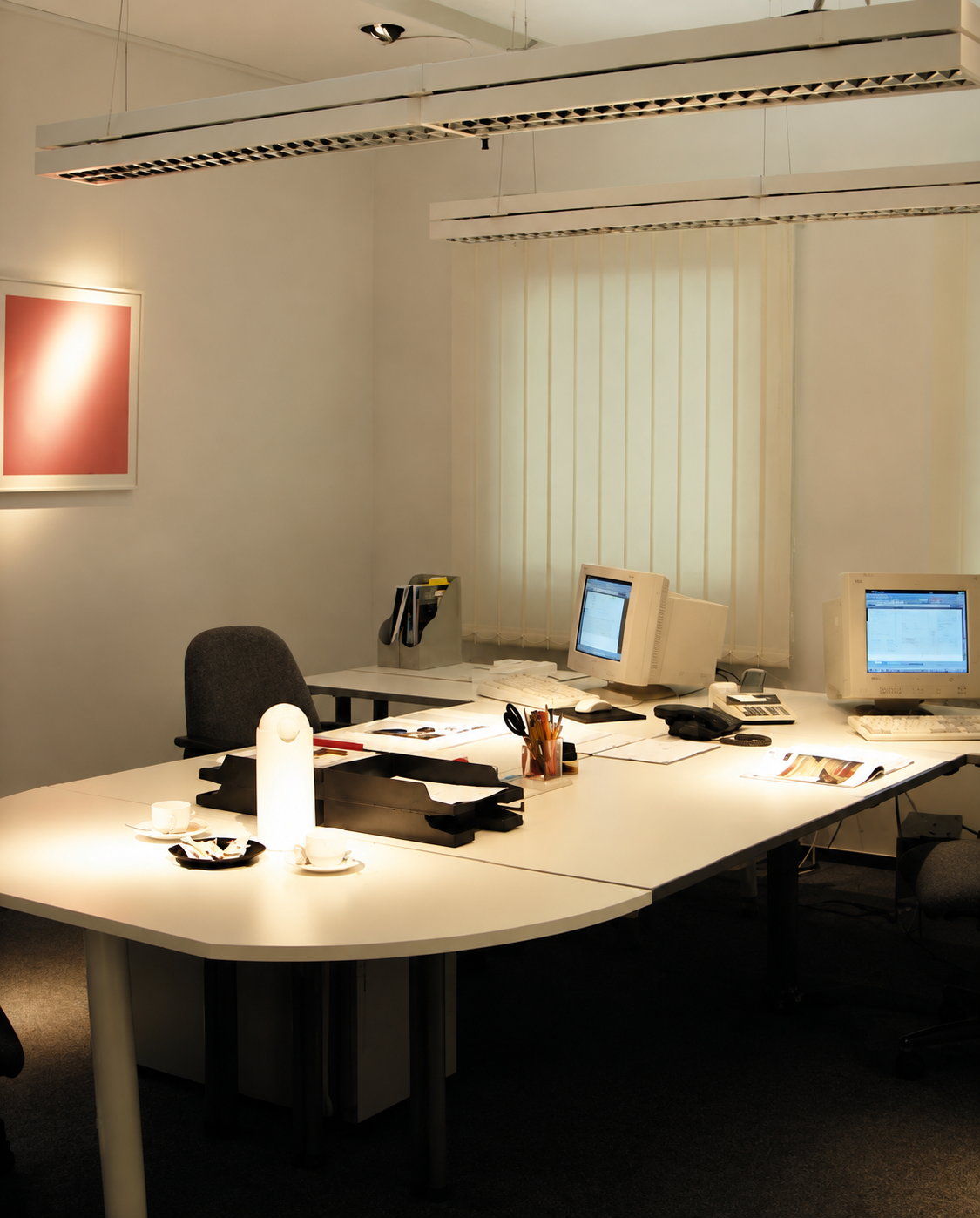
From an engineering perspective, these changes might appear relatively modest. No walls were moved, no finishes were replaced, and no furniture was rearranged. The intervention was simply a different distribution of light within the same architectural space. Yet this is precisely what makes the study so compelling.
For the occupants, each additional lighting layer noticeably changed the character of the room. Illuminating the ceiling and vertical surfaces noticeably changed participants' perception of the room. By combining direct, indirect, and accent lighting, the researchers demonstrated, within this experimental setting, that perceived office quality was influenced not only by light quantity but also by its spatial distribution. The architecture remained exactly the same; the experience of the architecture did not.
What the Results Actually Showed
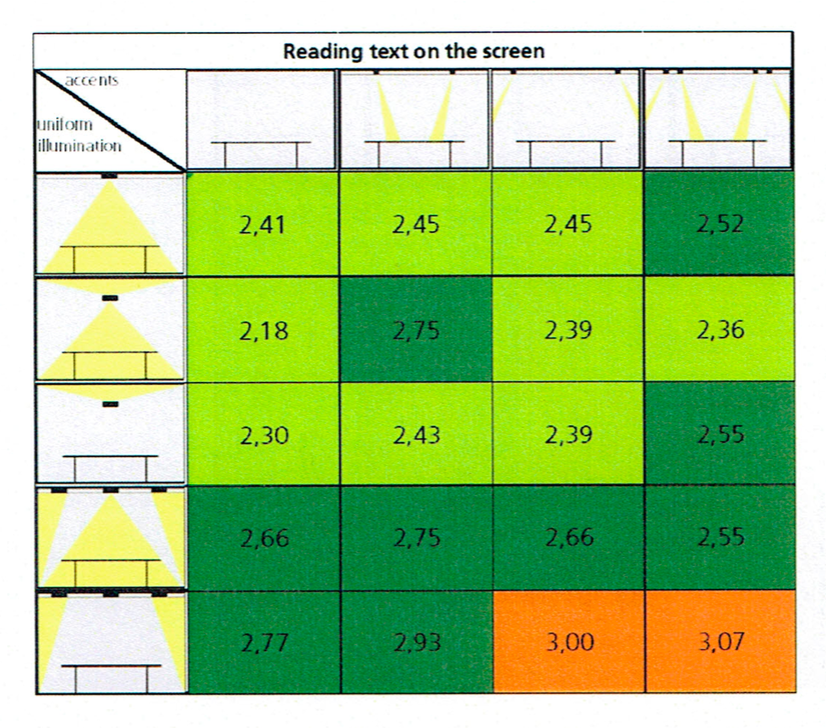
One of the greatest strengths of the DIAL study is its restraint. Rather than making sweeping claims about lighting and productivity, the researchers reported findings that are both measured and credible. Contrary to many marketing narratives surrounding human-centered lighting, the study did not conclude that one lighting strategy dramatically improves work performance. For both paper-based reading and computer-based tasks, differences between the lighting concepts were observed, but they remained relatively modest.
This is an important distinction. Once appropriate task lighting has been achieved, visual performance alone appears to offer diminishing returns. Within the conditions tested, changes in lighting distribution produced only modest differences in reading performance. From a design perspective, this suggests that meeting visual requirements is only the beginning of creating a high-quality workplace—not the end of it.
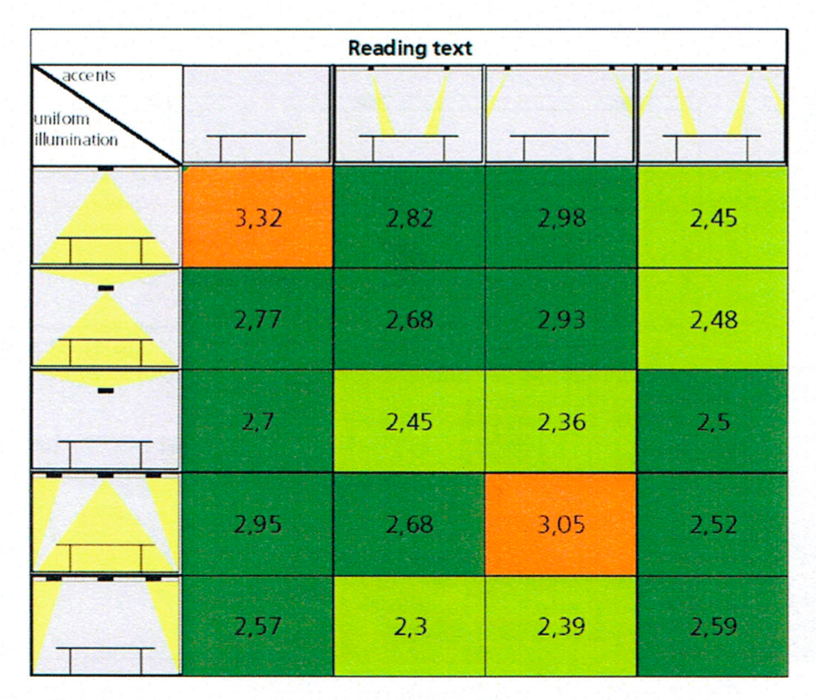
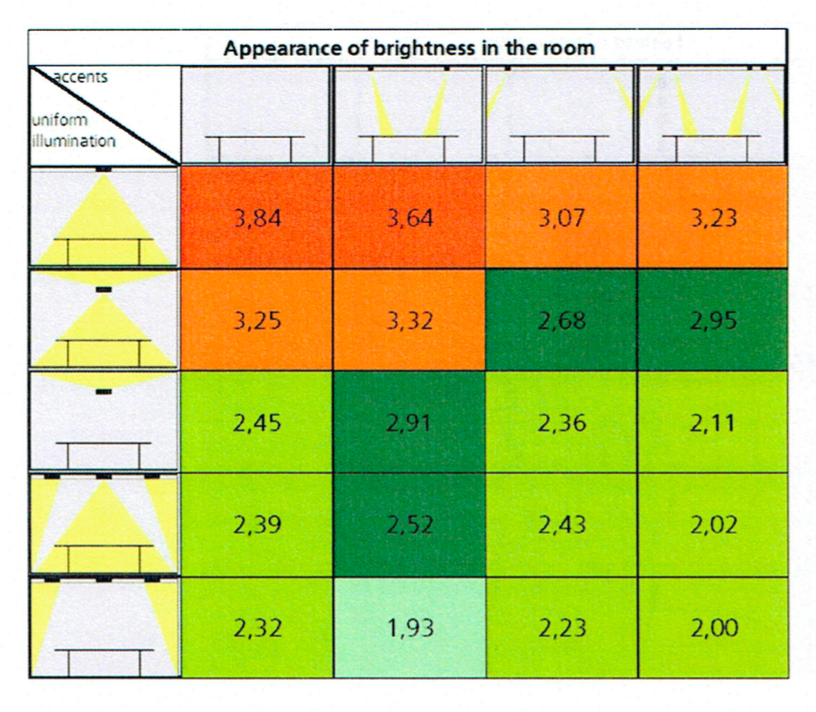
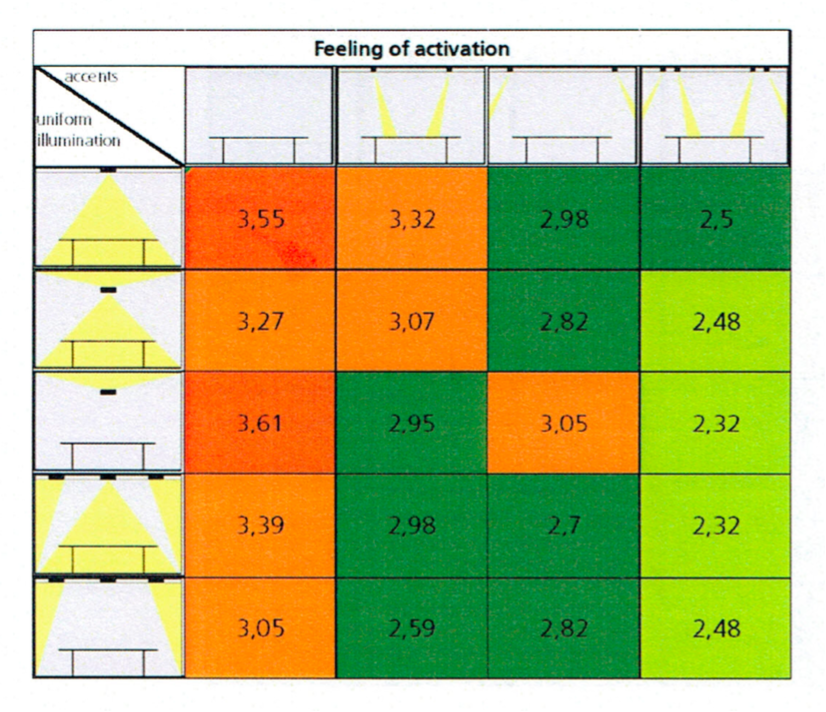
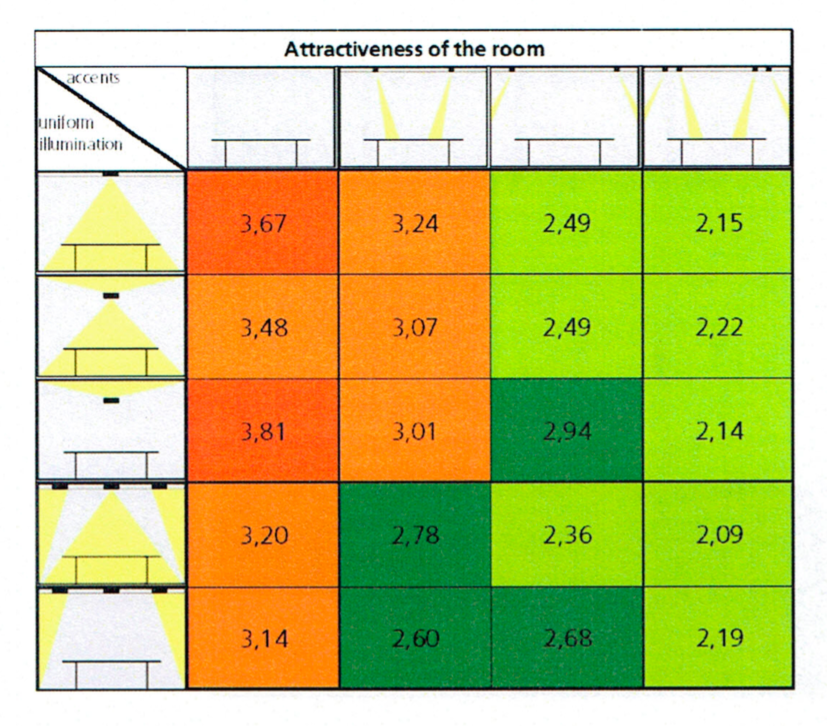
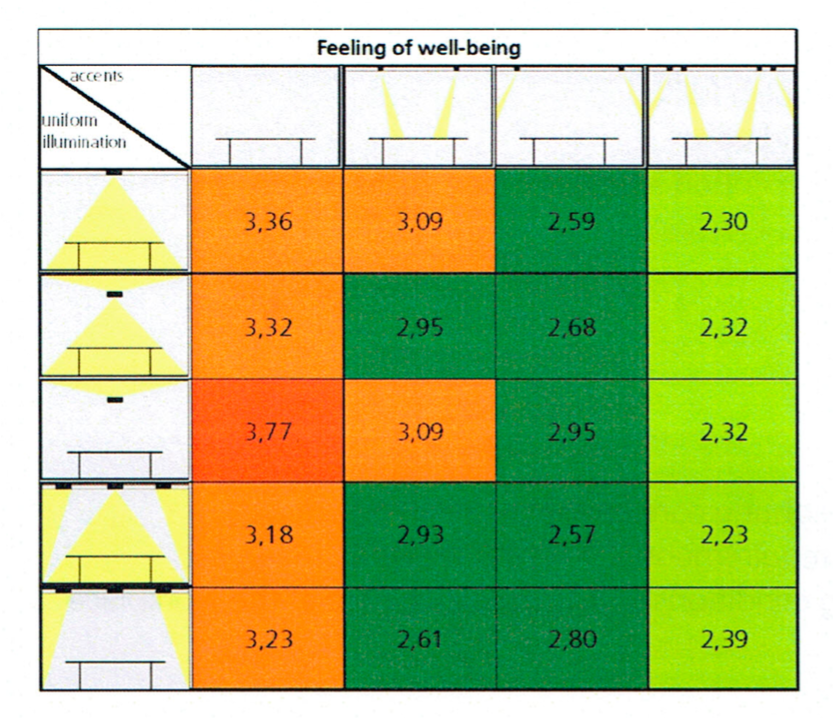
The more compelling findings emerged when participants were asked how the different environments made them feel. Across multiple lighting configurations, occupants generally rated certain spaces as brighter, more attractive, more activating, and more supportive of their overall well-being. The physical room never changed; only the lighting composition did. Yet those relatively subtle adjustments noticeably altered how people perceived and experienced the same architectural space.
The DIAL researchers interpret the result that conventional office lighting concepts may satisfy technical requirements but do not necessarily create a workplace where employees feel their best. Participants generally perceived standard lighting environments as less supportive of well-being, prompting the researchers to question whether more engaging lighting environments could also improve employee contentment—and, ultimately, workplace productivity and efficiency. These latter outcomes were presented as opportunities for further exploration rather than definitive conclusions.
The researchers suggested that adding accent lighting to the workplace environment offers significant untapped potential. Rather than relying on a single, static lighting system, DIAL advocates a layered approach that combines multiple lighting components and allows occupants to adjust the environment according to their needs. Such flexibility recognises that different activities and individuals require different lighting conditions throughout the working day.
Perhaps the most forward-looking message from the research is that office lighting still has considerable unrealised potential. Better lighting design may contribute to higher employee motivation and improved workplace performance while creating value for businesses and encouraging innovation within the lighting industry. Although these broader business outcomes were not directly measured in the study, DIAL identified them as important directions for future development and research.
The Most Valuable Finding Wasn't About Lux—It Was About Layering
One of the most enduring lessons from the DIAL study is that the quality of an office environment depends less on the quantity of light than on how that light is composed. As lighting designers, we naturally devote significant effort to calculating horizontal illuminance across the workplane because that is what standards require us to measure. Yet occupants do not experience architecture by looking down at their desks for eight hours a day.
Instead, they experience the room as a whole. Their eyes continuously scan walls, ceilings, faces, circulation paths, and surrounding objects, while peripheral vision quietly constructs an overall impression of the space. This broader visual experience explains why lighting distribution often has a greater influence on perceived environmental quality than another incremental increase in desktop illuminance.
The DIAL study demonstrates that the way light is distributed throughout a room can substantially influence how occupants perceive the space. By introducing indirect ceiling illumination and wall accent lighting, the researchers created lighting environments that participants generally rated more positively in terms of brightness, attractiveness, activation, and well-being than conventional lighting concepts. Rather than serving only to illuminate visual tasks, layered lighting can add visual hierarchy and may reinforce the architectural character of a space. In this way, light becomes more than an engineering parameter—it becomes a design medium that shapes how people experience the built environment.
This is where architectural lighting fundamentally diverges from electrical lighting. Electrical design begins with an essential engineering question: "How much light do we need?" Architectural lighting asks something altogether different: "Where should the light go?" The first ensures visual adequacy. The second extends that objective by considering how people experience the space. Understanding the difference is what separates a technically compliant lighting installation from one that genuinely enhances the quality of the workplace.
Why This Matters for Developers and Corporate Real Estate
The implications of the DIAL study extend well beyond lighting design. They speak directly to how premium office buildings compete in an increasingly experience-driven market. Today, employees evaluate workplaces on more than location, rental rates, or workplace amenities. They also judge how an environment makes them feel over the course of a typical working day—whether it feels energising or fatiguing, welcoming or sterile, inspiring or monotonous.
That shift has changed the competitive landscape. For property developers, workplace quality has become a key differentiator in attracting and retaining tenants. For corporate occupiers, it has become an essential component of employee experience, supporting talent attraction, engagement, and return-to-office strategies. Lighting may not be the first feature people notice when entering a workplace, but it quietly shapes their perception of almost every other aspect of the environment.
One of the most compelling aspects of layered lighting is its ability to enhance the perceived quality of a workplace through thoughtful light distribution rather than architectural alteration. A brighter ceiling can help a compact office feel more spacious, while carefully illuminated vertical surfaces draw greater attention to architectural features, artwork, and material finishes. Accent lighting introduces visual hierarchy, transforming an otherwise ordinary workspace into an environment that feels intentional, refined, and professionally designed. For developers and workplace designers, this illustrates that lighting is not merely a technical service—it is a design medium capable of elevating how an office is experienced.
These improvements are often difficult for occupants to describe in technical terms, but they are immediately recognisable in experience. Tenants may never comment on vertical illuminance or luminance distribution, yet they instinctively recognise a workplace that feels brighter, more comfortable, and more engaging. In the premium commercial office market, those perceptions increasingly influence how buildings are valued, remembered, and ultimately chosen.
What Good Office Lighting Looks Like Today
The DIAL study strongly suggests a high-performing workplace cannot rely on a single layer of uniform illumination. While uniform lighting may satisfy technical requirements, it rarely delivers the richness, spatial clarity, or visual comfort that people associate with exceptional workplaces. Contemporary office lighting should instead be conceived as a layered composition in which different lighting elements work together to support both functional performance and human experience.
The foundation remains excellent task lighting. Every workplace should first provide sufficient illumination for visual activities while complying with recognised standards for visual comfort and performance. Once that baseline has been achieved, the focus should shift from adding more light to distributing it more intelligently. Illuminating the ceiling may help create a greater sense of openness and can reduce visual fatigue by balancing luminance throughout the room. Brightening vertical surfaces improves spatial perception, enhances orientation, and makes the architecture itself more legible. Rather than striving for perfectly uniform illumination, designers should introduce controlled contrast and carefully positioned focal points that add depth, visual hierarchy, and interest to the environment.
Equally important is recognising that occupants do not all experience lighting in the same way. Wherever practical, workplaces should provide users with some degree of personal control over their lighting environment, allowing individuals to adjust lighting conditions to suit their tasks, preferences, or comfort throughout the day. This flexibility acknowledges one of the central conclusions of the DIAL research—that no single lighting solution can optimise visual performance, spatial perception, and well-being for every occupant.
Modern frameworks such as the WELL Building Standard extend this human-centered philosophy by recognising that lighting influences far more than visual acuity. It also affects comfort, satisfaction, and the overall workplace experience. The most successful office lighting designs therefore move beyond engineering compliance to create environments that people not only see clearly, but genuinely enjoy inhabiting.
The Bigger Lesson: Lighting Standards Tell You How Much Light to Provide. Human-Centered Design Asks Where It Should Go.
The most important takeaway from the DIAL study does not lie in any single chart or performance graph. It emerges from the researchers' interpretation of the findings. After evaluating how different lighting strategies influenced visual tasks, room perception, and occupant well-being, DIAL concluded that conventional office lighting still leaves considerable untapped potential. Rather than relying on static lighting installations, the researchers advocated combining multiple lighting components and making them easier for occupants to adjust according to their individual needs. They further suggested that better lighting environments could contribute not only to employee motivation and workplace performance, but ultimately to improved business outcomes.
Equally significant was the acknowledgement that no single lighting solution can simultaneously optimise visual conditions, spatial perception, and individual well-being for every person. People perform different tasks, respond differently to their environments, and have varying visual preferences throughout the day. The future of office lighting, therefore, does not lie in searching for one perfect specification. It lies in creating user-optimised lighting concepts that can adapt to different activities, different spaces, and different occupants.
More than two decades after the research was conducted, that conclusion feels remarkably prescient. The conversation within the building industry has steadily evolved. Success is no longer measured solely by illuminance levels or compliance with technical standards. Instead, the focus has shifted towards creating workplaces that support experience, health, satisfaction, and organisational performance. In other words, the industry has moved beyond asking how much light a workplace requires and has begun asking how light can contribute to a better place to work.
A Final Thought
When I attended DIAL's workshop in 2019, I left with a deeper appreciation for what lighting can achieve. I was not thinking about lux values, glare ratings, or photometric calculations. I was thinking about perception.
The office itself had not changed. The floor plan remained identical. The furniture stayed in the same position. The finishes were untouched, and no architectural elements had been altered. Yet simply changing the composition of light transformed the character of the space. One lighting strategy made the room feel calm and spacious, another more engaging and visually stimulating, even though the physical environment was exactly the same.
That experience reinforced a lesson that continues to shape my approach to building performance consulting. From my point of view, people rarely remember whether an office achieved precisely 500 lux on the workplane. They remember whether the environment felt comfortable, energising, welcoming, and somewhere they genuinely wanted to spend their day.
For developers, architects, corporate real estate leaders, and workplace designers, that may be the most valuable insight of all. The true performance of office lighting is measured not only by what the light enables people to see, but by how it shapes the way they experience the workplace. In an era where buildings increasingly compete on occupant experience rather than floor area alone, that distinction is no longer an architectural luxury—it is a strategic advantage.
From Laboratory Findings to Everyday Practice
One of the most memorable moments during my visit to DIAL GmbH was watching Cornelia Wuttke demonstrate a series of lighting scenes within DIAL's own office environment. Unlike the controlled laboratory used for the formal research, this was a real workplace occupied every day by architects, lighting designers, and software developers. The furniture remained exactly where it was. The workstation layout did not change. The walls, ceiling, finishes, and even the objects on each desk were untouched. Throughout the demonstration, only one variable changed: the way light was distributed within the space.
The transformation was immediate.

The office was illuminated solely by daylight entering from outside the building.
With a predominantly direct lighting scheme, the office felt technically adequate but visually restrained. When indirect uplighting was introduced, the ceiling became brighter and the room immediately appeared more spacious and comfortable. As accent lighting illuminated the walls, the office gained depth, character, and a stronger architectural presence. Nothing in the room had physically changed, yet each lighting scene created a distinctly different atmosphere. The space alternated between feeling efficient, welcoming, calm, or visually engaging—not because of different furniture or finishes, but because of different lighting compositions.

The office was illuminated by natural daylight supplemented with indirect uplighting.
What struck me most was that the changes were subtle rather than dramatic. No individual luminaire demanded attention, and there was no theatrical effect. Instead, the lighting quietly altered how the architecture was perceived. The eye naturally travelled beyond the desktop to the surrounding walls, ceiling, and peripheral field of view, creating a richer and more balanced spatial experience. It was a powerful reminder that people rarely perceive light as isolated beams or fixture outputs; they perceive the environment that light creates.
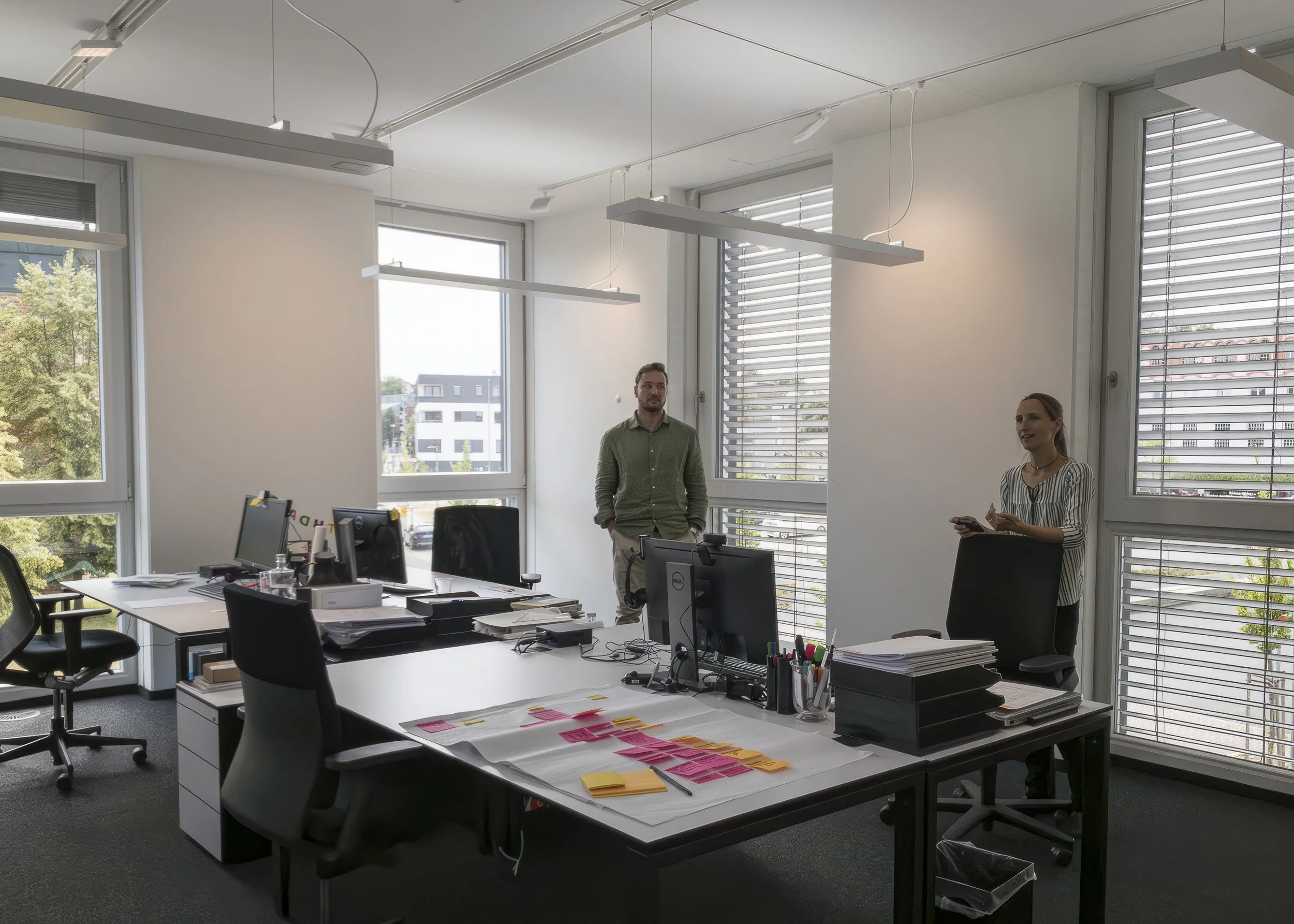
The office was illuminated by natural daylight, indirect uplighting, and wall accent lighting.
Standing in that office, I realised that we often spend too much time discussing how much light reaches the work surface and too little time considering where the light is placed. The demonstration reinforced a principle that has guided my lighting design philosophy ever since: Occupants do not consciously experience lux values—they experience the spaces those lighting decisions create. When light is thoughtfully layered across horizontal and vertical surfaces, it can transform the character of a workplace without changing a single piece of architecture.
That experience became the perfect complement to DIAL's research. The laboratory study provided the evidence; the office demonstrated how those findings translate into everyday practice. Together, they illustrated a lesson that remains highly relevant today: the quality of workplace lighting is determined not only by its intensity, but by its composition.

The office was illuminated by natural daylight, indirect uplighting, reading downlight, and wall accent lighting.
Designing How Buildings Feel
Lighting is more than an engineering system. It is one of the most powerful tools for shaping how people perceive, experience, and remember a building.
At ALTA Integra, we believe exceptional workplaces emerge when architecture, lighting, acoustics, thermal comfort, and technology are designed as one integrated human experience—not as isolated disciplines.
If you're seeking a lighting strategy that goes beyond compliance to deliver measurable value for occupants and assets alike, we'd be delighted to discuss your project.
Contact ALTA Integra to explore a human-centered lighting design strategy for your next development.