DIAL Expert in Lighting Design Workshop: Advancing Architectural Lighting Expertise
The seminar focuses on light.
As architecture continues evolving toward more sustainable, human-centered, and technology-driven environments, lighting design plays an increasingly important role in shaping how people experience space. Beyond providing illumination, light influences perception, comfort, well-being, productivity, spatial identity, energy performance, and the emotional quality of the built environment. Contemporary lighting design requires a balance between technical precision, architectural integration, environmental responsibility, and human experience.
As part of our commitment to continuous professional development and global knowledge exchange, we participated in the DIAL Expert Lighting Design Workshop in Lüdenscheid, Germany. Organized by DIAL Academy, one of Europe’s recognized education platforms for lighting technology and lighting design, the workshop focused on advancing professional understanding of architectural lighting, lighting planning methodologies, design concepts, visual perception, and the integration of lighting within contemporary architecture. DIAL Academy provides training for architects, lighting designers, engineers, interior designers, and building professionals, combining technical knowledge with practical design applications.
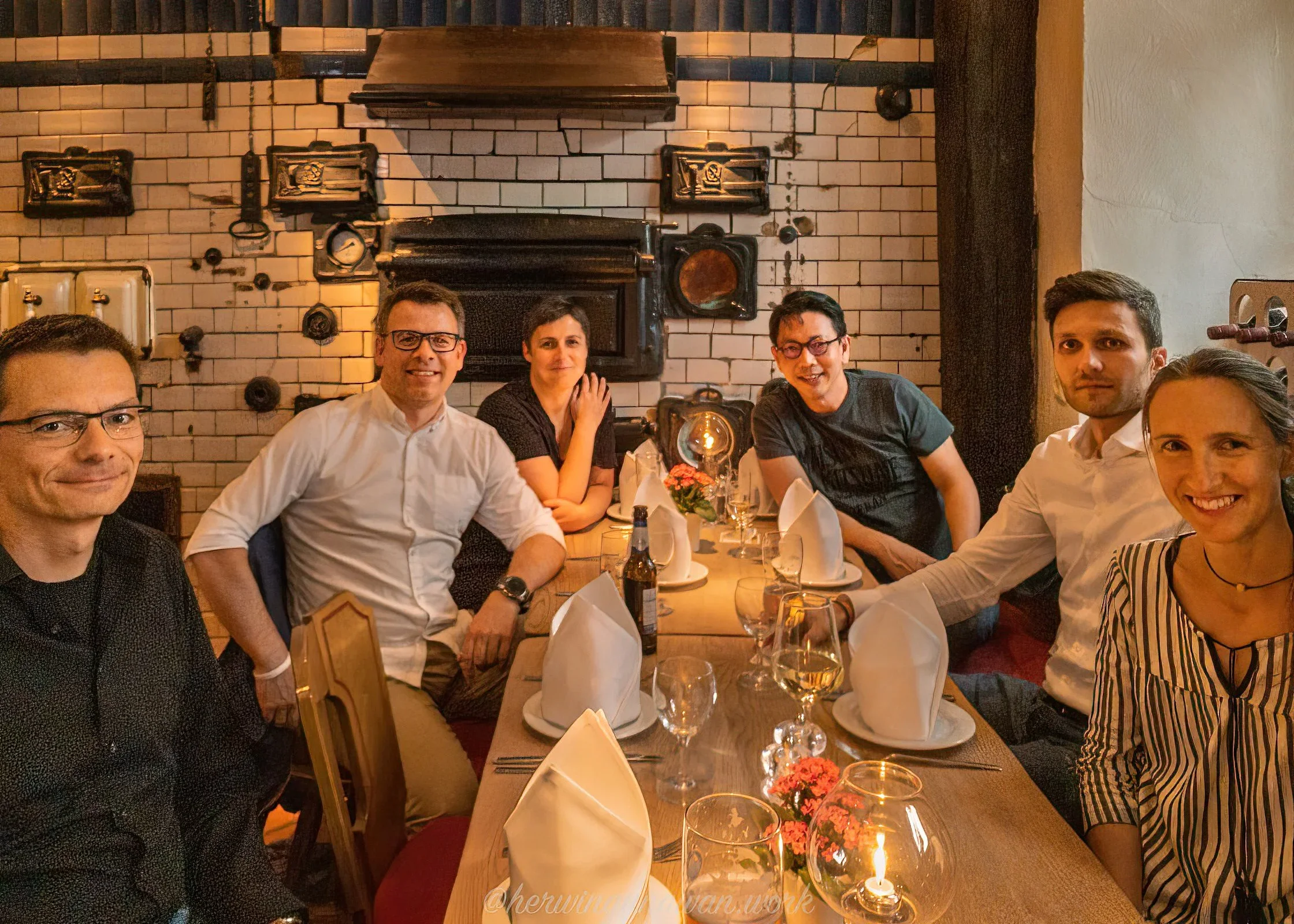
Left to Right: Klaus (Dial), Pawel Dywelski (Poland), Ginette Bastin (Belgium), Herwin Gunawan (Indonesia), Tiberiu Badea (Roman), Conny (Dial)
The workshop provided valuable insight into the complete lighting design process, from architectural analysis and conceptual development to calculation, visualization, presentation, and implementation. A key focus of the program was understanding how lighting should respond not only to technical requirements, but also to spatial function, user behavior, visual comfort, and human needs. This approach reflects the growing evolution of lighting design from purely engineering-based calculations toward experience-driven environmental design.
One of the most important lessons from the workshop was the relationship between light and architecture. Effective lighting design is not simply about achieving target illuminance levels. Instead, it involves understanding how light interacts with materials, surfaces, proportions, circulation paths, focal points, and human perception. Through architectural lighting strategies, designers can influence atmosphere, orientation, visual hierarchy, spatial identity, and overall user experience. Architectural lighting design increasingly combines both technical and artistic disciplines to support functional, visual, and non-visual aspects of human well-being.
The workshop also highlighted the growing importance of digital lighting technologies and simulation tools in modern practice. Through DIAL’s ecosystem, lighting professionals are able to model, calculate, visualize, and evaluate lighting performance across interior, exterior, emergency, daylighting, and urban environments. Digital lighting workflows allow project teams to test design strategies, verify performance standards, optimize energy use, and communicate design intent more effectively throughout project development. DIAL’s lighting software platform is used by hundreds of thousands of lighting designers, architects, and engineers worldwide, making it one of the most influential tools within the lighting industry.


Another significant theme throughout the workshop was the role of lighting in supporting healthier and more sustainable environments. Discussions around visual comfort, glare control, daylight integration, energy efficiency, human-centric lighting, and environmental responsibility reinforced the importance of considering lighting as part of a broader building performance strategy. As buildings increasingly pursue wellness, sustainability, and occupant-focused design objectives, lighting becomes a critical component in achieving both environmental and human-centered outcomes.
For our practice, participation in the DIAL Expert Lighting Design Workshop provided valuable opportunities to deepen technical expertise while strengthening the connection between lighting design, architecture, and occupant experience. The experience reinforced the importance of integrating design thinking with technical knowledge to create environments that are not only visually compelling, but also comfortable, efficient, and meaningful for the people who use them.
As lighting technology continues evolving through digital innovation, smart building integration, sustainability requirements, and wellness-focused design approaches, continuous learning remains essential. The DIAL Expert Lighting Design Workshop offered valuable insight into how future lighting design can contribute to healthier, more adaptive, and higher-performing built environments while maintaining a strong focus on human experience and architectural quality.
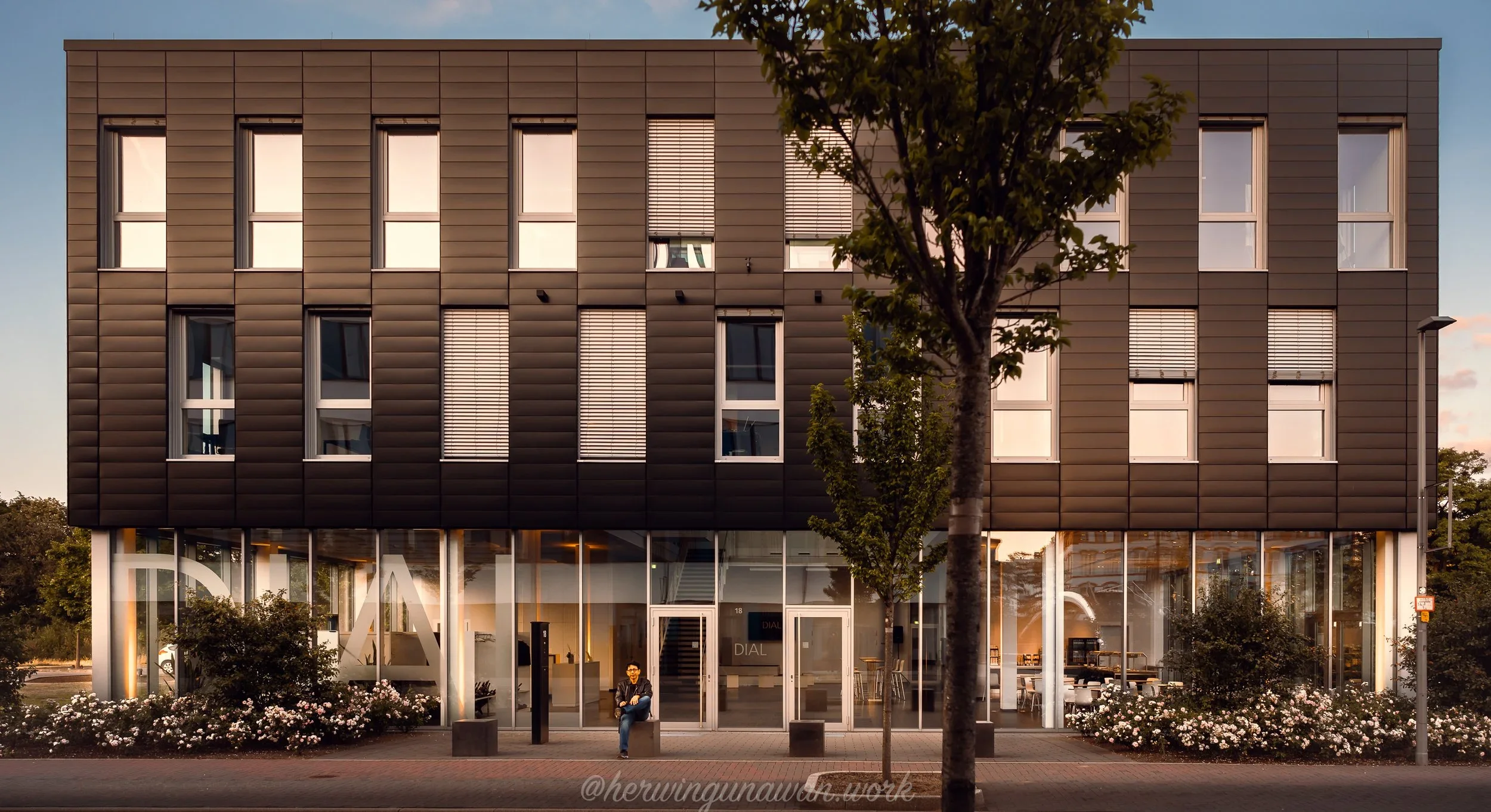
About DIAL Academy - Expert in Lighting Design Workshop 2019
A German company that develop DIALux lighting design software, held DIAL Expert Lighting Design Course on 8 - 12 July 2019. The workshop taught about lighting design, lighting technology, and building automation. “In DIAL Academy I have learned how to optimally plan light, understand and control intelligent buildings”
We learned to analyze architecture, consider the utilization of the space and human needs, and design optimal lighting. We worked on real projects with pen and paper. In DIAL own laboratory, we experienced the effectiveness and effect of light. DIAL trainer Klaus and Conny trained us for all stages from the concept to the presentation and implementation. Since DIAL are free of obligation to any manufacturer, questions about products and trends are answered honestly with no holds barred.