Speaking Engagement: Exploring the Intersection of Architecture, Interior Design, and Acoustics for Human-Centered Environments
As the built environment continues to evolve, the relationship between architecture, interior design, and acoustics has become increasingly important in shaping how people experience space. Contemporary design is no longer evaluated solely through aesthetics or functionality. The quality of a space is now closely connected to comfort, communication, well-being, productivity, privacy, and the overall human experience. Acoustic performance plays a critical role within this multidisciplinary process, influencing how people interact, concentrate, collaborate, learn, work, and connect within their environments.
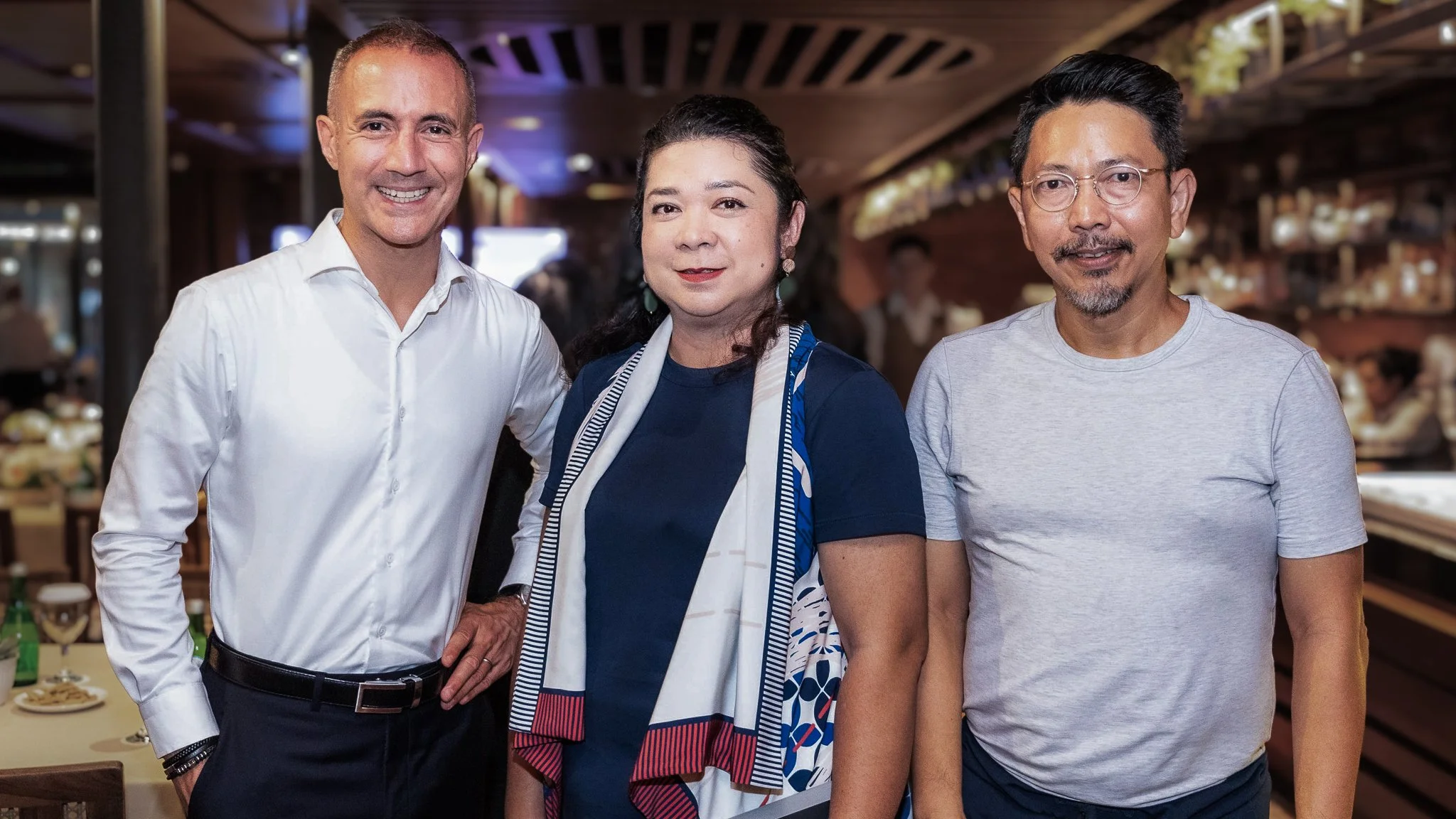
Giles Marino - Clestra Asia Pacific (Clestra Product Speaker), Feriesca Sarah - CDA International (Moderator), Herwin Gunawan - ALTA Integra (Keynote Speaker)
It was an honor to participate as a speaker in the Clestra Talkshow, “Explore and Harmonize: The Integration of Architecture, Interior, and Acoustic Design,” alongside leading architects, interior designers, project managers, and industry professionals in Indonesia. The discussion explored how architectural planning, interior design strategies, material selection, workspace solutions, and acoustic engineering can work together to create environments that are not only visually compelling, but also comfortable, functional, and responsive to human needs. The event was moderated by Feriesca Sarah Kusumapratiwi, an experienced interior design professional, and featured contributions from Gilles Marino, Managing Director of Clestra South Asia, who shared perspectives on integrating architectural design requirements with acoustic performance solutions.
One of the key themes discussed during the session was the growing importance of designing spaces through a holistic performance perspective. While architecture often defines spatial identity and interior design shapes user interaction, acoustics determines how a space is experienced through communication, concentration, privacy, and emotional comfort. In workplaces, hospitality environments, educational facilities, healthcare spaces, cultural venues, and public buildings, acoustic quality directly affects occupant satisfaction and overall environmental performance.

Herwin Gunawan, Andra Matin
The conversation also highlighted how modern design challenges increasingly require collaboration across multiple disciplines. Architects, interior designers, acoustic consultants, lighting designers, building engineers, and technology specialists must work together from the earliest stages of design to achieve successful outcomes. As buildings become more flexible, connected, and human-centered, the integration of acoustic performance can no longer be treated as an afterthought. Instead, it must be embedded within the design process as part of a broader strategy focused on occupant well-being, productivity, inclusivity, and sustainability.

Herwin Gunawan, Gregorius Supie Yolodi, Hendry Handojo, Mirza Lesmono
Another important discussion centered on the evolution of workplace environments and commercial interiors. The rise of hybrid working models, collaborative spaces, flexible layouts, and wellness-focused design has increased the demand for better acoustic planning. Sound privacy, speech intelligibility, noise control, and environmental comfort are becoming essential considerations in shaping effective workplaces. The integration of architectural systems, interior materials, modular solutions, and acoustic strategies plays a major role in supporting both organizational performance and user experience.

Feriesca Sarah, Louisa Sutanto, Herwin Gunawan, Felicia
For our practice, speaking engagements such as this provide valuable opportunities to exchange knowledge, bridge disciplines, and promote greater awareness of how building physics influences everyday human experience. Acoustic design is often invisible when executed successfully, yet its impact can be profound across health, communication, learning performance, productivity, and overall environmental quality.

Group Photo with Indonesia Famous Architect and Interior Design
The event reinforced a fundamental belief that great design is not created through architecture, interiors, or acoustics alone. The most successful environments emerge when these disciplines are thoughtfully integrated to create spaces that perform holistically, support human well-being, and deliver meaningful experiences for the people who use them every day.
It’s an honor to share my experience in Explore and Harmonize the Integration of Architecture Interior and Acoustic Design for Total Experience with Indonesia’s Famous Architects, Interior Designers, and Project Management Professional with co-speaker Giles Marino from Clestra Asia Pacific and Moderate by Feriesca Sarah from CDA International. Clestra Talkshow 26 September 2024 at Hutan Kota by Plataran. References: https://www.linkedin.com/posts/clestra-hauserman_architect-architecture-interior-activity-7252604282095431682-7l_d/