Technology Update: Exploring Audiovisual Innovation at InfoComm Asia 2024
As buildings continue evolving into more connected, intelligent, and experience-driven environments, audiovisual technology is becoming an increasingly important component of the built environment. Beyond traditional presentation systems, modern AV technologies now influence workplace collaboration, digital communication, immersive experiences, smart building integration, education, hospitality, entertainment, and user engagement. Understanding these developments is essential for creating environments that support both technological performance and human experience.
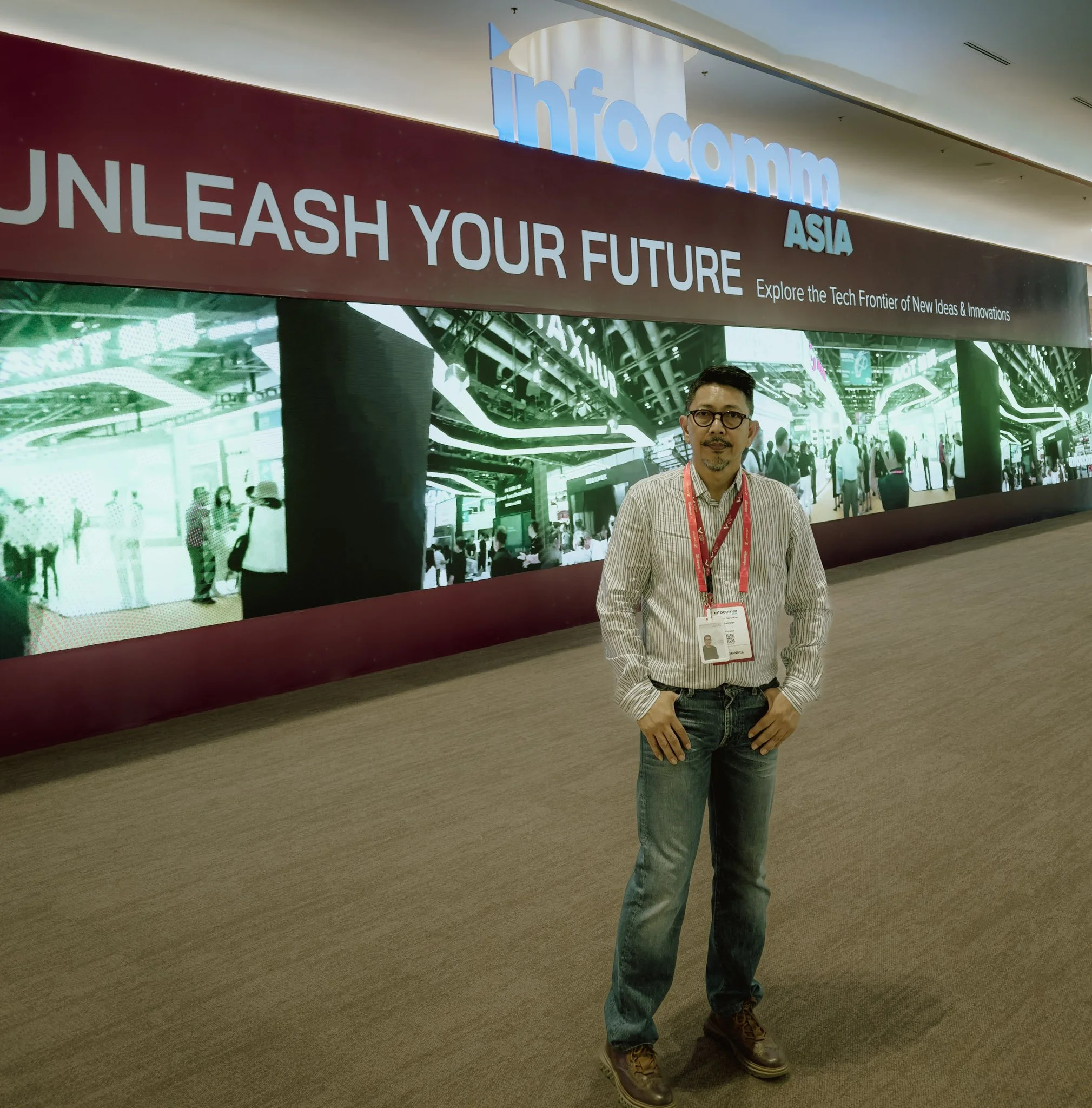
As part of our commitment to continuous learning and global industry engagement, we attended InfoComm Asia 2024 in Bangkok, Thailand, one of Asia's leading professional audiovisual and integrated technology events. The exhibition brought together technology innovators, manufacturers, system integrators, consultants, and end users from across the Asia-Pacific region to explore the latest developments in audiovisual systems, unified communications, digital experiences, immersive technologies, intelligent workplaces, and smart building solutions. The 2024 edition attracted 8,817 unique visitors from more than 50 countries, representing a 21% increase in attendance compared to the previous year.
The event provided valuable exposure to emerging technologies that are transforming how people communicate, collaborate, and interact with spaces. Exhibits and technical sessions showcased advancements in digital signage, immersive visual systems, spatial audio technologies, collaboration platforms, control systems, LED display technologies, workplace communication solutions, artificial intelligence applications, and integrated experience technologies. These innovations demonstrate how AV systems are increasingly becoming part of a broader ecosystem that connects architecture, technology, user experience, and operational performance.
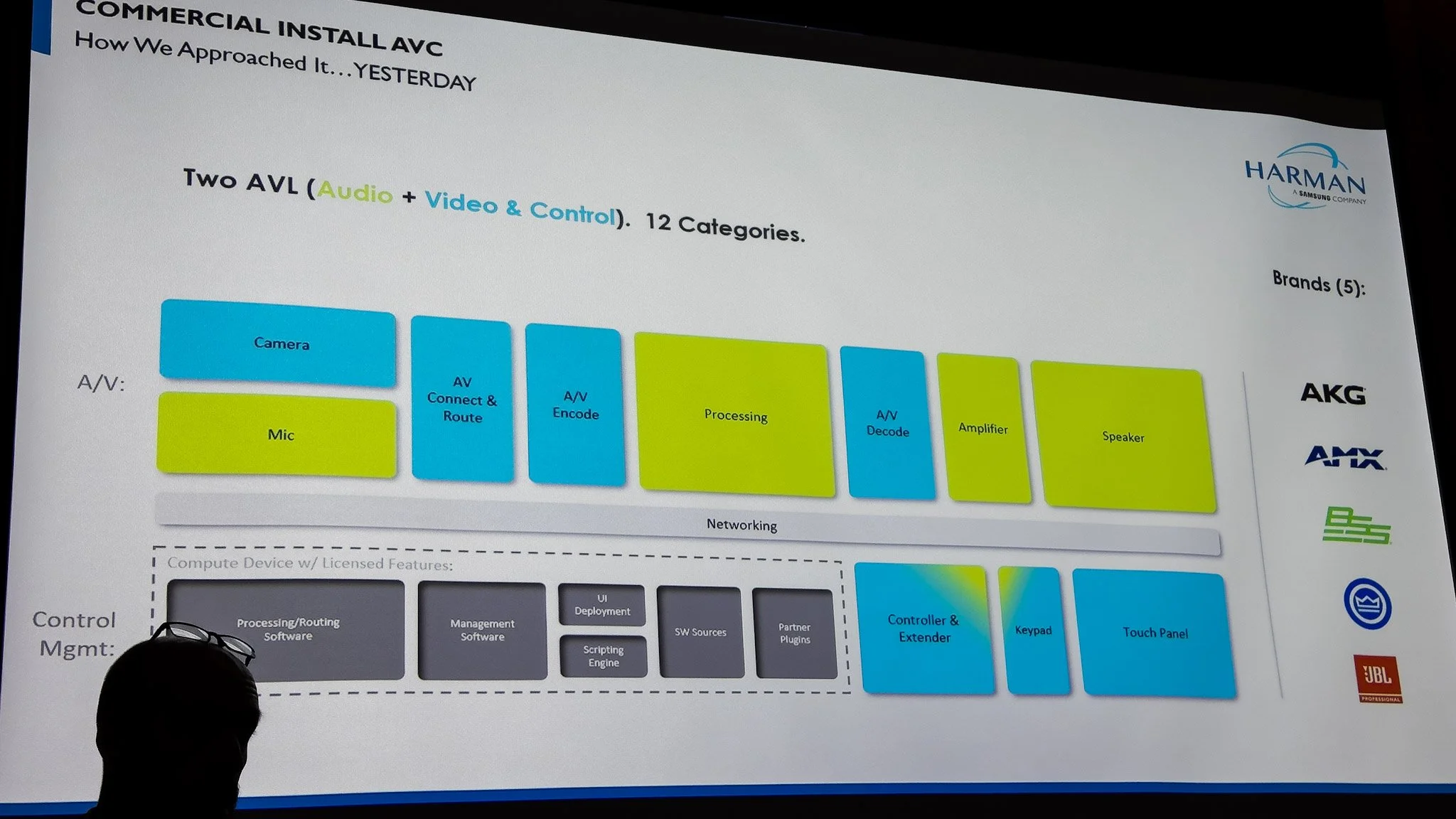
One of the most significant observations from InfoComm Asia 2024 was the growing convergence between audiovisual technology and smart building design. Modern workplaces, educational facilities, hospitality environments, transportation hubs, command centers, and public spaces increasingly require seamless integration between AV infrastructure, information technology, environmental systems, and user-centered design strategies. As organizations continue adapting to hybrid work models and digital transformation initiatives, integrated technology solutions play a critical role in enhancing communication, flexibility, and operational efficiency.
The event also highlighted the growing importance of experience-driven environments. Today's users expect spaces that are intuitive, connected, interactive, and responsive. Whether through immersive media, intelligent collaboration tools, dynamic digital displays, or integrated communication systems, technology is increasingly shaping how people perceive and engage with the built environment. These developments reinforce the need for multidisciplinary collaboration between architects, acoustic consultants, lighting designers, AV specialists, building engineers, and technology integrators.
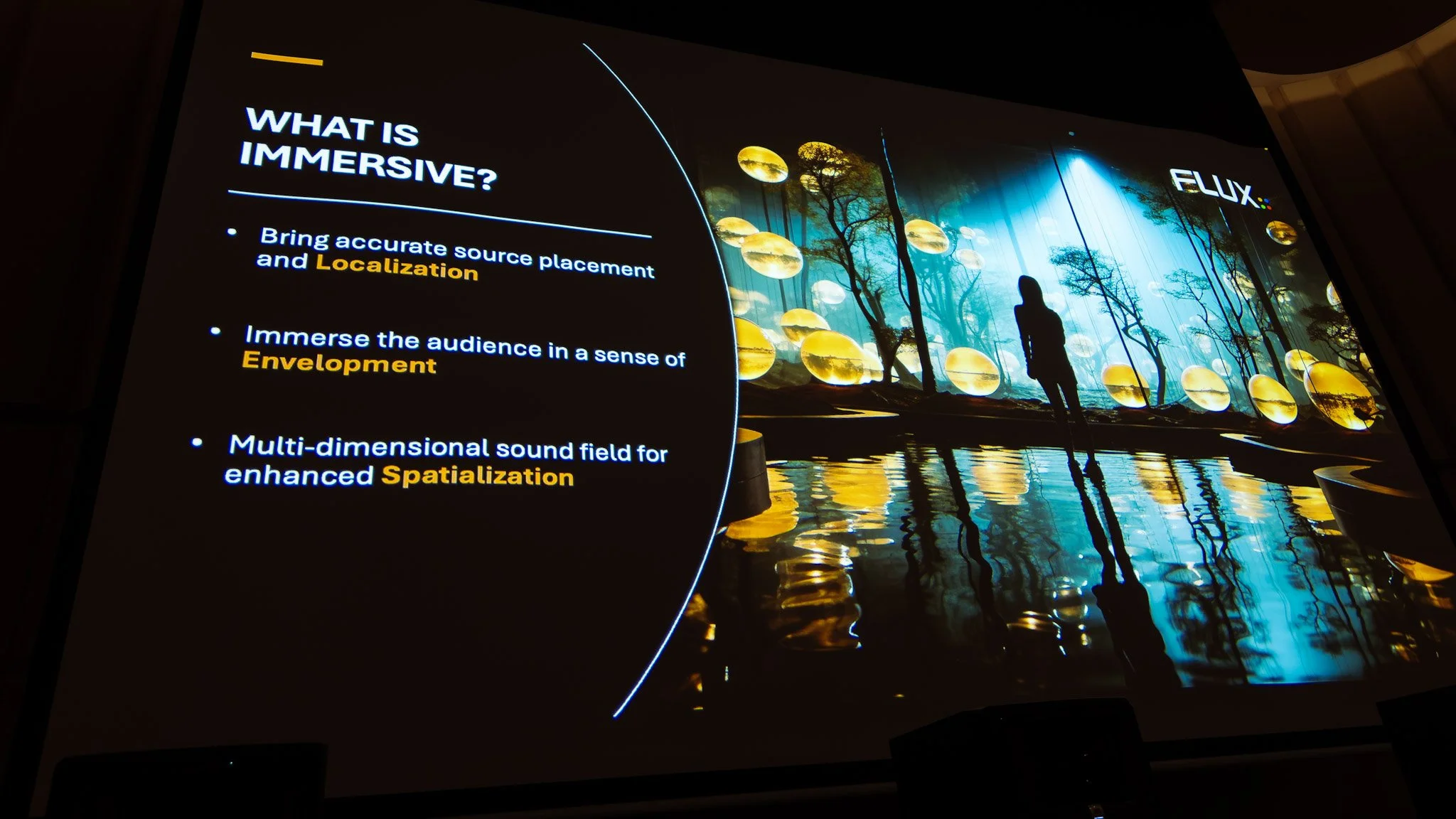
For our practice, participation in InfoComm Asia 2024 provided valuable insight into how emerging technologies can support human-centered design objectives while enhancing building performance and user experience. The event reinforced the importance of understanding audiovisual technology not as a standalone system, but as an integral component of healthier, smarter, and more connected environments.
As digital transformation continues influencing the future of architecture and the built environment, platforms such as InfoComm Asia provide important opportunities to explore innovation, exchange knowledge, and better understand how technology can contribute to more meaningful, efficient, and engaging spaces for people to work, learn, collaborate, and connect.