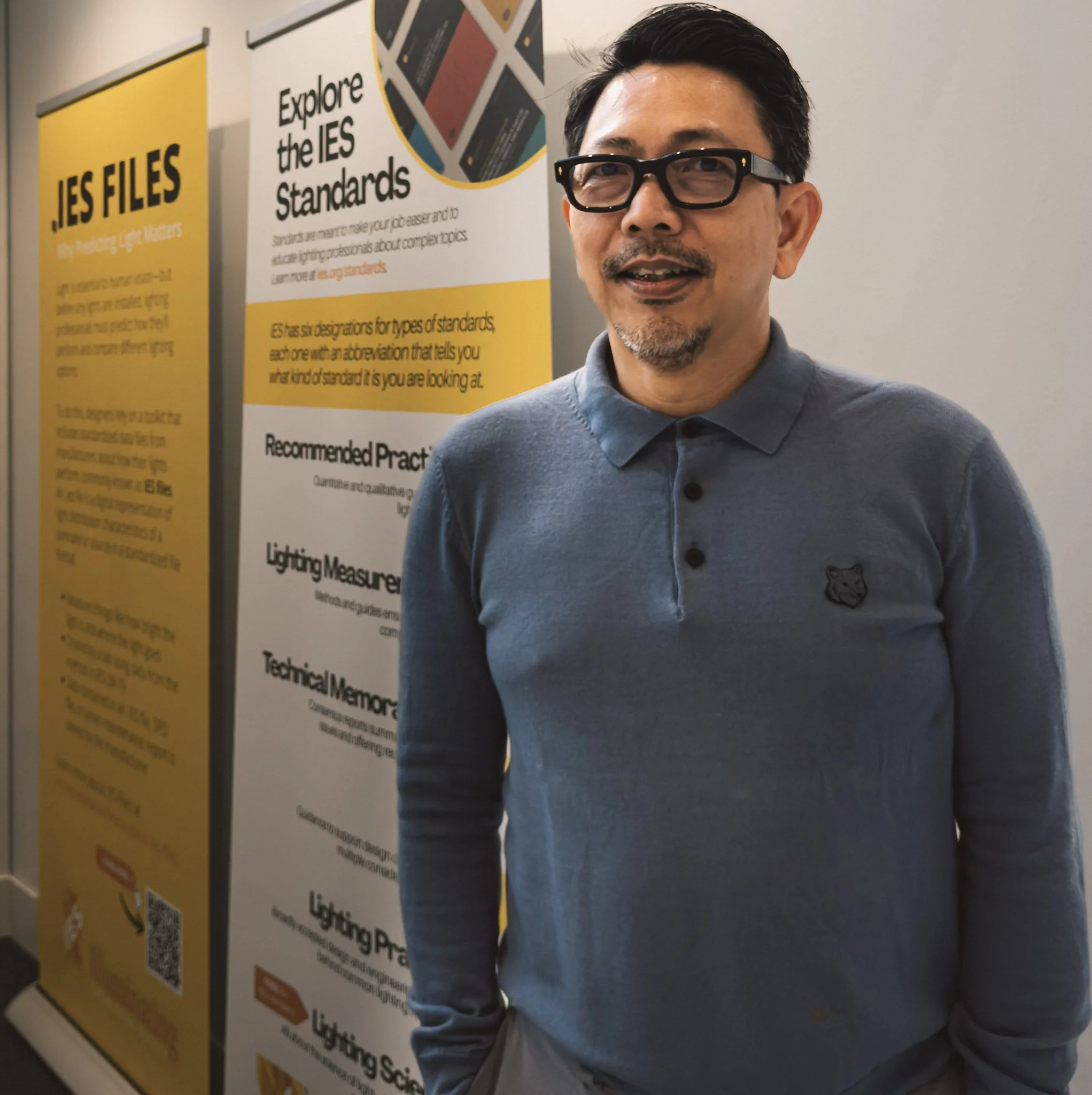
The future of the built environment is no longer defined solely by architecture, engineering, or technology. Increasingly, it is shaped by how effectively these disciplines are integrated to create buildings that support human health, environmental responsibility, operational efficiency, and long-term resilience.
This reality was evident throughout my participation at Light + Building Frankfurt 2026, the world's leading international trade fair for lighting, electrical engineering, building automation, and smart building technologies. Held at Messe Frankfurt, Germany, the event brought together manufacturers, researchers, technology developers, designers, engineers, consultants, and building owners from across the globe to explore the innovations that will influence the next generation of buildings.
As a Building Physics and Technology Consultant, my objective was not simply to observe new products. Rather, it was to evaluate emerging technologies, understand evolving industry directions, and identify practical solutions that can contribute to healthier, smarter, and higher-performing buildings throughout Asia and beyond.
The event provided a unique opportunity to engage directly with global manufacturers, technology leaders, and industry experts while examining how advancements in lighting, controls, digital infrastructure, sustainability, and building intelligence are increasingly converging into a single ecosystem.
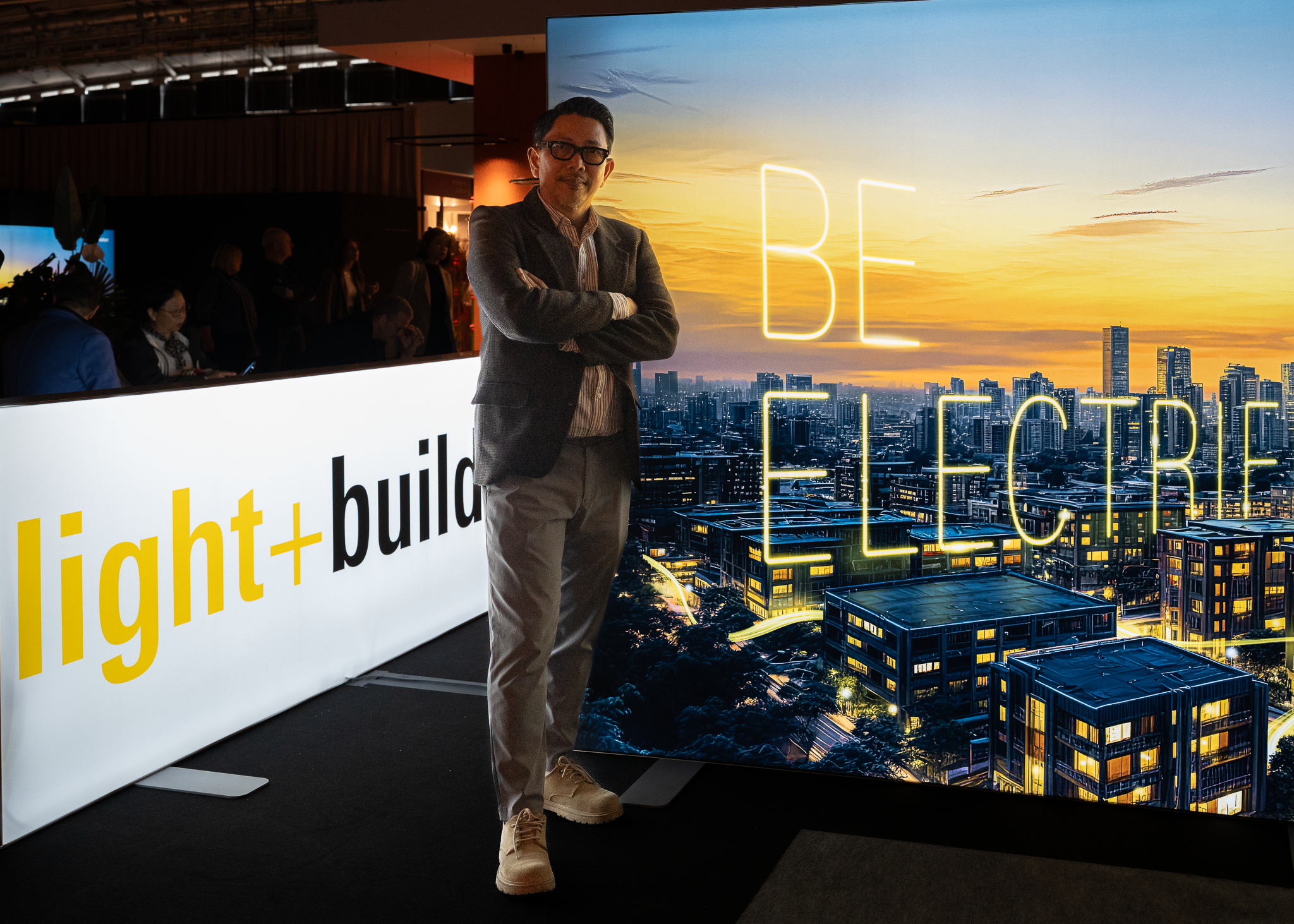
Buildings Are Becoming More Human-Centered
One of the strongest themes emerging from Light + Building 2026 was the growing recognition that building performance must ultimately be measured by its impact on people.
For decades, building systems have often been evaluated primarily through technical metrics such as energy efficiency, equipment capacity, and operational cost. While these remain important, the industry is increasingly recognizing that occupants themselves are the most important stakeholders in any built environment.
This shift is driving demand for more human-centered approaches to design and engineering.
Across numerous exhibitions and technical presentations, manufacturers demonstrated how lighting systems, environmental controls, sensor networks, and digital technologies are being developed to improve occupant comfort, well-being, productivity, and experience.
This evolution aligns closely with the multidisciplinary approach that has guided my professional work for many years, integrating acoustics, lighting, thermal comfort, audiovisual technologies, information communication systems, sustainability, and wellness considerations into a cohesive building performance strategy.
Rather than treating these disciplines as independent systems, the future of building design requires them to function as interconnected components that collectively support human needs.

The Continued Evolution of Human-Centric Lighting
Lighting remained one of the most influential topics throughout the exhibition.
The industry continues to move beyond traditional concepts focused solely on illumination levels and energy efficiency. Increasing attention is being placed on the relationship between light and human health, emotional well-being, circadian rhythm, cognitive performance, and user experience.
Manufacturers showcased increasingly sophisticated lighting solutions capable of adapting to occupant needs throughout the day, responding dynamically to daylight availability, occupancy patterns, and environmental conditions.
The conversation surrounding lighting is also expanding beyond workplace environments into healthcare facilities, educational institutions, hospitality projects, residential developments, cultural buildings, and places of worship.
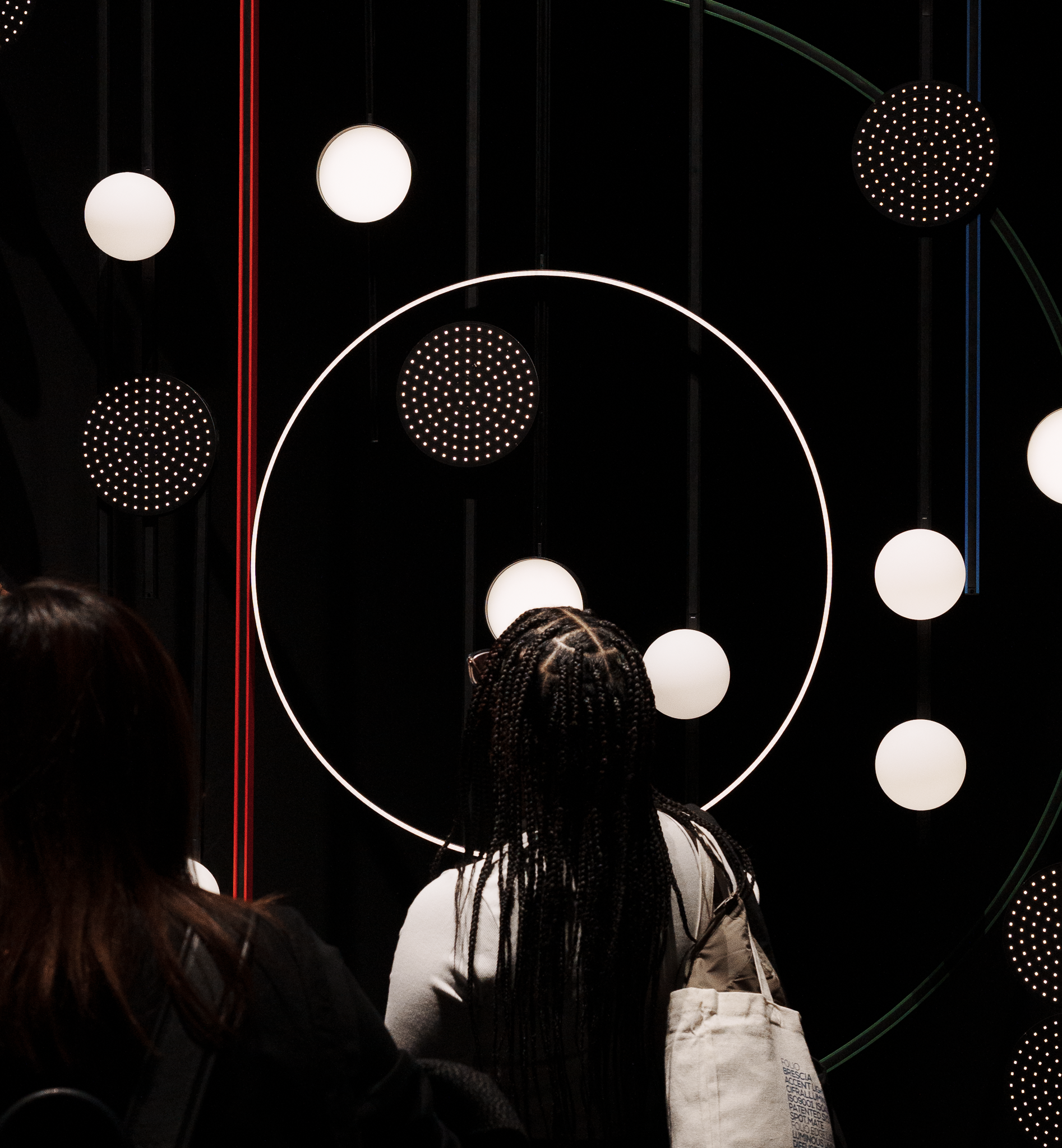
This trend reinforces a principle that has long guided many of my lighting projects: effective lighting design is not merely about visibility. It is about shaping perception, supporting behavior, influencing emotions, and enhancing the quality of human experience within a space.
As organizations continue prioritizing employee well-being, occupant satisfaction, and wellness-focused environments, lighting will play an increasingly important role in achieving these objectives.
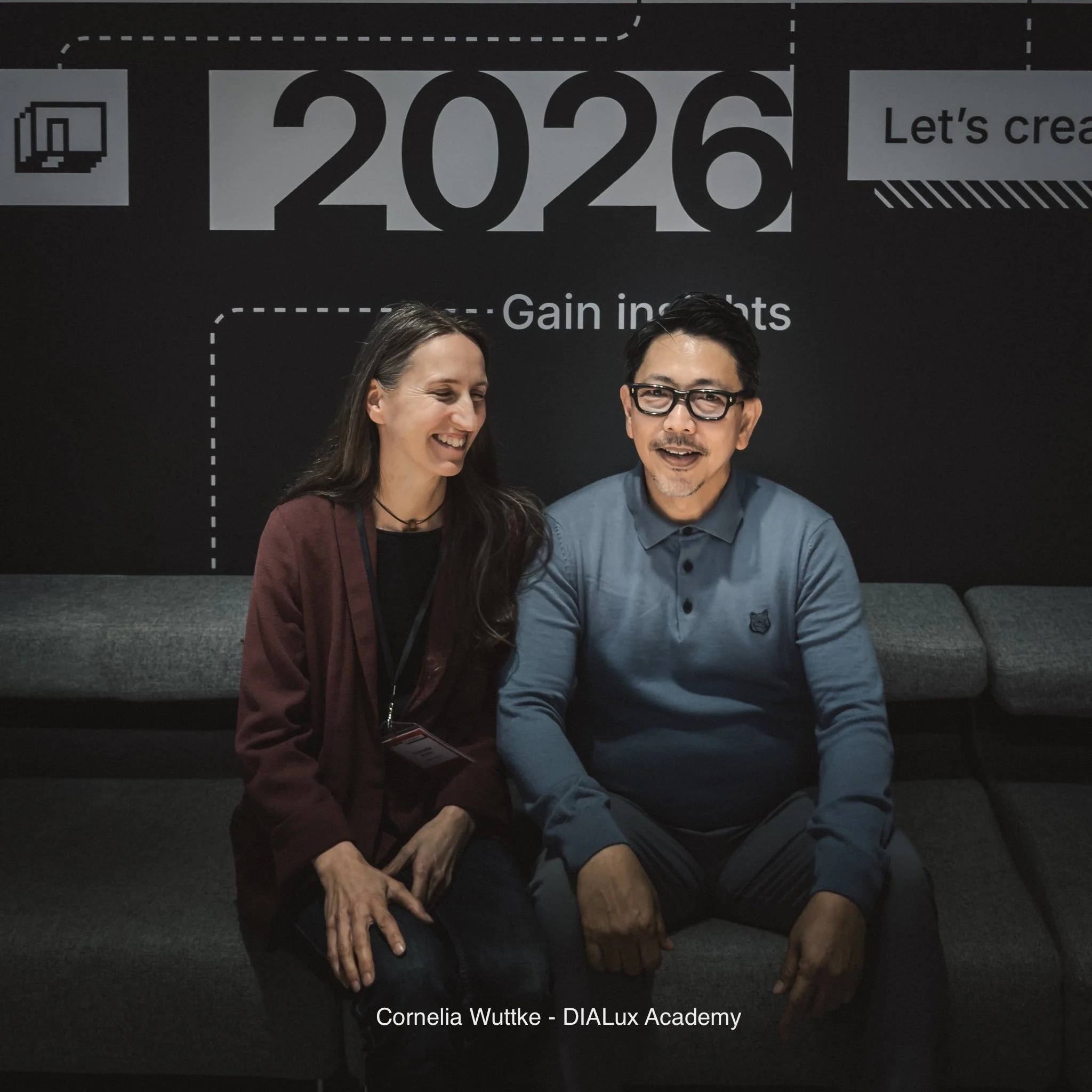
Smart Buildings Require More Than Smart Technology
Another significant observation from Light + Building 2026 was the rapid advancement of smart building technologies.
Artificial intelligence, cloud-based management platforms, predictive maintenance systems, IoT devices, and advanced analytics are becoming increasingly integrated into building operations.
However, the event also highlighted an important reality: technology alone does not create a successful smart building.
Many of the most compelling innovations focused not on individual devices but on interoperability—the ability of multiple building systems to communicate, share information, and operate cohesively.
Lighting controls, HVAC systems, occupancy sensors, security infrastructure, audiovisual technologies, energy management platforms, and communication networks are increasingly expected to function as a unified ecosystem.
This integrated approach aligns directly with the consulting philosophy behind ALTA Integra, where building performance is viewed through a multidisciplinary lens rather than as isolated engineering disciplines.
True intelligence emerges not from the quantity of technology installed within a building, but from how effectively those technologies work together to improve occupant experience, operational efficiency, sustainability outcomes, and long-term building value.
Sustainability Is Becoming an Operational Strategy
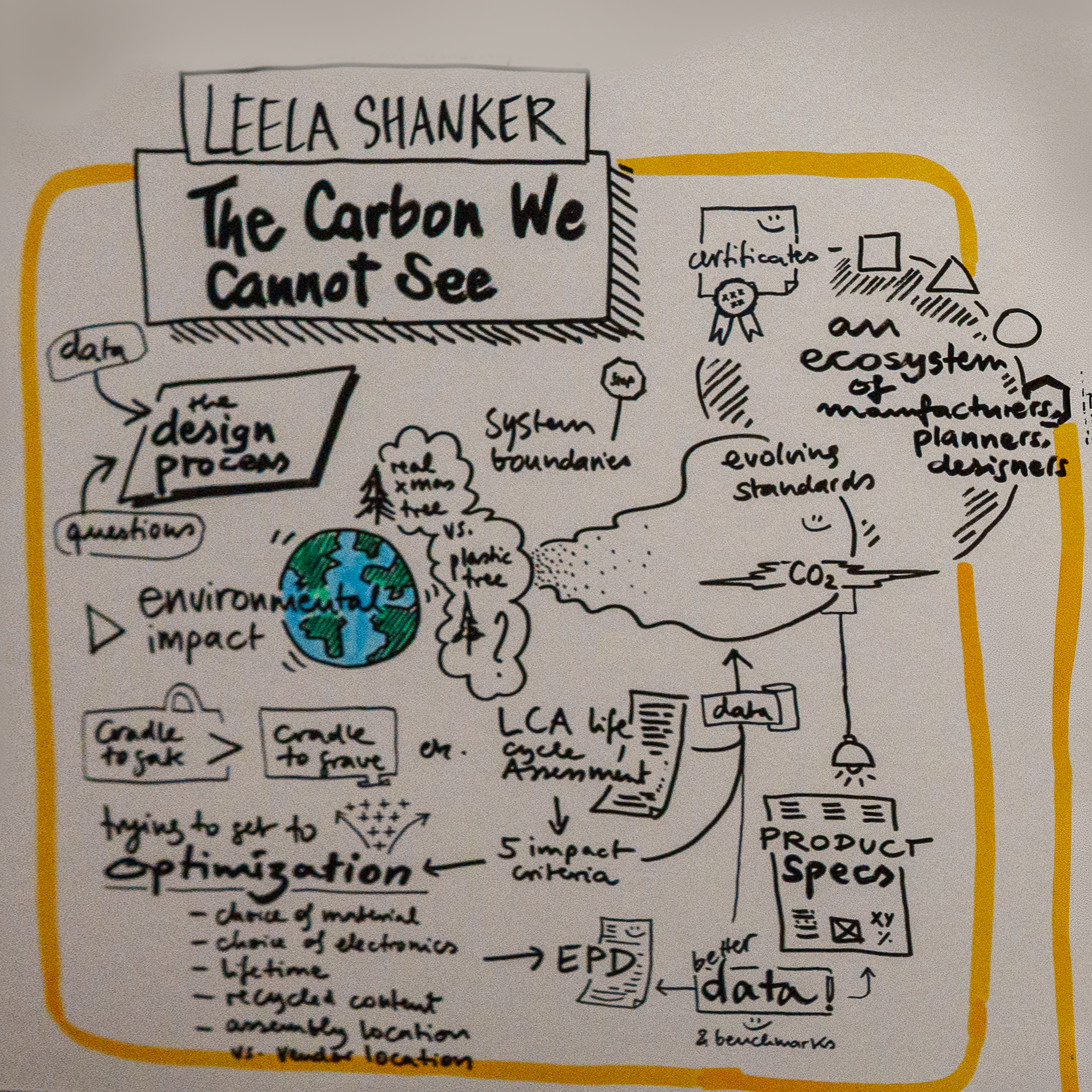
Sustainability remained a dominant theme throughout the exhibition, although the conversation has evolved significantly compared to previous years.
Rather than focusing solely on energy-efficient products, many exhibitors demonstrated comprehensive strategies addressing lifecycle performance, carbon reduction, circular economy principles, renewable energy integration, and long-term environmental impact.
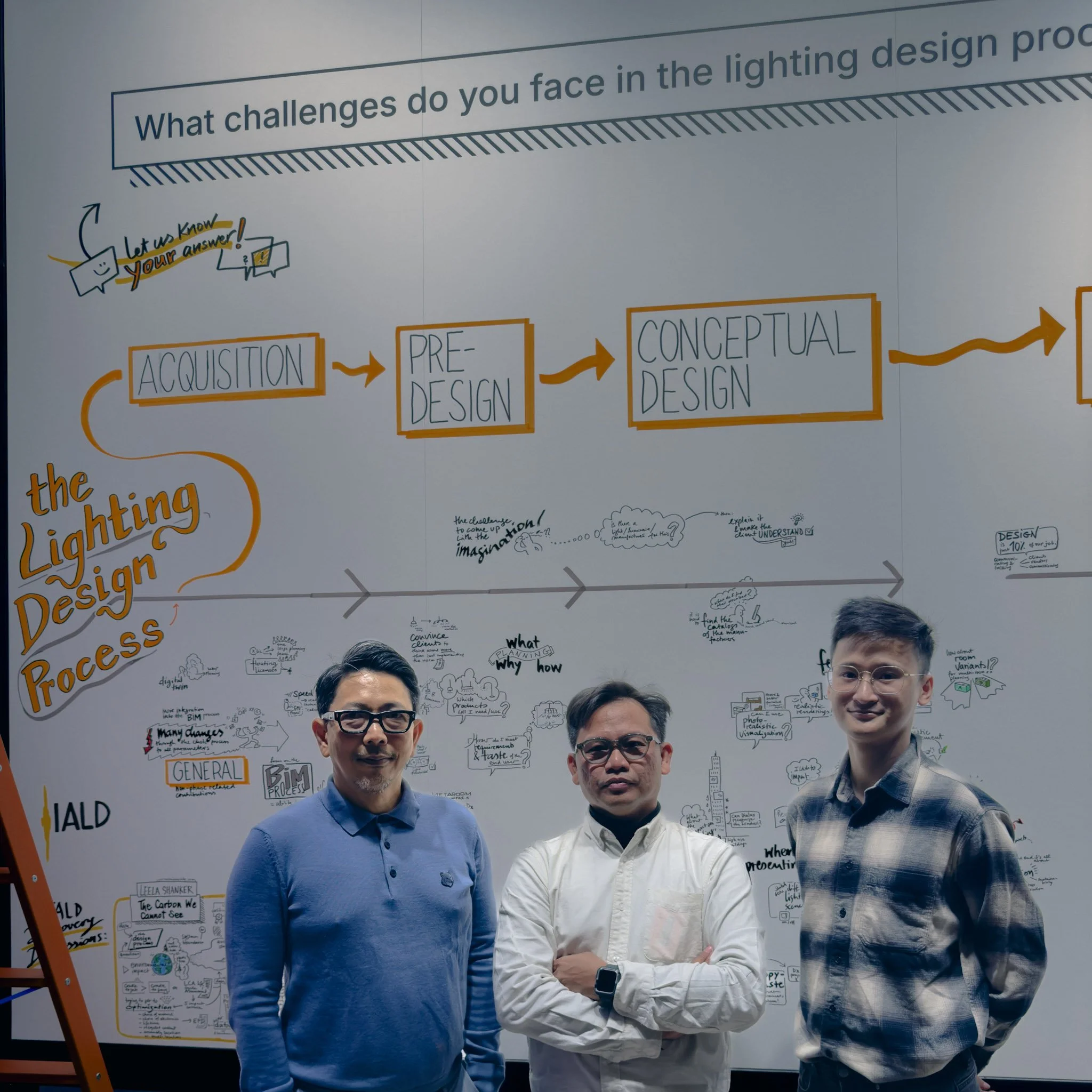
This broader perspective reflects the industry's growing understanding that sustainability must extend beyond compliance requirements and become embedded within the operational DNA of buildings.
Advanced controls, intelligent monitoring systems, adaptive lighting solutions, efficient electrical infrastructure, and data-driven optimization tools are increasingly enabling building owners to make informed decisions that improve both environmental performance and operational outcomes.
These developments are particularly relevant as organizations pursue ESG objectives, carbon reduction commitments, LEED certification, WELL certification, and broader sustainability targets.
The future of sustainable buildings will depend not only on efficient technologies but also on the integration of data, human behavior, operational management, and performance measurement.
The Convergence of Physical and Digital Environments
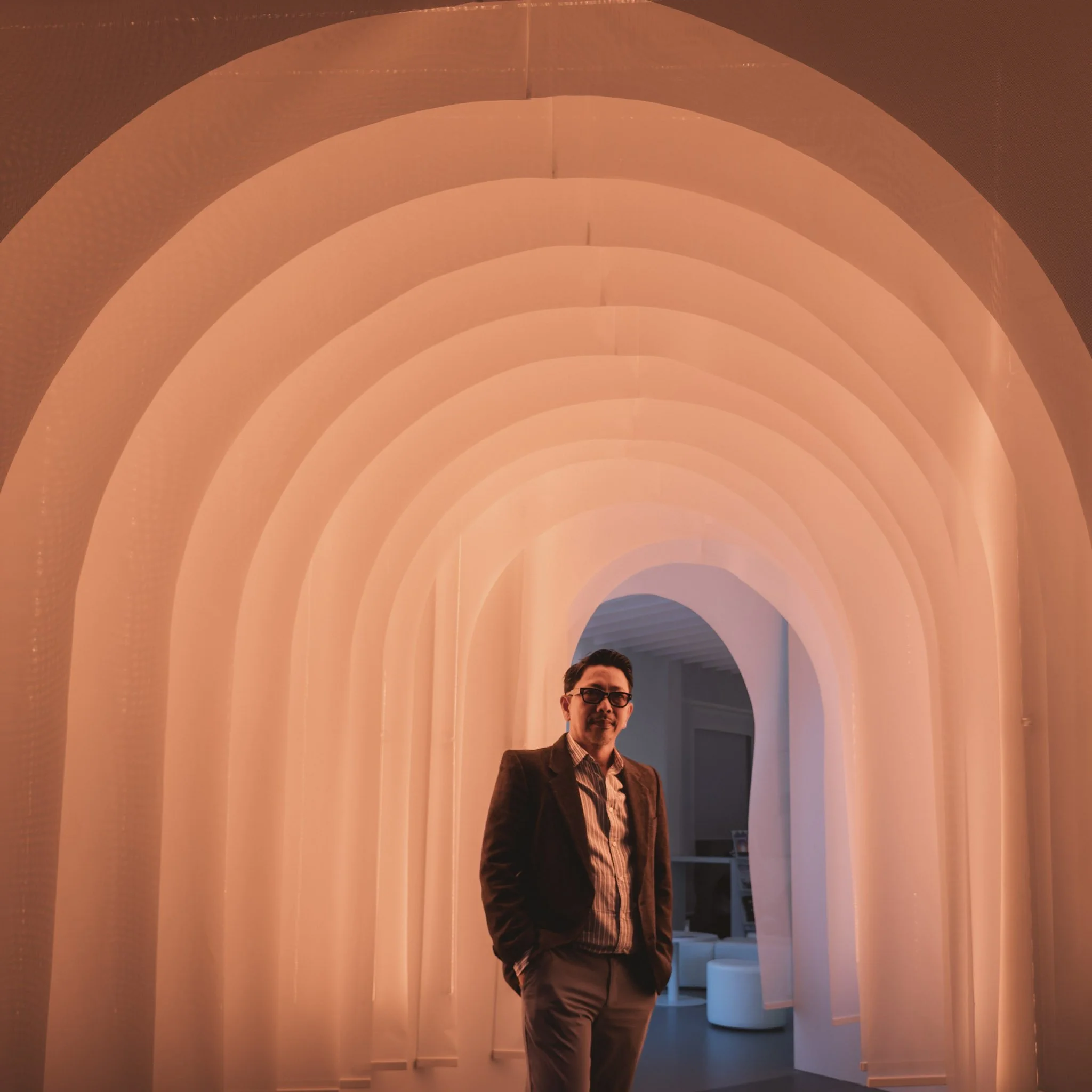
A particularly noteworthy trend was the continued convergence between physical building systems and digital technologies.
Buildings are becoming increasingly connected environments capable of collecting, processing, and responding to vast amounts of real-time information.
Sensor networks, digital twins, AI-driven analytics, occupancy intelligence, environmental monitoring, and connected control platforms are creating new opportunities to optimize building performance continuously.
This transformation is changing the role of consultants, designers, and engineers.
Technical expertise must now extend beyond traditional building systems to include data interpretation, system integration, digital infrastructure planning, and user experience design.
For building owners and developers, this convergence presents opportunities to enhance operational efficiency, improve maintenance strategies, reduce energy consumption, and create more responsive environments for occupants.
At the same time, it requires careful planning to ensure technology investments remain aligned with organizational objectives and human needs.
Bringing Global Insights into Local Practice
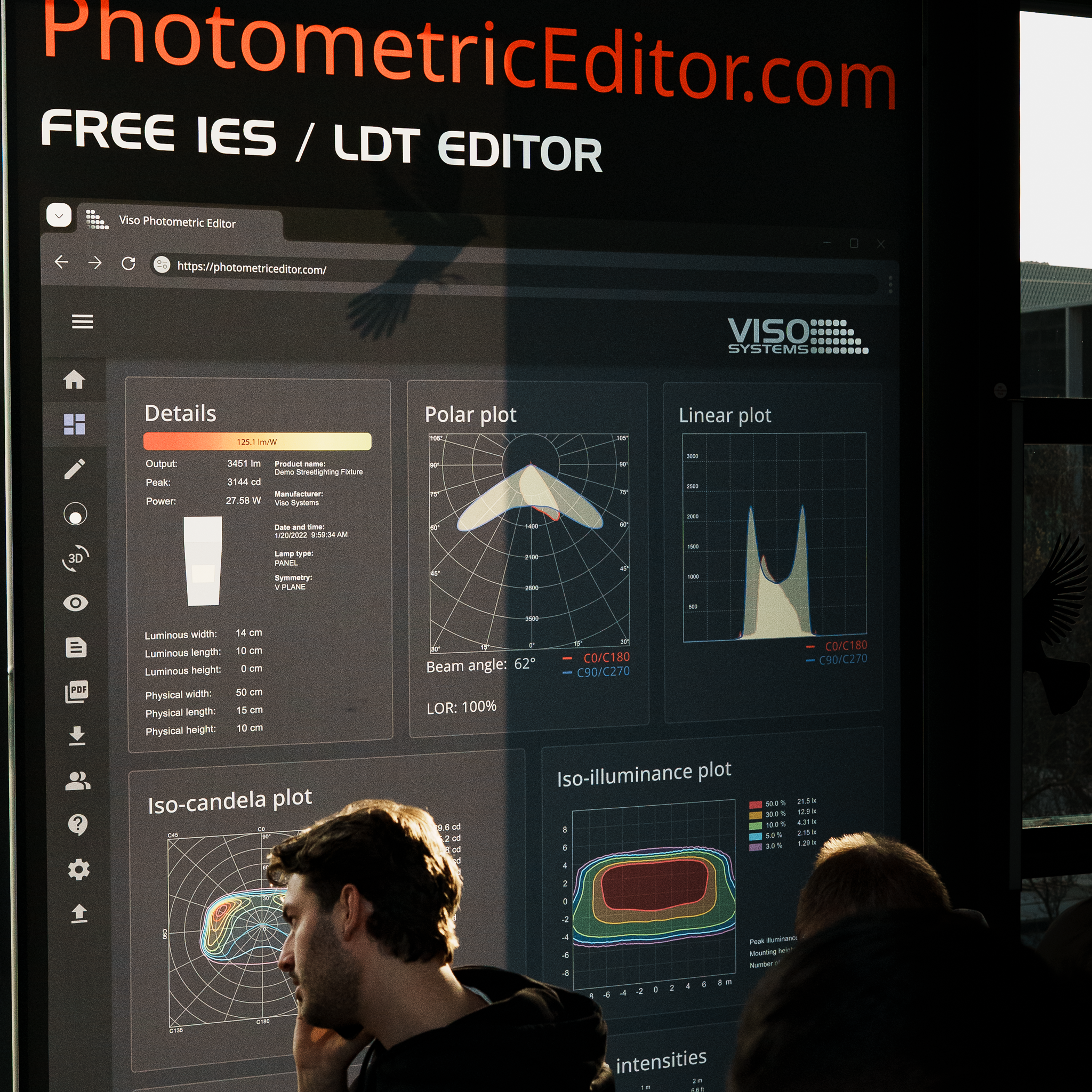
One of the most valuable aspects of participating in international industry events such as Light + Building Frankfurt is the opportunity to bridge global innovation with local implementation.
Not every emerging technology will be appropriate for every project, market, or region. The consultant's role is to critically evaluate innovations, understand their practical implications, and identify where they can create meaningful value.
The insights gained through Light + Building 2026 reinforce the importance of integrated design approaches that balance technology, sustainability, wellness, operational efficiency, and human experience.
These principles continue to guide my work across architectural, engineering, commercial, institutional, hospitality, educational, healthcare, and cultural projects.
As buildings become increasingly intelligent and interconnected, successful projects will require more than technical expertise alone. They will require collaboration across disciplines, evidence-based decision-making, and a clear understanding of how environmental performance ultimately influences people.
Looking Ahead
Light + Building Frankfurt 2026 demonstrated that the future of the built environment is becoming more human-centered, more connected, and more performance-driven.
The industry's most promising innovations are no longer isolated technologies. They are integrated solutions that bring together lighting, building automation, sustainability, digital infrastructure, and human experience into a cohesive ecosystem.
For building owners, developers, architects, engineers, and facility operators, the challenge ahead is not simply adopting new technologies but understanding how to apply them strategically to create healthier, smarter, and more resilient environments.
Participating in global industry forums such as Light + Building provides valuable opportunities to stay at the forefront of these developments, exchange knowledge with international experts, and continue advancing the practice of human-centered building performance engineering.
As the built environment continues to evolve, the integration of building physics, technology, sustainability, and wellness will remain essential to creating places that not only perform efficiently but also enrich the lives of the people who use them every day.