International Research Participation at Acoustics 2012 Hong Kong
Continuous learning and international knowledge exchange are essential for advancing the practice of acoustic engineering and building performance design. As the built environment becomes increasingly complex, professionals must stay connected with emerging research, technological innovation, and global best practices that influence how buildings support human comfort, communication, health, and environmental quality.
In May 2012, I participated in Acoustics 2012 Hong Kong, an international conference organized by the Acoustical Society of America (ASA) and held at the Hong Kong Convention and Exhibition Centre. As the first ASA conference hosted in Asia, the event brought together researchers, academics, engineers, consultants, and industry leaders from around the world to discuss the latest developments across architectural acoustics, engineering acoustics, environmental noise, soundscape studies, biomedical acoustics, psychoacoustics, and vibration engineering.
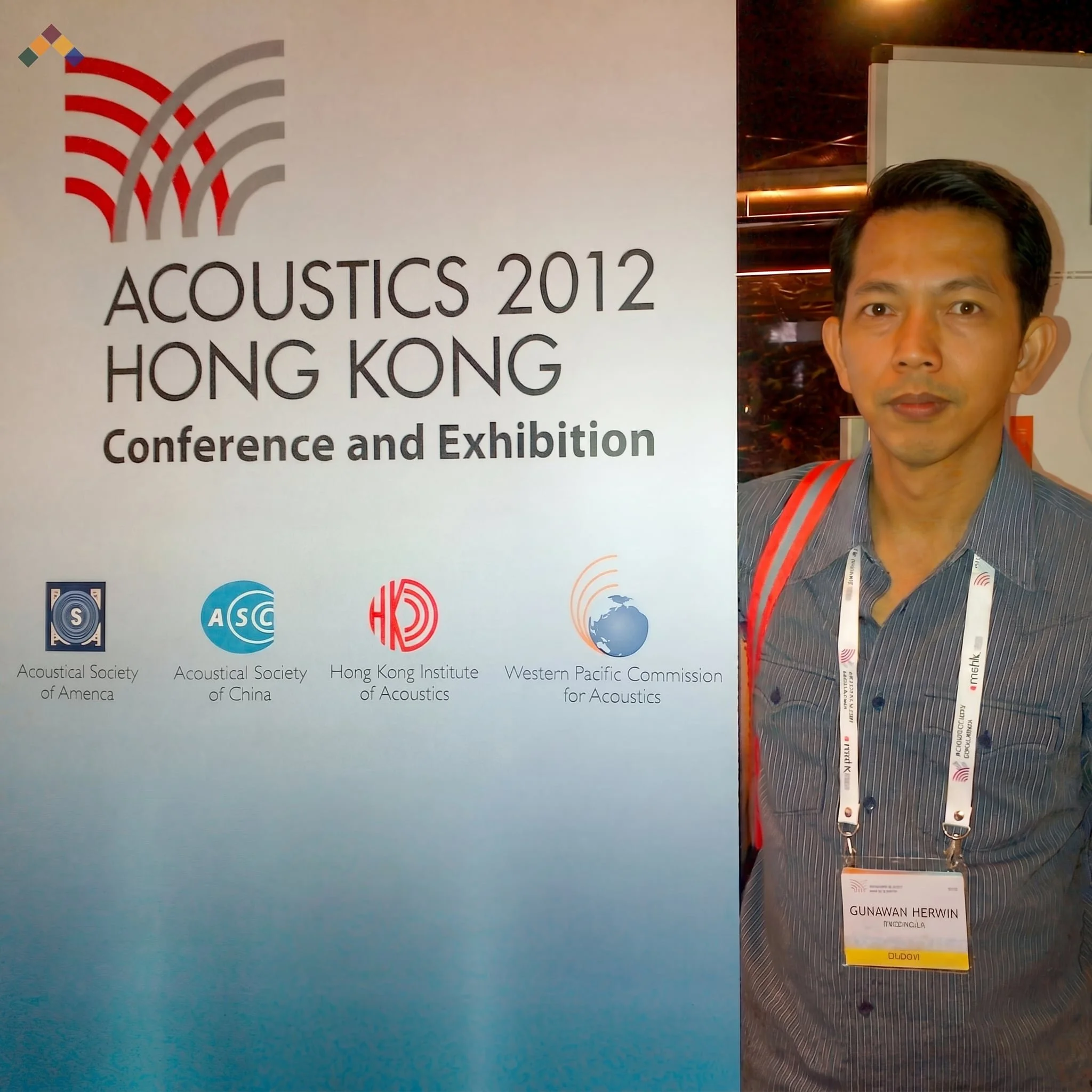
The conference provided valuable exposure to emerging research and technical discussions covering room acoustics, concert hall design, classroom acoustics, healthcare acoustics, environmental noise management, occupant comfort, sound quality engineering, and urban soundscape development. These topics continue to play an important role in shaping how acoustic performance contributes to healthier, more comfortable, and more productive environments within contemporary buildings and cities.
Participation in Acoustics 2012 Hong Kong offered a unique opportunity to engage with international experts, explore cutting-edge research, and gain broader perspectives on how acoustics influences architecture, engineering, transportation, healthcare, education, and urban development. The event reinforced the importance of integrating scientific research with practical design solutions to improve environmental quality and human experience within the built environment.
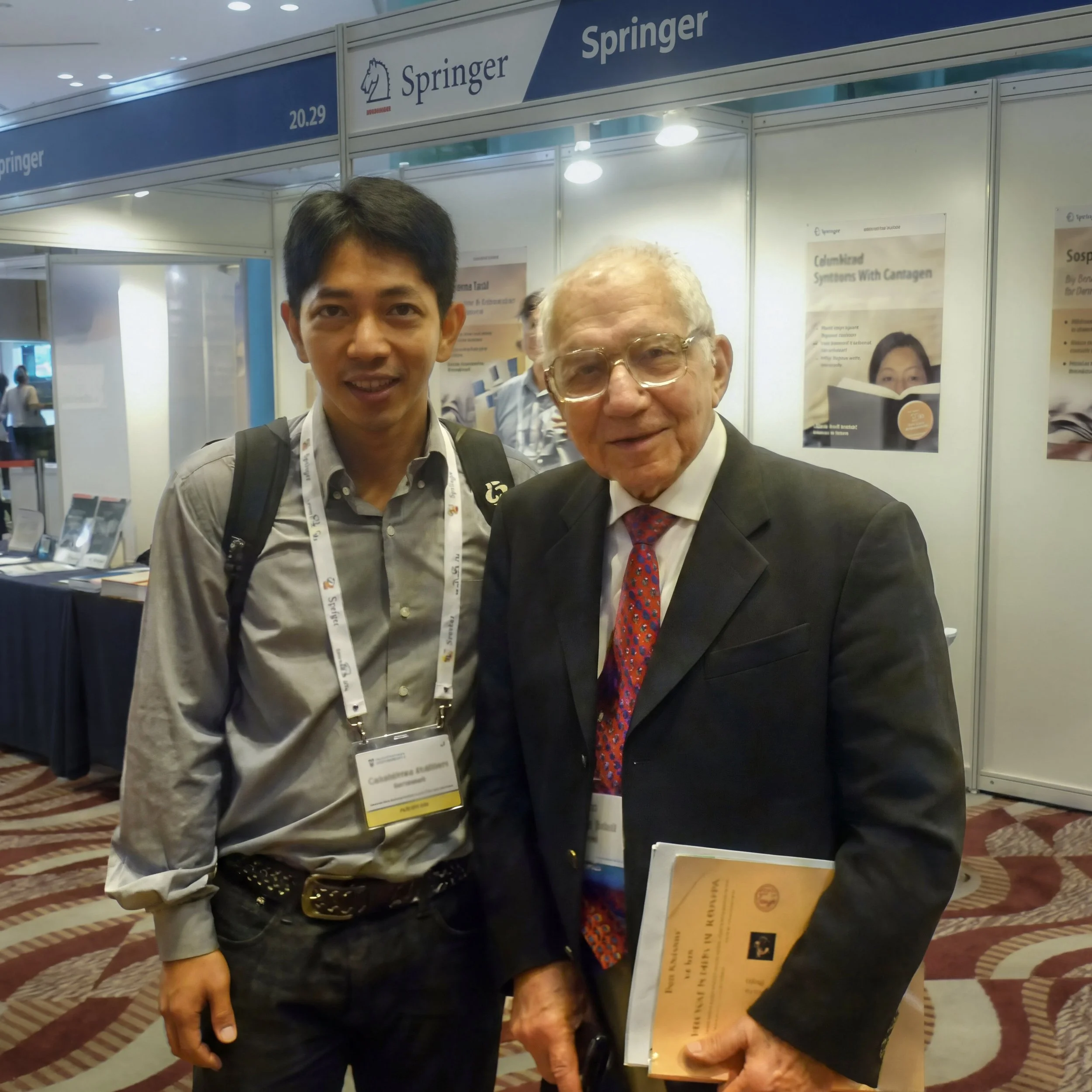
Together with Leo Beranek, the legendary acoustician whose work helped shape modern acoustics science and engineering
For our practice, experiences such as Acoustics 2012 Hong Kong have contributed to a deeper understanding of global acoustic trends and evidence-based design methodologies. Exposure to international research communities strengthens our ability to translate technical knowledge into practical solutions that support building performance, occupant well-being, and sustainable development outcomes.
The conference remains an important milestone in our professional journey, reflecting an ongoing commitment to learning, research engagement, and international collaboration in the pursuit of better-performing and more human-centered environments.