Architectural Insight: Kengo Kuma Harmonize Architecture and Material
Architecture today faces increasingly complex challenges involving sustainability, cultural identity, urban density, environmental performance, and human well-being. As cities continue to evolve, architects and building professionals are being challenged to create environments that not only perform technically, but also connect meaningfully with people, place, and nature. In this context, opportunities to learn directly from globally influential architects provide valuable insight into how design can respond to contemporary challenges while remaining deeply rooted in cultural and environmental understanding.
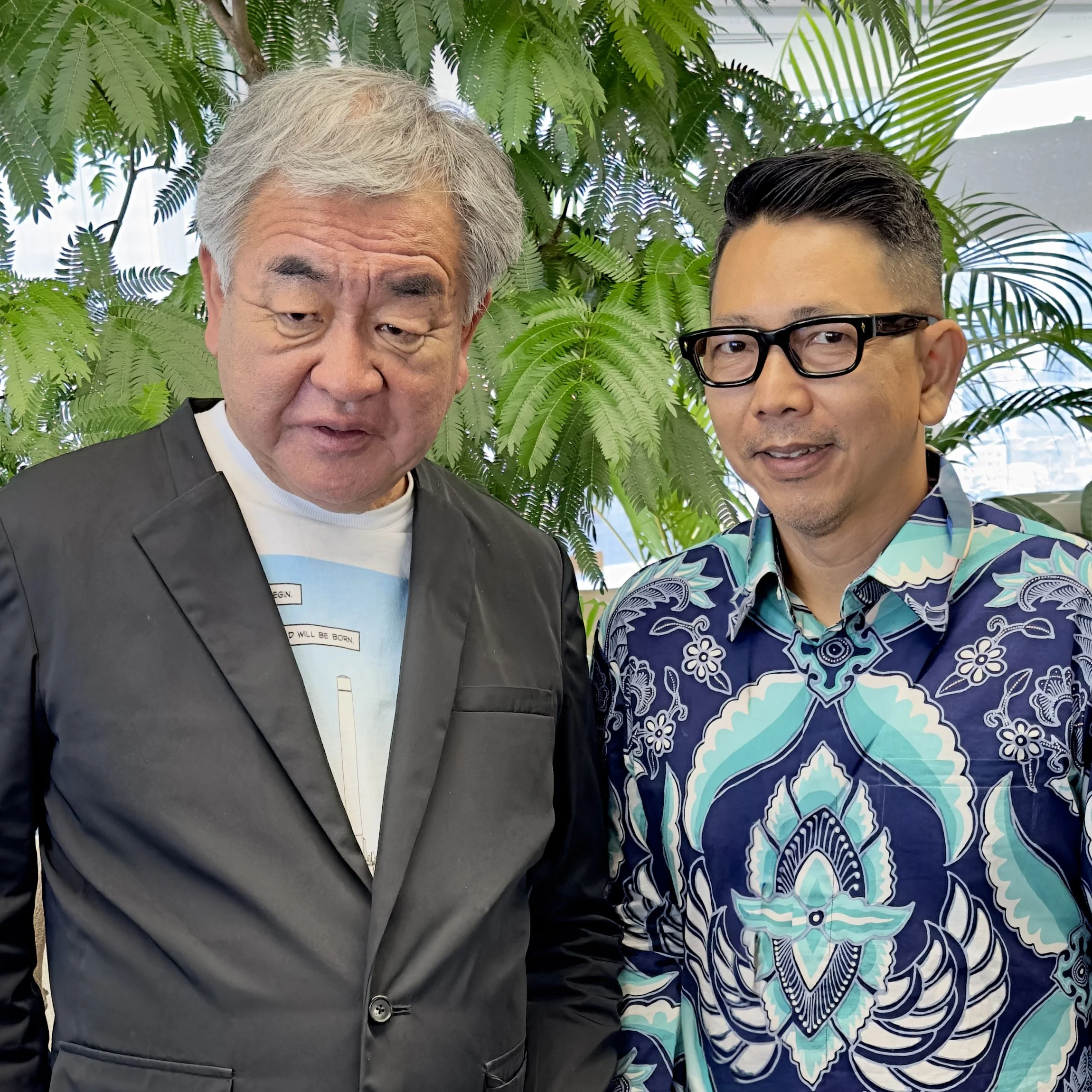
It was a valuable opportunity to meet internationally renowned Japanese architect Kengo Kuma, founder of Kengo Kuma & Associates, whose work has become globally recognized for its sensitive integration of architecture, nature, materiality, craftsmanship, and human experience. Through projects spanning cultural institutions, hospitality developments, educational facilities, public buildings, urban masterplans, and international landmarks, Kengo Kuma has consistently explored how architecture can create a more harmonious relationship between people and their surroundings. His design philosophy emphasizes the importance of recovering the connection between architecture, landscape, local culture, and natural materials rather than creating buildings that dominate their environment.
The meeting provided valuable perspective on how architecture can move beyond iconic form-making toward a more human-centered and contextual approach. One of the most influential aspects of Kengo Kuma’s work is his exploration of materiality as a medium for creating sensory experience. Through the thoughtful use of wood, stone, bamboo, paper, metal, and locally sourced materials, his projects often seek to dissolve the boundary between architecture and nature while creating spaces that feel warm, tactile, and deeply connected to their environment. His philosophy challenges the conventional perception of architecture as an object and instead promotes architecture as a relationship between people, place, climate, culture, and material.
The discussion also reinforced the growing importance of designing buildings that respond to both environmental and human needs. As global conversations increasingly focus on sustainability, wellness, resilience, and responsible development, Kengo Kuma’s work demonstrates how traditional knowledge, local craftsmanship, and contemporary technology can coexist within a single architectural vision. His projects often integrate natural light, environmental sensitivity, cultural narratives, and material innovation to create spaces that support both functionality and emotional experience.
Another important takeaway from the experience was the value of interdisciplinary thinking within the built environment. Architecture today is increasingly connected with acoustics, lighting, environmental engineering, digital technologies, landscape design, and building performance. Understanding how these disciplines contribute to the overall user experience is essential for creating environments that are not only visually compelling but also comfortable, sustainable, and meaningful for the people who use them.
For our practice, meeting Kengo Kuma offered more than an opportunity to learn from one of the world’s leading architects. It provided a deeper reflection on the role of architecture as a framework for human experience, environmental responsibility, and cultural continuity. His approach reinforces the belief that successful design emerges when technology, craftsmanship, sustainability, and human-centered thinking are carefully integrated rather than treated as separate objectives.
As architecture continues to evolve within an increasingly complex global context, lessons from practitioners such as Kengo Kuma remain highly relevant. His work demonstrates that innovation does not necessarily come from creating louder architecture, but from designing spaces that respond more thoughtfully to nature, culture, materiality, and the everyday experience of people.