Technology Update: Advancing Acoustic Intelligence Through Sorama Sound Visualization Technology
As building performance expectations continue to evolve, acoustic consulting is increasingly moving beyond traditional sound level measurements toward more advanced methods of understanding how sound behaves within the built environment. Modern acoustic engineering requires not only quantifying noise levels, but also identifying sound sources, visualizing acoustic behavior, diagnosing hidden performance issues, and communicating complex acoustic information in ways that are easier for project teams and stakeholders to understand.
As part of our continuous commitment to exploring emerging technologies in acoustic measurement and building performance engineering, we have been studying the development of Sorama’s sound visualization and acoustic imaging technologies. Based in Eindhoven, the Netherlands, Sorama develops advanced acoustic camera systems and sound intelligence platforms that transform invisible sound data into visual information, enabling engineers, researchers, facility managers, manufacturers, and building professionals to better understand acoustic behavior across a wide range of environments. Sorama’s mission is centered on making sound insightful by helping users visualize, analyze, and interpret complex acoustic information through advanced microphone array technologies and real-time sound mapping systems.
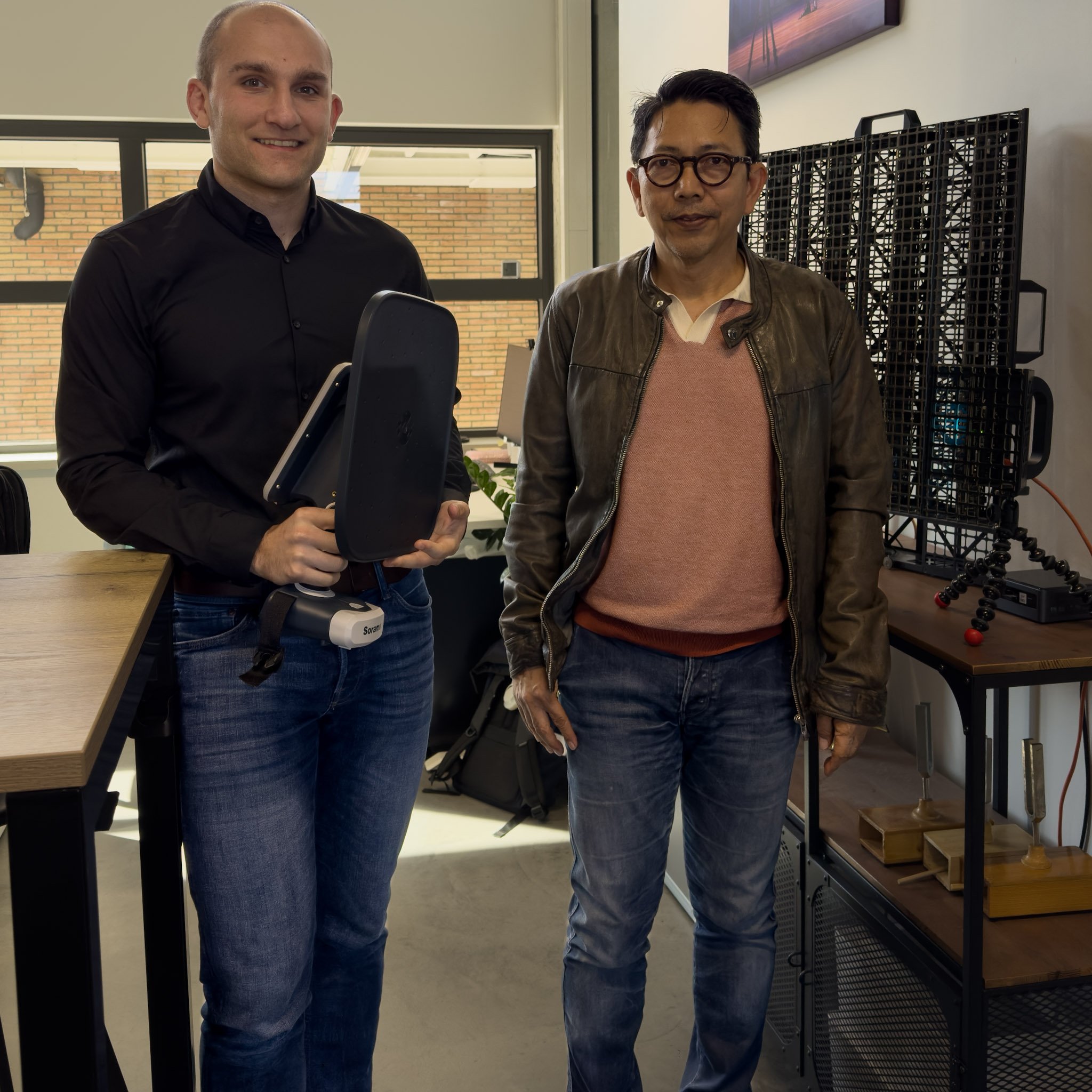
One of the most significant innovations introduced by Sorama is the use of acoustic imaging technology, often referred to as an acoustic camera. Unlike conventional sound level meters that primarily provide numerical measurement data, acoustic cameras enable users to visualize the location and intensity of sound sources directly within a real-world environment. Through advanced beamforming techniques, microphone arrays, signal processing, and acoustic visualization software, sound can be displayed as a heatmap-like image that reveals where noise originates and how it propagates through a space.
This capability offers substantial value within architectural acoustics, building diagnostics, environmental noise assessment, product development, and facility performance evaluation. Acoustic imaging allows project teams to quickly identify sound leaks, façade weaknesses, mechanical equipment noise, vibration-related issues, airflow disturbances, HVAC sound sources, and building envelope performance challenges that may otherwise be difficult to detect using conventional measurement methods alone. By making sound visible, complex acoustic problems become easier to understand, communicate, and solve.
The technology also reflects a broader shift toward data-driven and evidence-based building performance engineering. As buildings become increasingly focused on occupant comfort, wellness, sustainability, and operational efficiency, acoustic analysis must extend beyond compliance measurements. Understanding how sound affects communication, concentration, productivity, privacy, learning performance, and user experience requires deeper insight into the acoustic behavior of spaces. Sound visualization technologies provide an additional layer of information that supports more informed design decisions and performance optimization throughout the building lifecycle.
Another important aspect of Sorama’s approach is its integration of real-time analysis, advanced signal processing, and intuitive visualization. The technology allows users to rapidly assess acoustic conditions in laboratories, workplaces, industrial facilities, public environments, research projects, transportation infrastructure, and building performance investigations. Through real-time acoustic mapping and source localization, engineers can evaluate issues more efficiently while reducing uncertainty during diagnostic and troubleshooting processes.
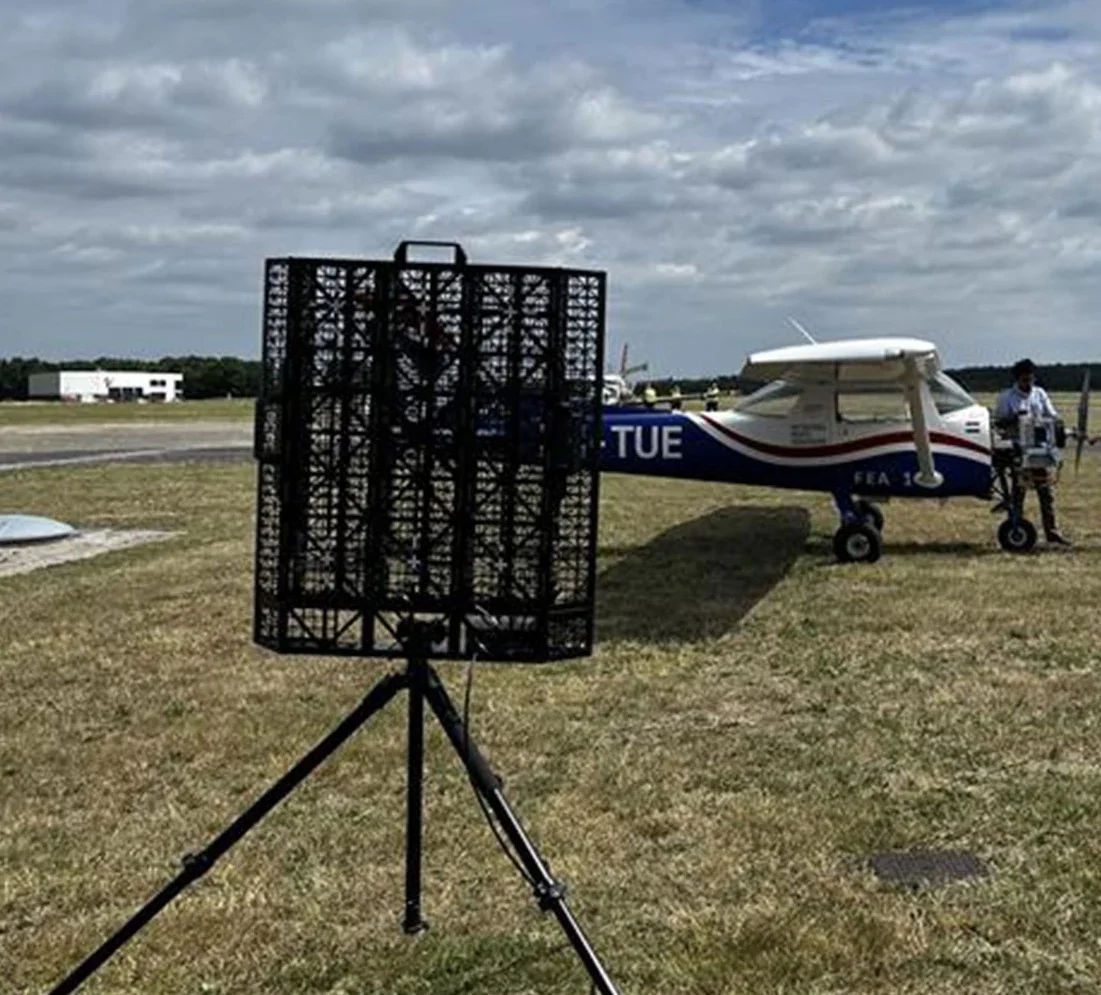
For our practice, developments such as Sorama’s acoustic visualization systems represent an exciting evolution in how acoustic performance can be investigated and communicated. While traditional measurement remains an essential part of acoustic engineering, technologies that combine quantitative analysis with visual interpretation create new opportunities for collaboration between architects, engineers, consultants, facility managers, and building owners.
As the future of the built environment increasingly emphasizes human-centered design, smart building technologies, environmental performance, and occupant well-being, innovative tools such as acoustic cameras help bridge the gap between technical acoustic analysis and practical decision-making. The ability to see sound provides a powerful new perspective for understanding how buildings perform and how acoustic quality can be improved to create healthier, more comfortable, and higher-performing environments.