Liturgical Lighting Design for Worship Experience at Jakarta Cathedral
Project Overview
Since the Dutch colonial era, Jakarta Cathedral has stood as one of Indonesia's most important religious and cultural landmarks. Beyond its architectural significance, the cathedral continues to serve as an active place of worship, a symbol of religious harmony, and a spiritual home for generations of Catholics in Jakarta.
As part of the Jakarta Cathedral's ongoing commitment to preserving its heritage while enhancing the worship experience, a series of liturgical lighting scenario studies were conducted to evaluate how different lighting strategies influence the perception of sacred space, visual hierarchy, spiritual atmosphere, and liturgical symbolism.
The project explored how light can support various forms of worship, religious celebrations, and ceremonial occasions while respecting the architectural character and historical significance of the cathedral. Rather than focusing solely on illumination levels, the study examined how lighting shapes emotional response, spiritual engagement, and the relationship between worshippers and sacred architecture.
In Christian theology, light is often understood as a manifestation of God's presence, truth, and divine glory, while church architecture reflects the congregation's devotion and desire to glorify God through the built environment. The relationship between light and architecture therefore becomes an essential component in creating a meaningful worship environment where worshippers encounter the divine through faith, space, and sensory experience.
Through a series of lighting mock-ups and scenario evaluations, the project investigated how thoughtful lighting design can strengthen the connection between faith, architecture, and human experience within one of Indonesia's most significant religious heritage buildings.
Liturgical Lighting Scenario Gallery
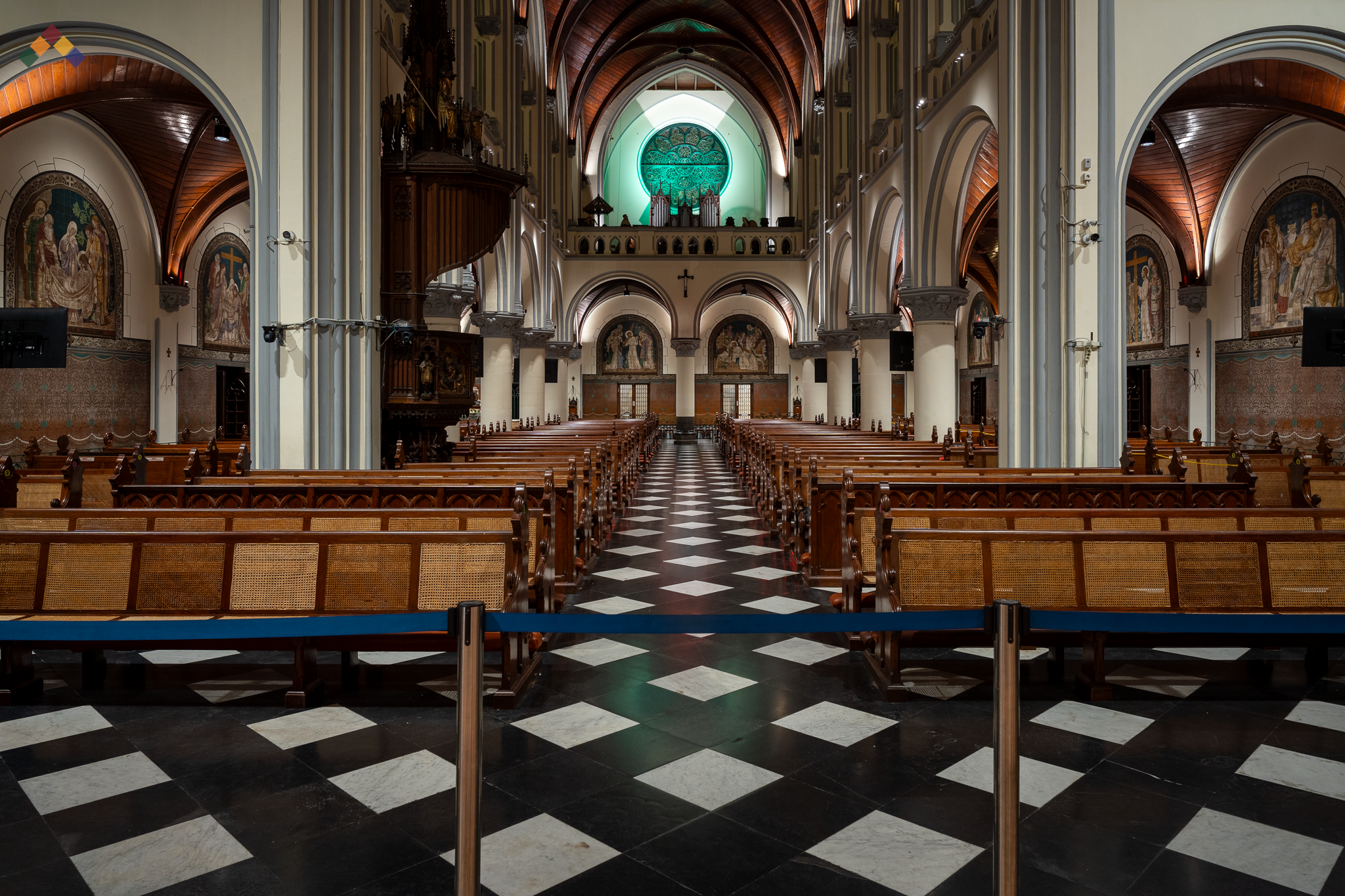
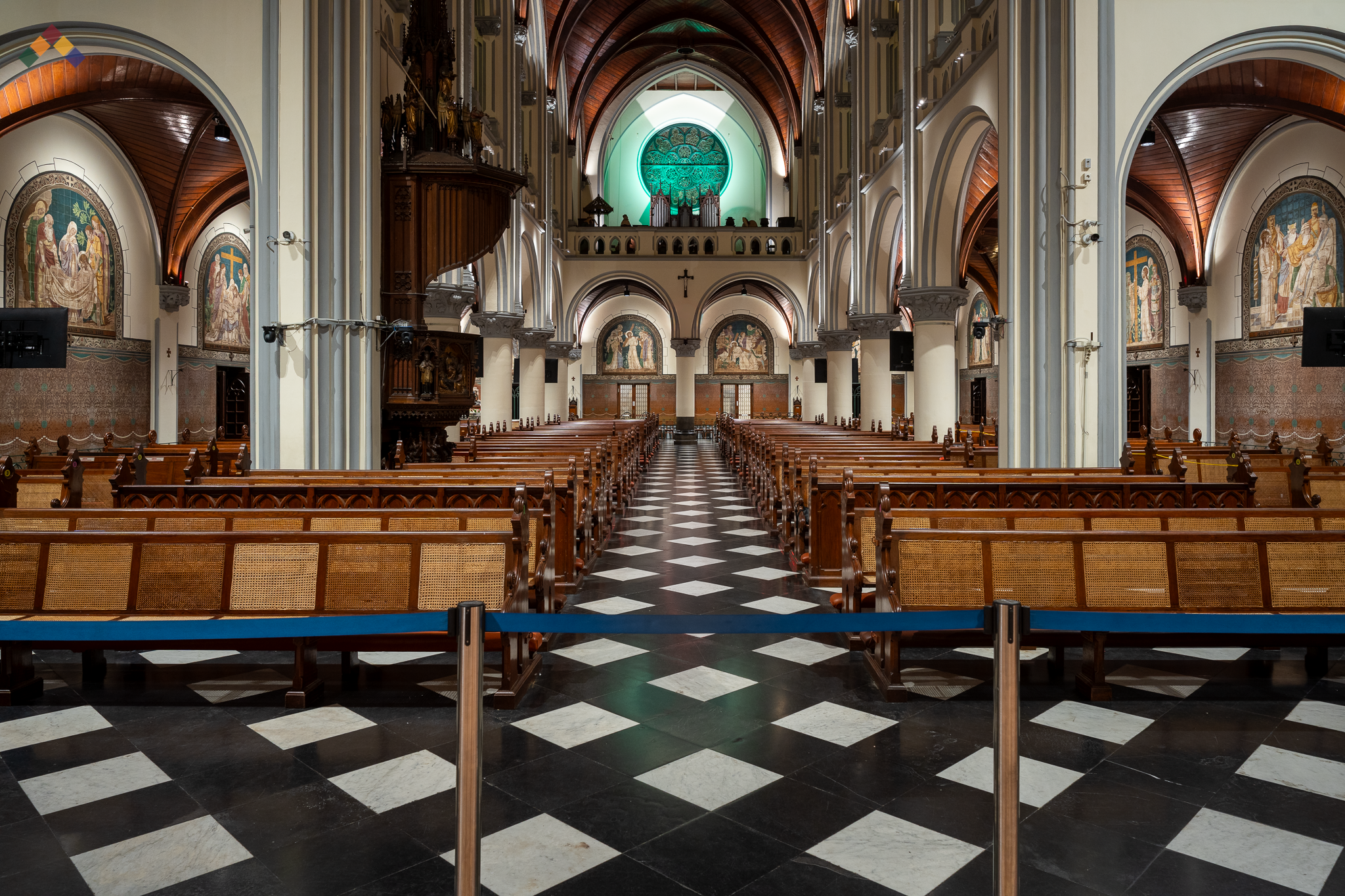
The Challenge
Lighting within sacred architecture serves a fundamentally different purpose from lighting in commercial, hospitality, or entertainment environments. The primary challenge was to create lighting scenarios that support both liturgical functions and spiritual experience while preserving the cathedral's architectural dignity and sacred atmosphere.
Several key considerations were identified:
Supporting different liturgical celebrations and ceremonial occasions
Strengthening visual hierarchy within the worship space
Enhancing the perception of sacred art and architectural details
Improving visual comfort for worshippers
Reducing glare and visual distraction
Balancing functional illumination with spiritual atmosphere
Respecting the heritage value of the cathedral
Old structure condition challenges for new installation
Sustainability, electrical safety and long-term installation challenges
A successful liturgical lighting strategy must help worshippers focus on the meaning of the celebration rather than the lighting itself. The challenge therefore was not to make the space brighter, but to make the spiritual experience more meaningful through thoughtful use of light.
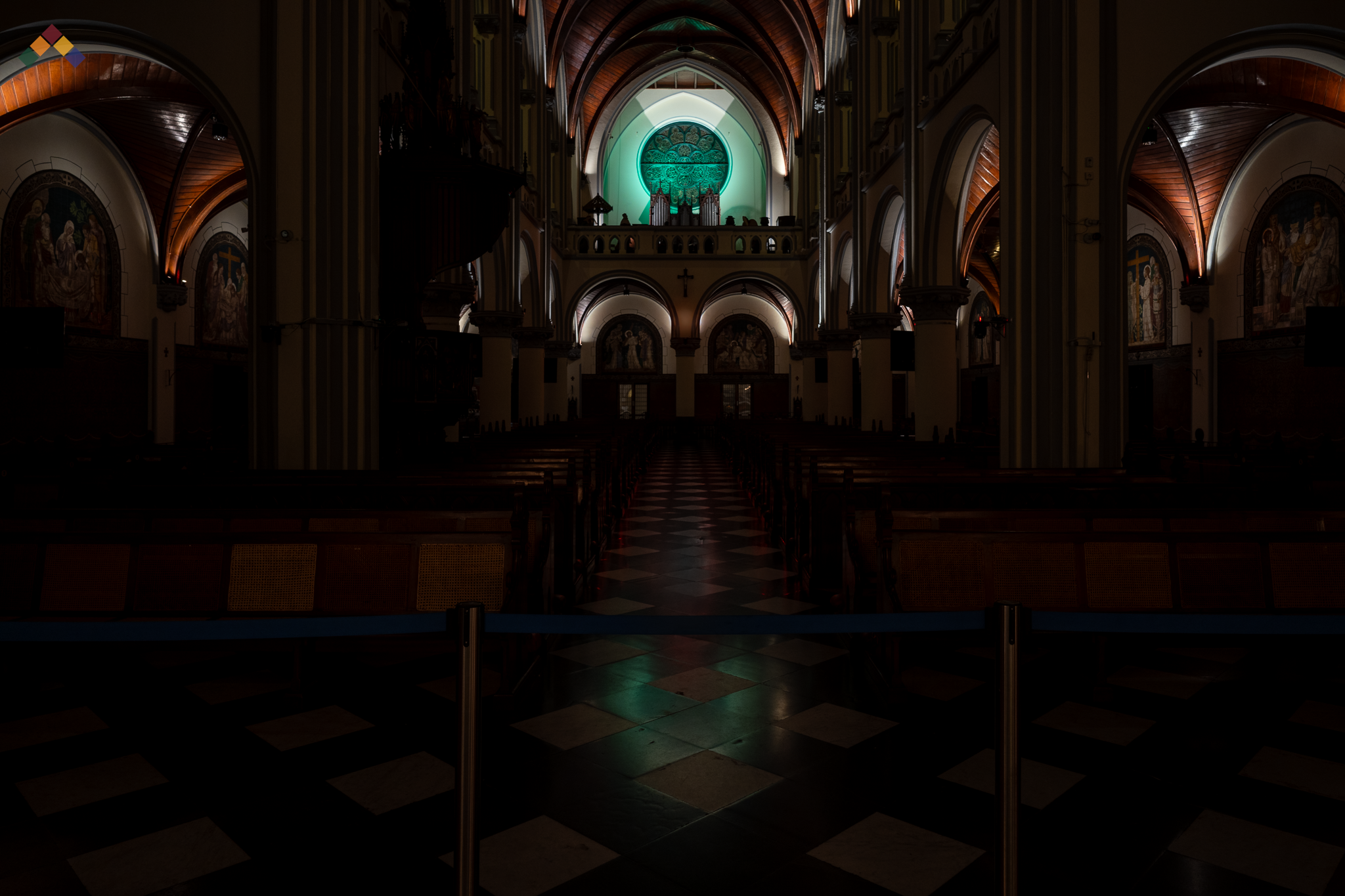
Dramatic Architectural Lighting Scenario
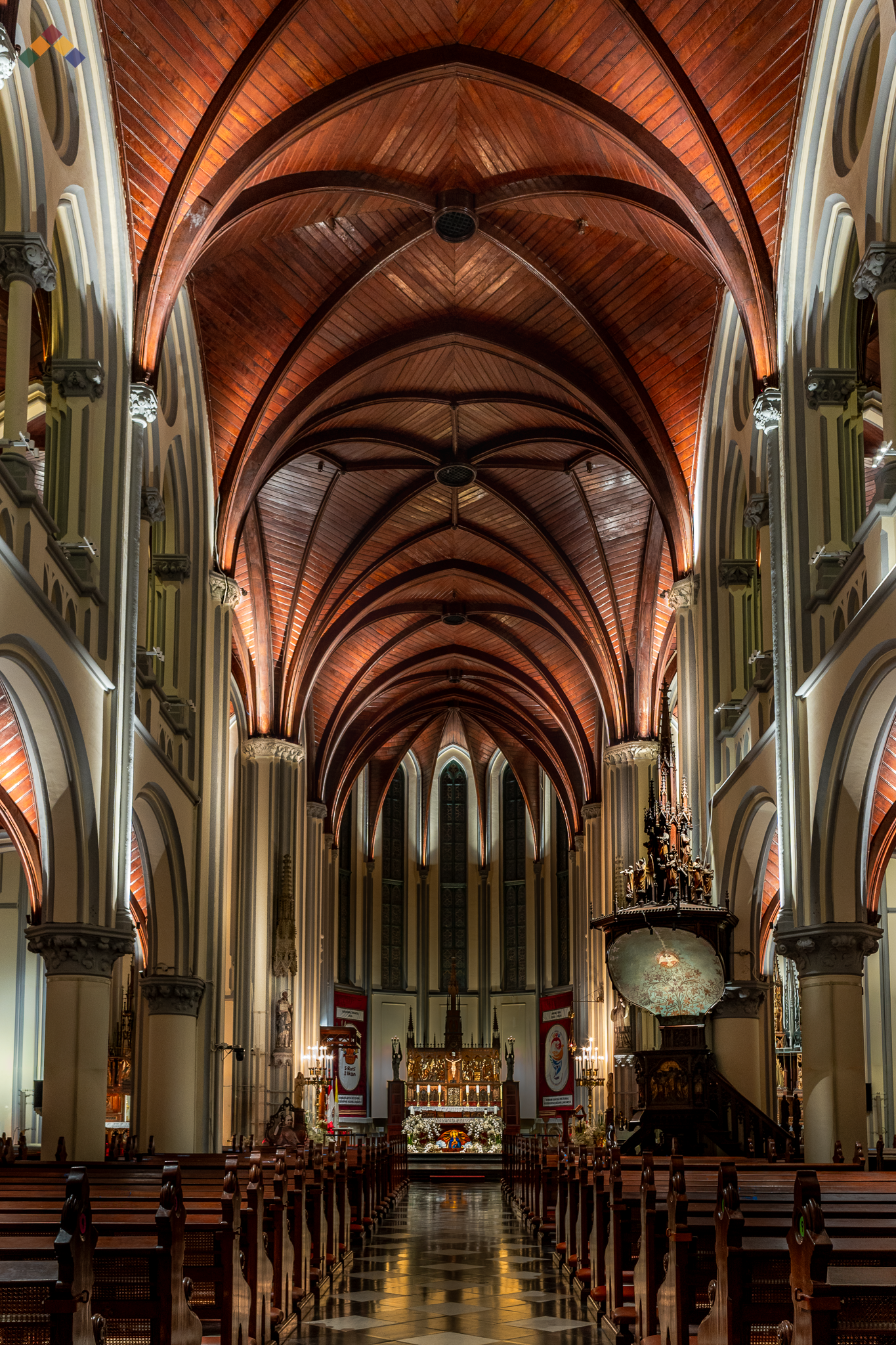
Dramatic Architectural Lighting Scenario
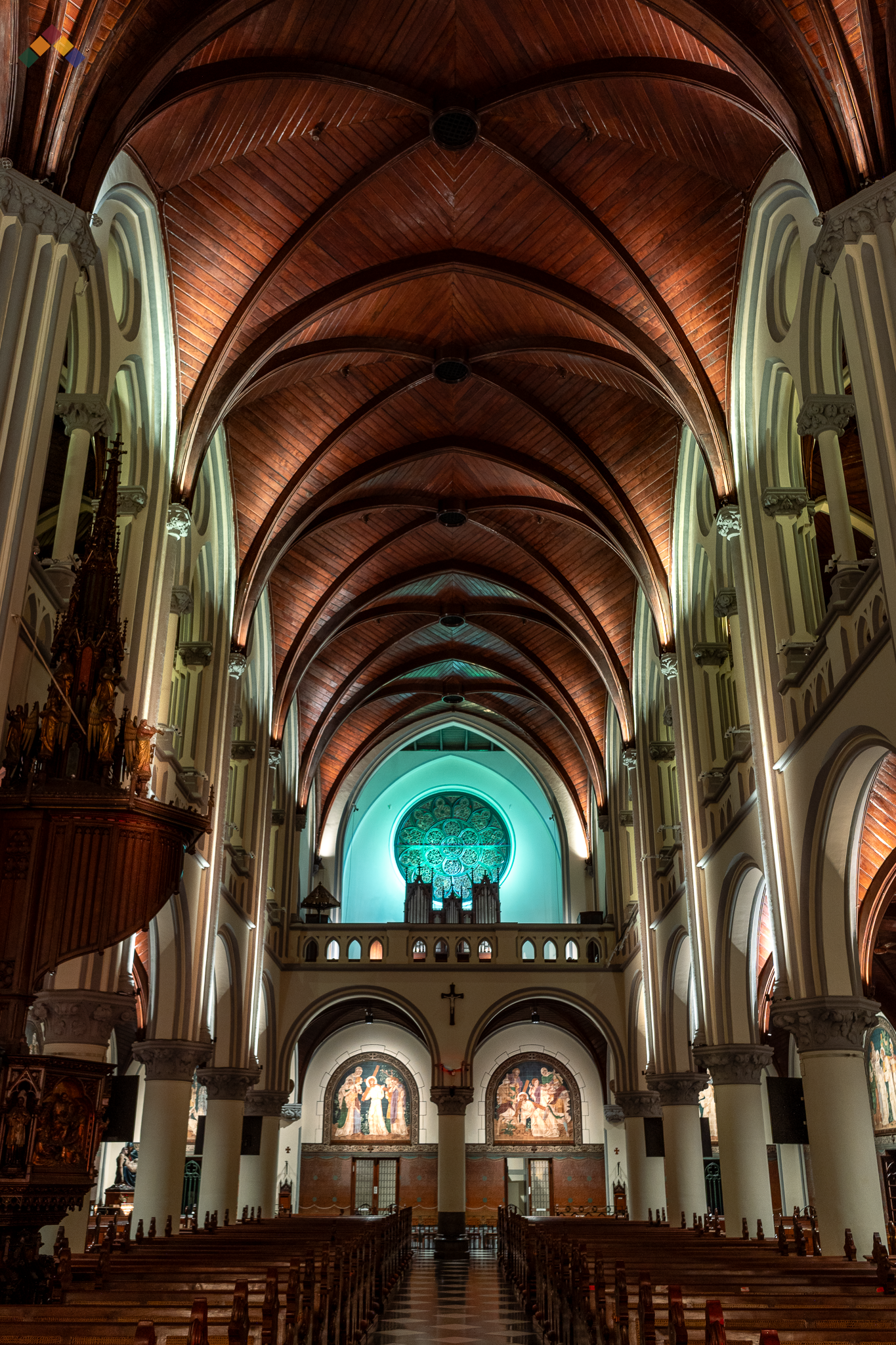
Dramatic Architectural Lighting Scenario
Our Approach
Our approach began by understanding the cathedral as a sacred environment where light functions as both a practical and symbolic element. A series of lighting mock-ups, visual evaluations, and scenario studies were developed to explore how different lighting compositions influence worship experience, spatial perception, and liturgical expression.
The study evaluated:
Visual hierarchy analysis
Liturgical focal hierarchy and scenario development
Architectural element assesment
Heritage conservation review
Light quality and color rendering evaluation
Altar to congregation area contrast ratios studies
Subject to ambient light contrast ratio studies
Emotional and Spiritual atmosphere
Existing electrical infrastructure assessment
Existing lighting studies for reuse
Special attention was given to how light interacts with key liturgical elements such as the altar, tabernacle, crucifix, mural paintings, religious sculptures, and architectural details.
Rather than uniformly illuminating the entire space, the design explored how controlled luminance hierarchy and balanced contrast could guide attention toward the most significant liturgical elements while maintaining a contemplative atmosphere.
Human-Centered Light Perception Strategy
The project adopted a human-centered perceive lighting philosophy that prioritizes how worshippers emotionally, spiritually and visually experience sacred space. The strategy carefully considered how people: See, Focus to Altar, Reflect, Pray, Navigate and Participate in worship.
Research in environmental psychology demonstrates that light influences emotional perception, attention, comfort, and spatial understanding. Within sacred architecture, lighting can contribute significantly to feelings of reverence, contemplation, peace, and spiritual connection.
The Catholic Church celebrates a diverse range of liturgical practices and ceremonies, including the Stations of the Cross, Eucharistic Adoration, the Easter Vigil, and joyful Easter celebrations. Each liturgy carries a distinct spiritual meaning and emotional atmosphere that can be reinforced through carefully designed lighting environments.
Lighting that appropriately supports the liturgical context can enhance emotional engagement, deepen the sense of sacred presence, and strengthen the worshipper's spiritual connection and interaction with God. Rather than serving merely as illumination, light becomes an integral part of the liturgical experience, helping communicate symbolism, focus attention, and shape the emotional character of worship.
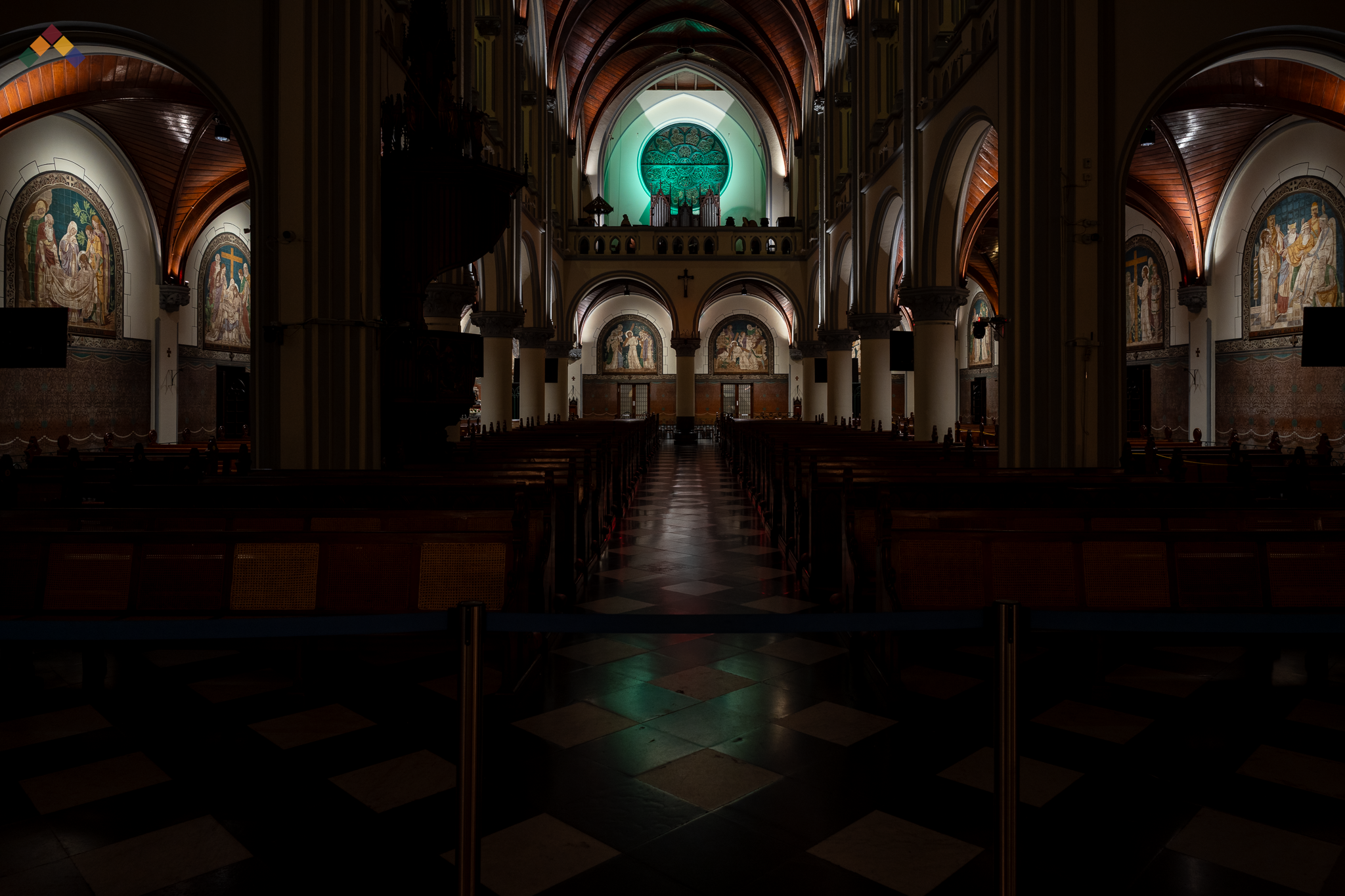
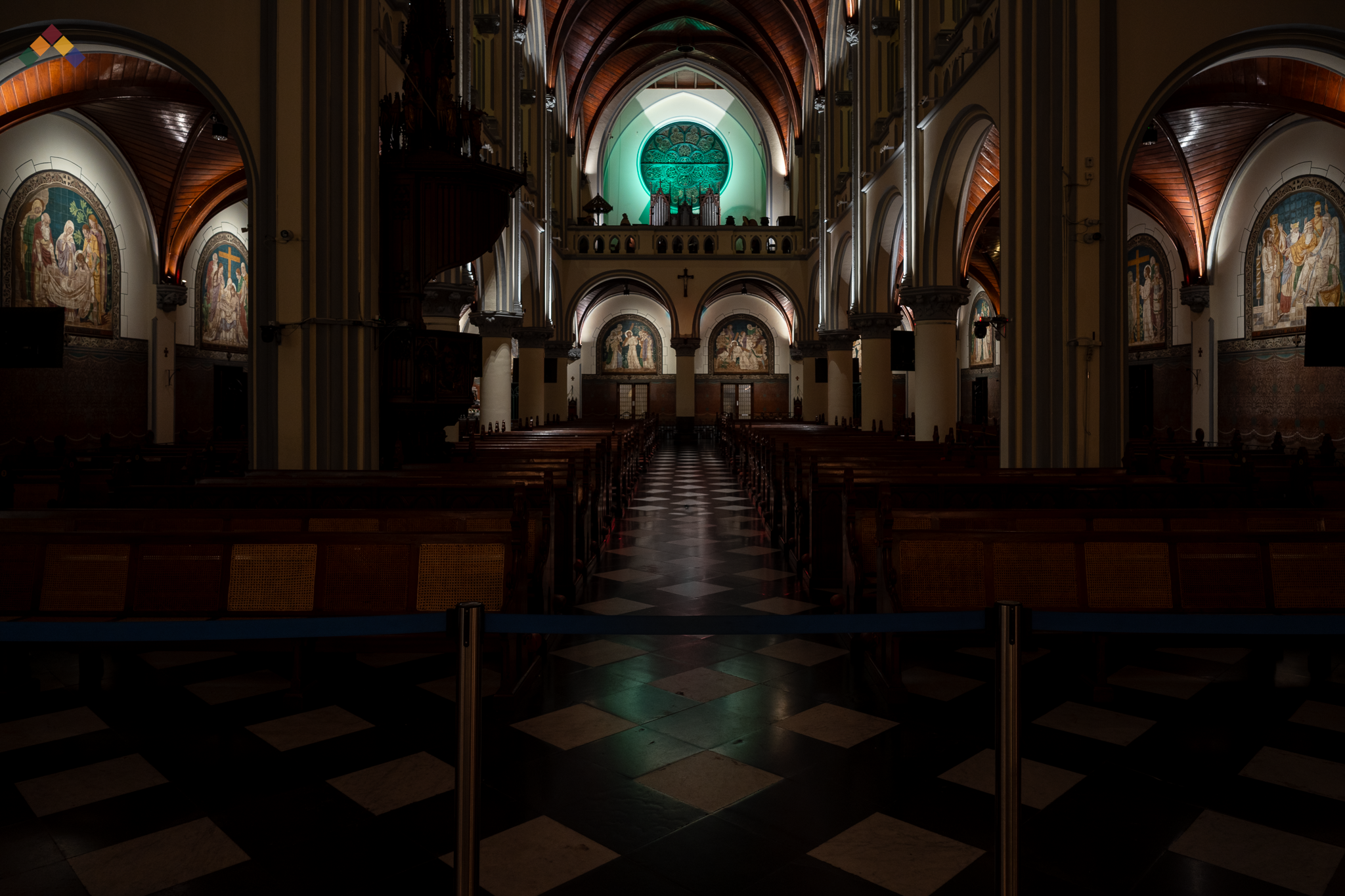
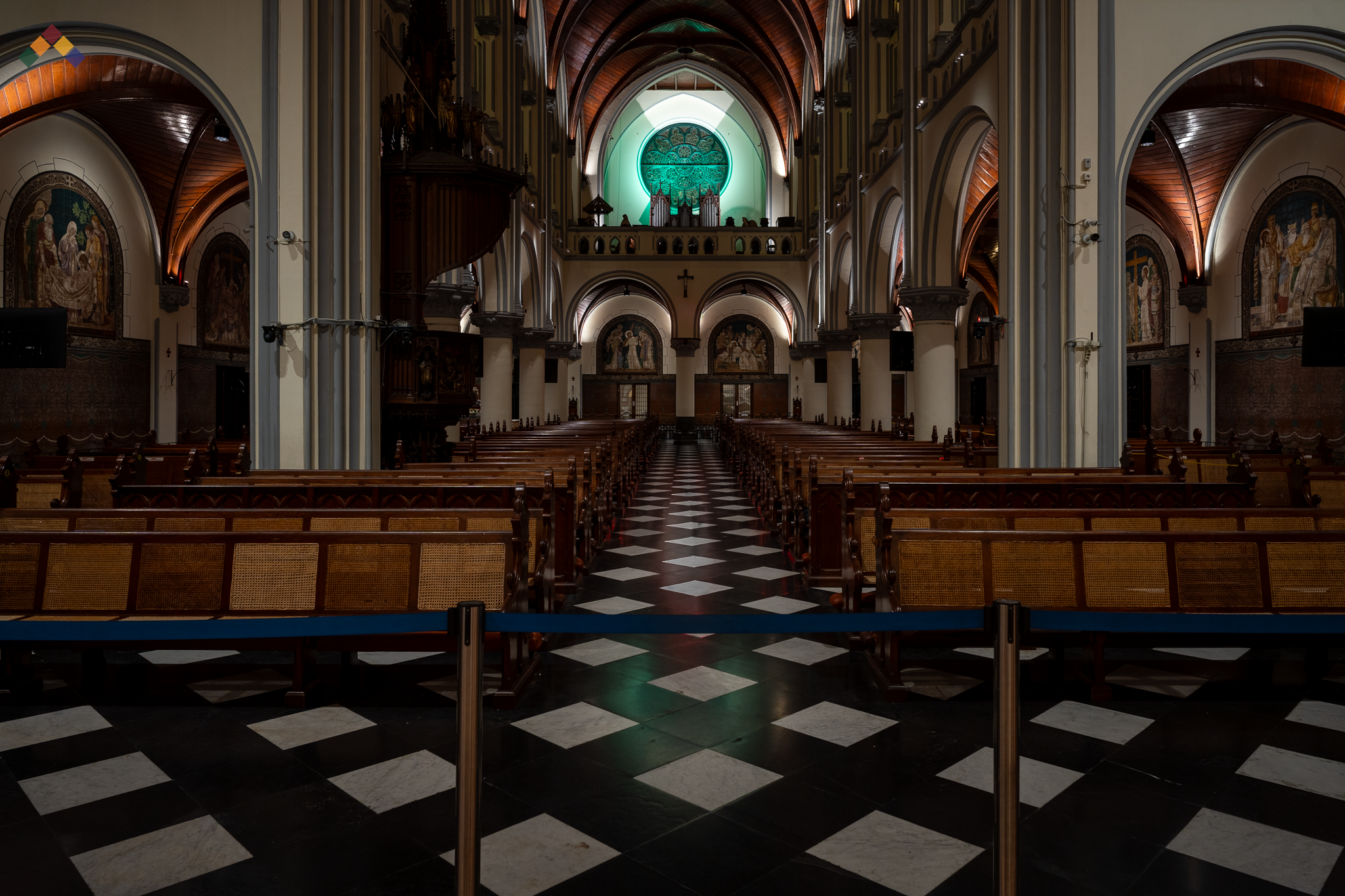
To explore these relationships, a series of eight liturgical lighting scenarios were tested at Jakarta Cathedral on 21 October 2024 using the Casambi lighting control system. The study evaluated how different lighting compositions, brightness levels, focal hierarchies, and atmospheric qualities influenced the perception of sacred space and supported various forms of worship and religious celebrations.
The lighting scenarios were therefore evaluated not only based on technical performance but also on their ability to support:
Visual comfort
Cognitive focus
Emotional engagement
Spiritual experience
Architectural appreciation
Sacred atmosphere
Liturgical symbolism
By carefully controlling brightness, contrast, color rendering, and focal emphasis, the lighting helps create an environment that encourages reflection, participation, and a more meaningful worship experience.
Regular Mass Lighting Scenario
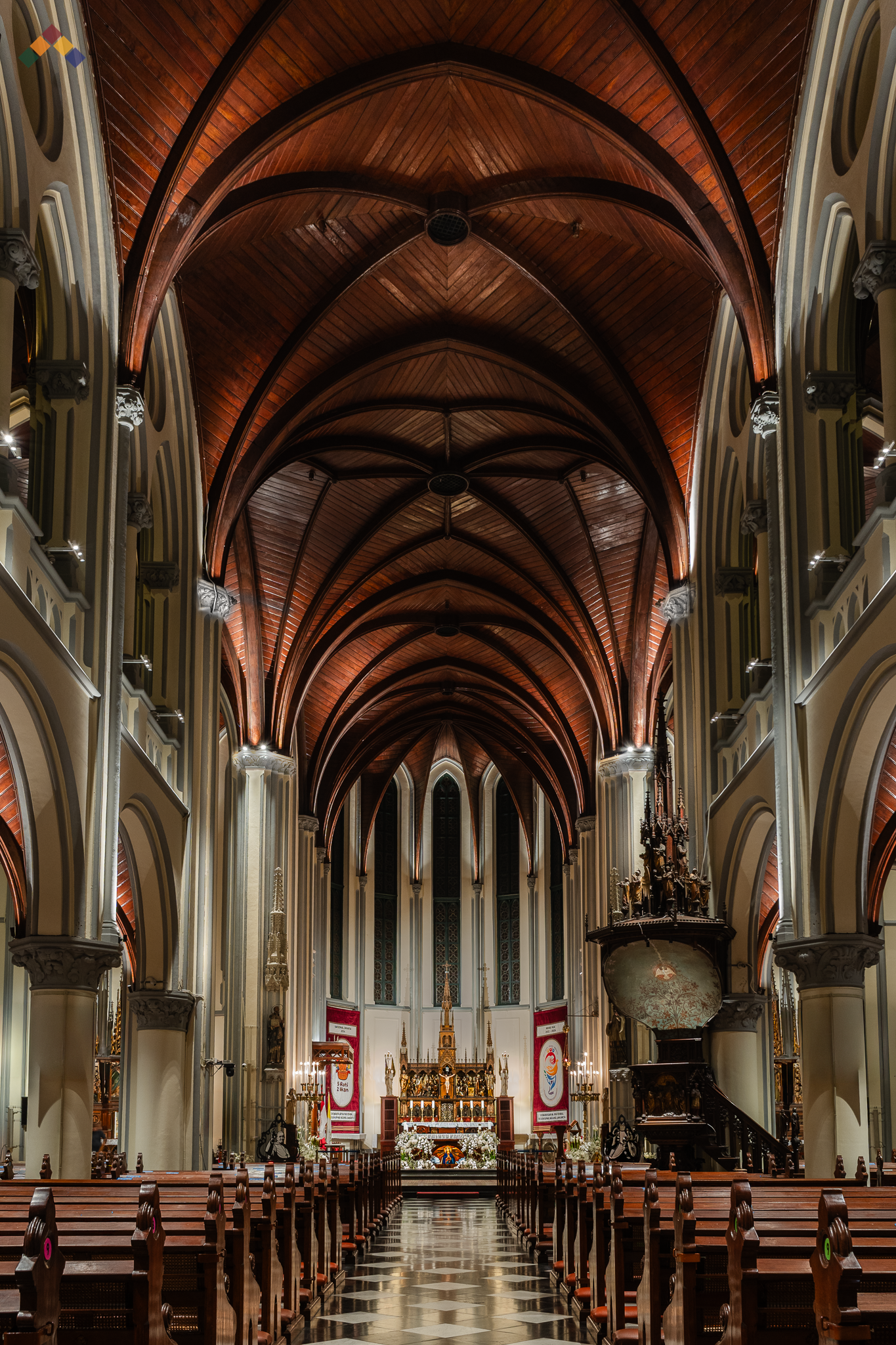
Regular Mass Lighting Scenario
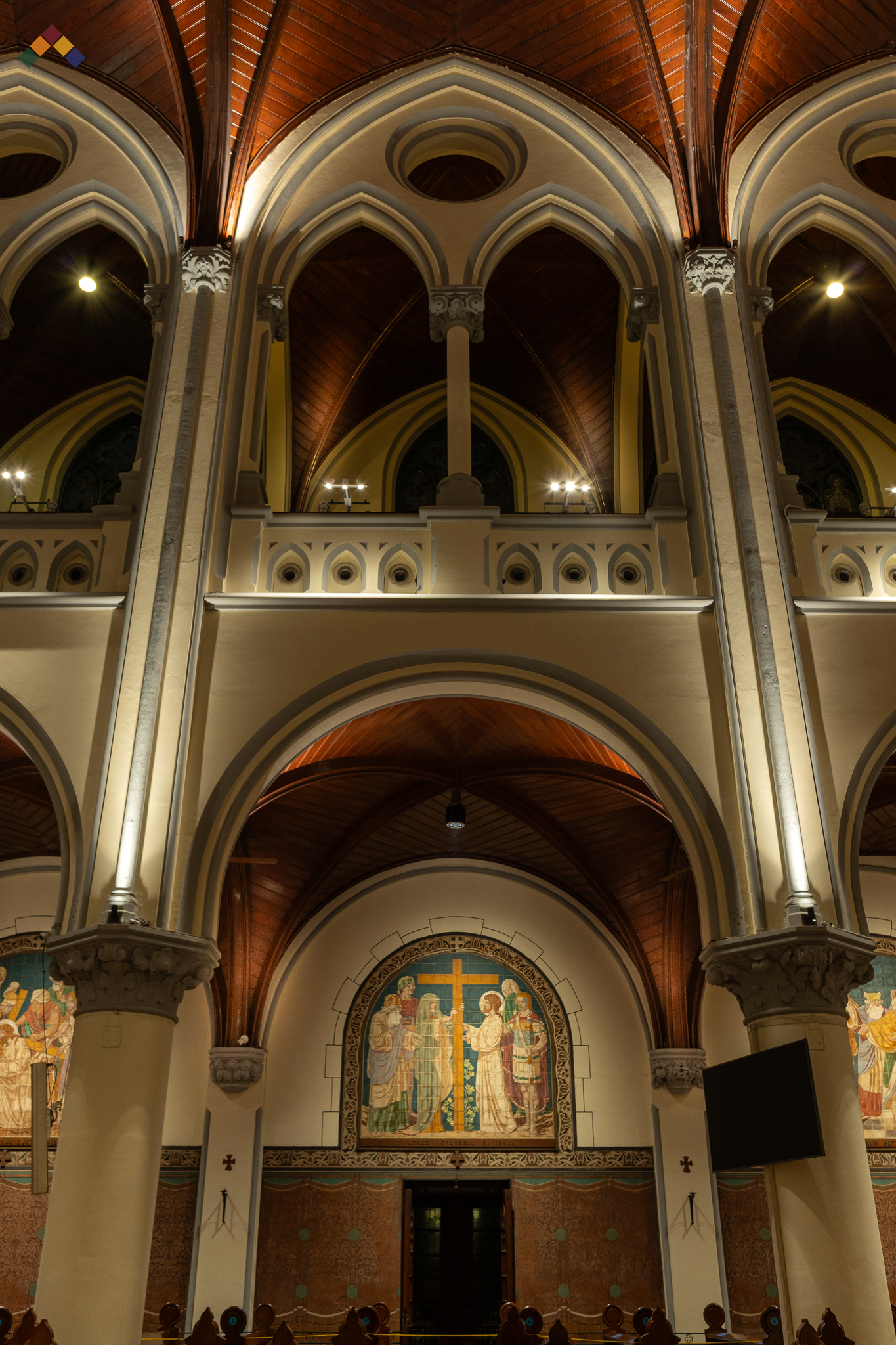
Regular Mass Lighting Scenario
Heritage Conservation and Lighting Integration Strategy
The project required close coordination between architectural heritage conservation, liturgical requirements, lighting technology, and human-centered design principles. The design process included:
Existing Electrical Wiring Assessment to identify aging infrastructure, mitigate failure risks, and reduce potential short-circuit hazards.
Reuse of Existing Lighting Infrastructure to improve sustainability, reduce material waste, and preserve the building's historical integrity.
Lighting Mock-Up Testing and Evaluation to validate visual quality, liturgical atmosphere, and stakeholder expectations before implementation.
Non-Invasive Luminaire Mounting Systems to protect the historic building fabric and comply with heritage conservation principles.
Wireless Lighting Control System Implementation to eliminate the need for new control wiring and minimize physical intervention to the heritage structure.
Integration of New and Existing Lighting Systems to maximize operational flexibility while preserving investment in existing infrastructure.
Adaptive Lighting Scenario Programming to support multiple liturgical celebrations, ceremonial events, and worship experiences.
Energy-Efficient Lighting Upgrades to improve lighting quality while reducing energy consumption and long-term operational costs.
Glare and Light Pollution Management to enhance visual comfort and minimize environmental impact.
Thermal Impact Assessment to ensure lighting fixtures do not introduce excessive heat that could damage sensitive heritage materials.Particular attention was given to ensuring that lighting supports the liturgy while remaining respectful to the cathedral's historic architecture.
These strategies demonstrate how thoughtful lighting design can successfully bridge heritage conservation and modern lighting technology implementation ensuring that Jakarta Cathedral continues to inspire faith, community, and cultural appreciation for generations to come.
Contemplative and Adoration Lighting Scenario
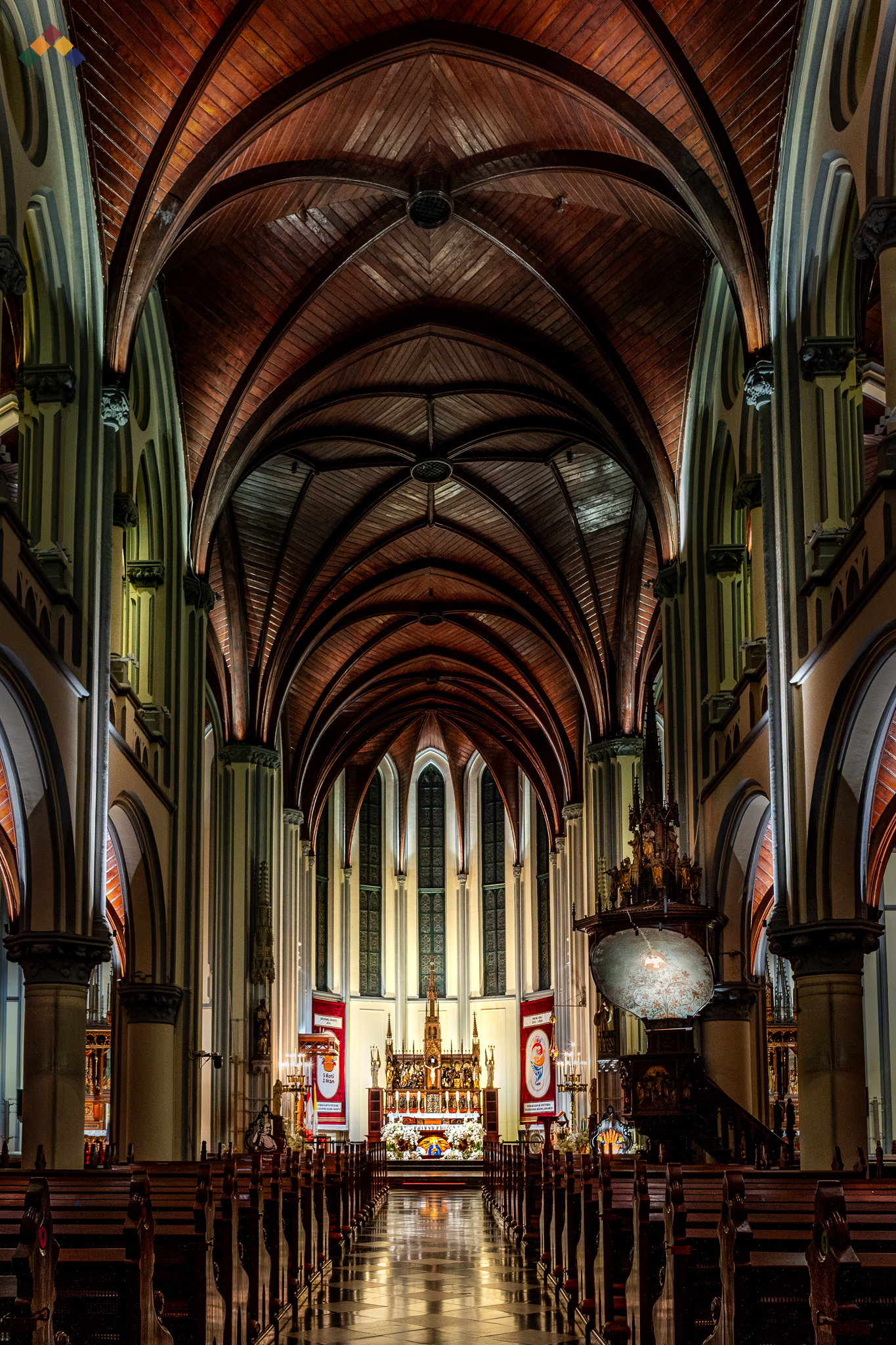
Contemplative and Adoration Lighting Scenario
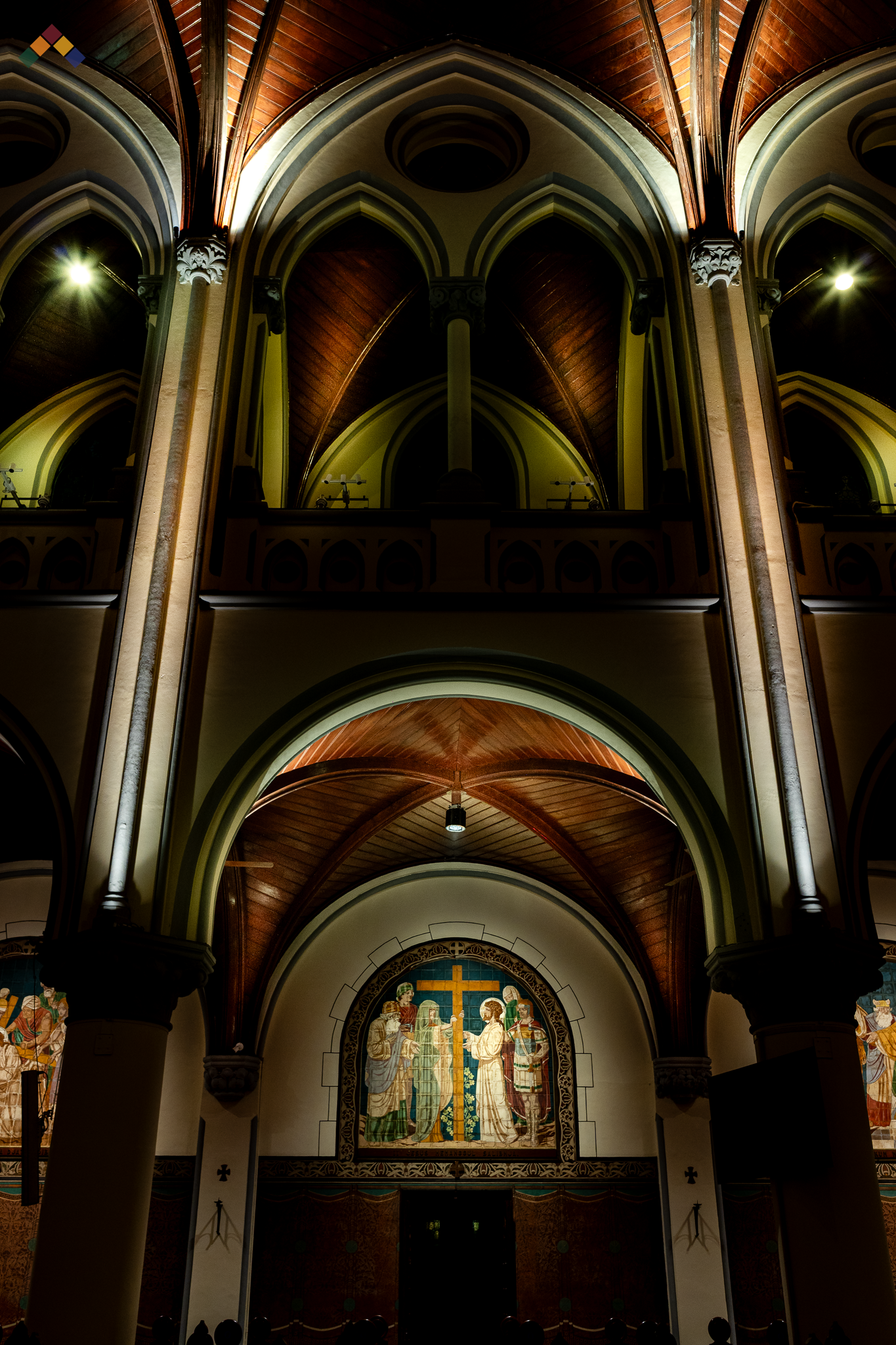
Contemplative and Adoration Lighting Scenario
Outcome
The liturgical lighting scenario testing and commissioning demonstrated how different lighting strategies create distinctly different perceptions of sacred space, emotional and spiritural atmosphere, and worship experience. This case study established a framework for evaluating future lighting interventions based on both technical performance and human-centered outcomes. Key benefits include of this project:
Improved visual hierarchy
Enhanced worship experience
Stronger liturgical focus
Better visual comfort
Reduced glare perception
Greater appreciation of sacred art and architecture
More meaningful spiritual atmosphere
Most importantly, the project demonstrates that successful church lighting is not measured by brightness alone. Instead, effective liturgical lighting helps people connect more deeply with worship, architecture, and the spiritual significance of the space.
Through thoughtful integration of lighting design, heritage conservation, and human-centered principles, Jakarta Cathedral continues its mission of preserving its cultural legacy while enriching the experience of future generations of worshippers and Jakarta tourism.
Conclusion
The liturgical lighting scenario study at Jakarta Cathedral demonstrates that lighting in sacred architecture is far more than a technical requirement for visibility. Thoughtfully designed lighting can shape emotional perception, strengthen spiritual engagement, support liturgical symbolism, and enhance the relationship between worshippers and sacred space.
By carefully balancing liturgical requirements, human-centered experience, architectural heritage, and lighting performance, the project illustrates how light can become an integral part of worship itself. Through different lighting scenarios, the cathedral can create atmospheres that support reflection, prayer, celebration, contemplation, and communal worship while preserving the dignity and historical significance of one of Indonesia's most important religious landmarks.
The study reinforces the belief that successful lighting design is not measured solely by brightness, but by its ability to communicate meaning, evoke emotion, and enrich the human experience within the built environment.
ALTA Integra is a Building Science and Technology consultancy dedicated to creating human-centered environments through evidence-based design. By studying the relationship between light, sound, space, technology, and human emotion, we help transform buildings into places that inspire wellbeing, strengthen identity, emotional support space, and dedicated for a more sustainable future.
Whether you are designing a place of worship, heritage building, hospitality destination, workplace, educational facility, or public space, our lighting consultancy services help translate design vision into meaningful visual, emotional, and environmental performance.